
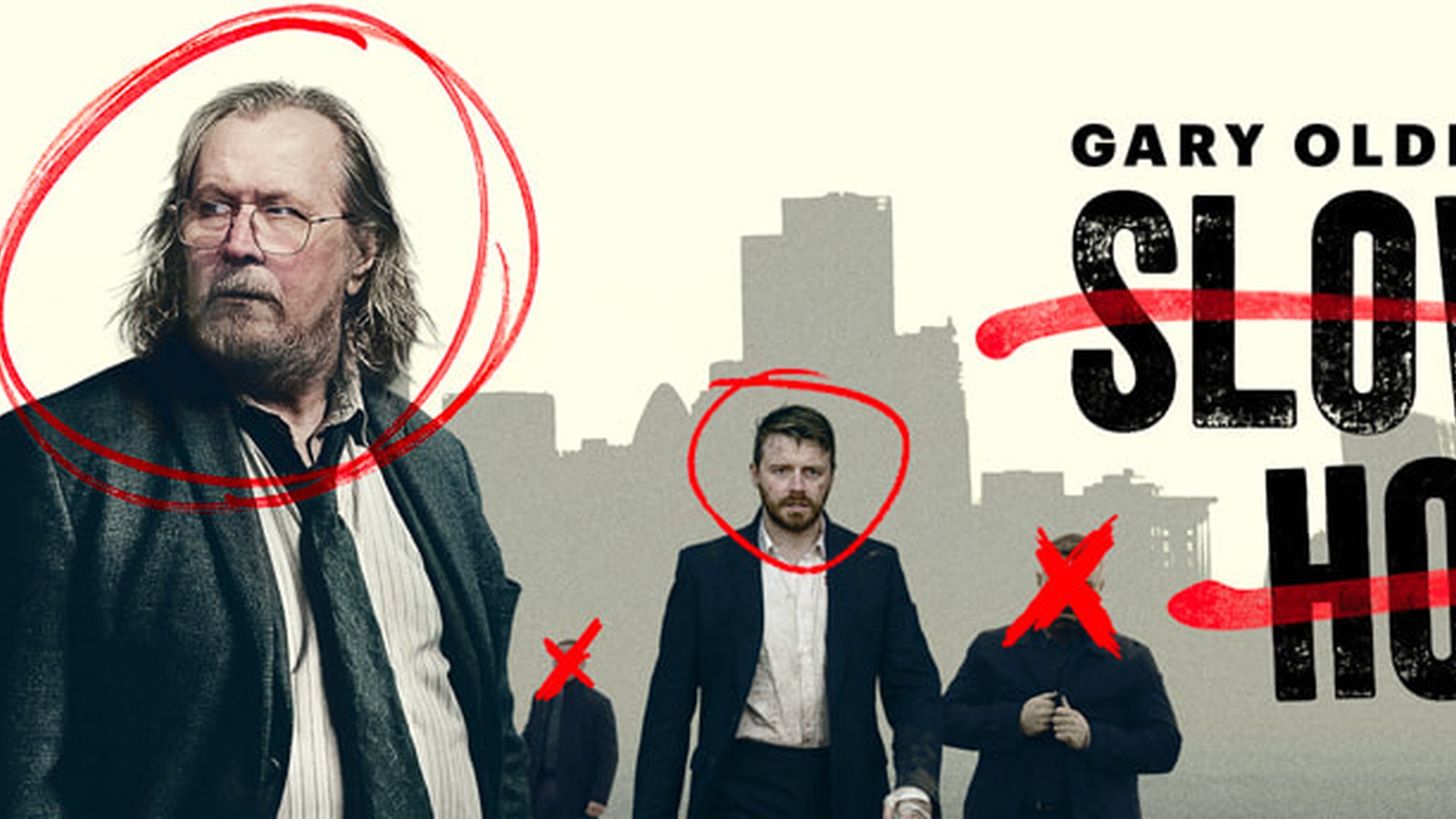
Apple TV has followed a weekly Wednesday schedule for the six-episode season, placing the penultimate chapter one week after Episode 4.
Episode 4 leaves Lamb with information from the stolen files while River, Sid and Coe’s flight from the hit squad ends at terrible cost. This is the key to the article’s central angle, because it connects the immediate event to the larger story rather than treating it as an isolated twist.
The episode makes the central conflict personal
The new evidence changes the chase because Harkness can no longer operate as an unexplained threat at the edge of the story. The result is a choice with consequences for more than one character, and the episode gives that pressure room to build.
Don’t miss the best of The Mac Observer
Set us as a preferred source and our Apple reporting ranks higher in your Google Search results and Discover feed — one tap, no account changes.
Lamb now has leverage, but using it may expose the surviving Slow Horses and the institutional interests protecting the operation. That detail matters because it changes how the audience should read the scenes that follow and keeps the conflict grounded in what has actually been shown.
Harkness has always been most dangerous when he can make other people’s objectives serve his own. It also prevents the story from reducing a complicated decision to a convenient piece of plot machinery.
Why the reveal changes what comes next
Episode 5 should test whether his employer truly controlled him or merely believed it did. The show can now develop that consequence directly instead of returning to the same unanswered setup.
The aftermath of Coe’s death also gives the next hour an emotional burden that a simple mission briefing cannot erase. In practical terms, this raises the cost of the next decision and gives the supporting characters a reason to challenge the person at the center of the story.
River and Sid have to process survival while Lamb converts loss into pressure on the people behind the attack. The contrast is important: an answer can close one question while opening a more difficult emotional or strategic problem.
The story avoids an easy resolution
As the penultimate episode, this chapter needs to move the conspiracy into the open while preserving a final confrontation. That approach preserves uncertainty without pretending confirmed information is still a mystery.
The key question is not only who ordered the cleanup, but what that person still needs Harkness to finish. It is a more useful ending point than a broad prediction because it identifies the exact choice the next chapter must confront.
The distinction is worth keeping clear. Confirmed events explain the current story, while any forecast must remain tied to the choices and evidence already on screen. That boundary leaves room for surprise without asking readers to accept speculation as fact.
What did you make of this development, and what should the story address next? Share your view in the comments.



Discussion