

Apple has launched a new iPhone app to study how people use artificial intelligence for health-related questions. Announced on November 15, the Apple Health AI Usage Study is being conducted with medical AI company OpenEvidence to understand whether AI-generated answers can help people make informed health decisions.
According to Apple’s official announcement, the research will examine user trust, response accuracy, comprehension, and how AI influences everyday healthcare decisions.
How Apple’s New Health AI App Works
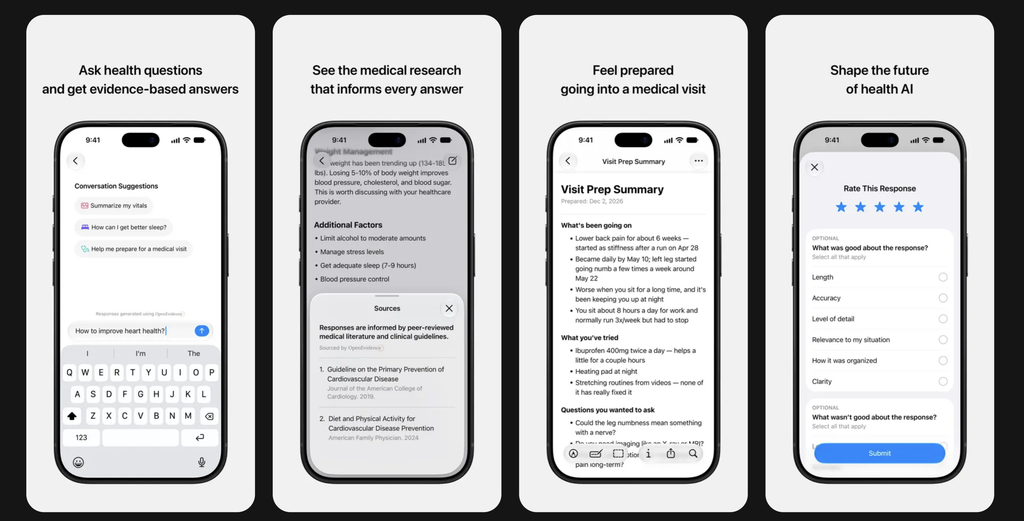
The app allows participants to ask medical questions and receive conversational answers supported by peer-reviewed research. OpenEvidence draws information from established publications, including The New England Journal of Medicine, JAMA, and Nature.
Don’t miss the best of The Mac Observer
Set us as a preferred source and our Apple reporting ranks higher in your Google Search results and Discover feed — one tap, no account changes.
Users can also voluntarily connect HealthKit data, including sleep patterns, resting heart rate, physical activity, and laboratory results, to receive more relevant explanations.
Apple will examine whether these responses help users understand medical information and prepare for appointments with healthcare professionals.
The research comes as Apple continues developing its redesigned Health app with Apple Intelligence features. However, the company has not confirmed whether the study’s technology will eventually become part of Siri or the Health app.
Privacy, Eligibility, and Availability
Apple says participants control what health information they share, while collected study data will not be used to train AI models. The app also includes safeguards that direct users toward medical professionals when potentially concerning questions arise.
The study is available to up to 200,000 US participants aged 21 or older. Enrollment requires an Apple Intelligence-compatible iPhone, starting with the iPhone 15 Pro, running iOS 26 or later.
Eligible users can download the dedicated research app and choose whether to enroll. Apple emphasizes that the service cannot diagnose medical conditions or replace professional medical advice.



Discussion