
John Martellaro joins host Kelly Guimont to discuss the “channels” feature of Apple TV+, and of course, what he’s been watching lately.

VSCO Releases Set of Three Infrared Photography Presets
VSCO announced on Tuesday the release of three presets designed to emulate infrared photography.
The first filter is built for landscape images to ensure that plants whose color so often spills past green into yellow still turn to red and pink with the filter. However, people may turn odd colors in some situations with this look, and for that reason, we’ve created a second filter that is similar to the first but with more consideration for skin tones remaining natural colors.

‘Best days’ For Both Mac and iPad Still to Come, says Analyst
The “best days” for both the Mac and iPad may still be ahead. That’s according to a new analysis from Loup Ventures, seen by AppleInsider.
Loup Ventures cofounder and analyst Gene Munster recently analyzed Mac and iPad lead times, or the expected shipment date after an order is placed. Spot checks of estimated order delivery suggest that Apple was correct in its guidance that demand would be supply gated, and not demand-gated. Although the extended lead times are attributable to ongoing chip supply constraints, Munster sees them as a positive indicator of iPad and Mac demand. The analyst believes that both lineups are continuing to see tailwinds from a work-from-home and remote education environment, despite the lifting of stay-at-home orders and other restrictions in many regions.

Ad-Free, Private Search Engine 'Neeva' Launches for $4.95 per Month
Neeva is the new search engine on the block. It launches today and promises private, ad-free search with a subscription of US$4.95 per month.
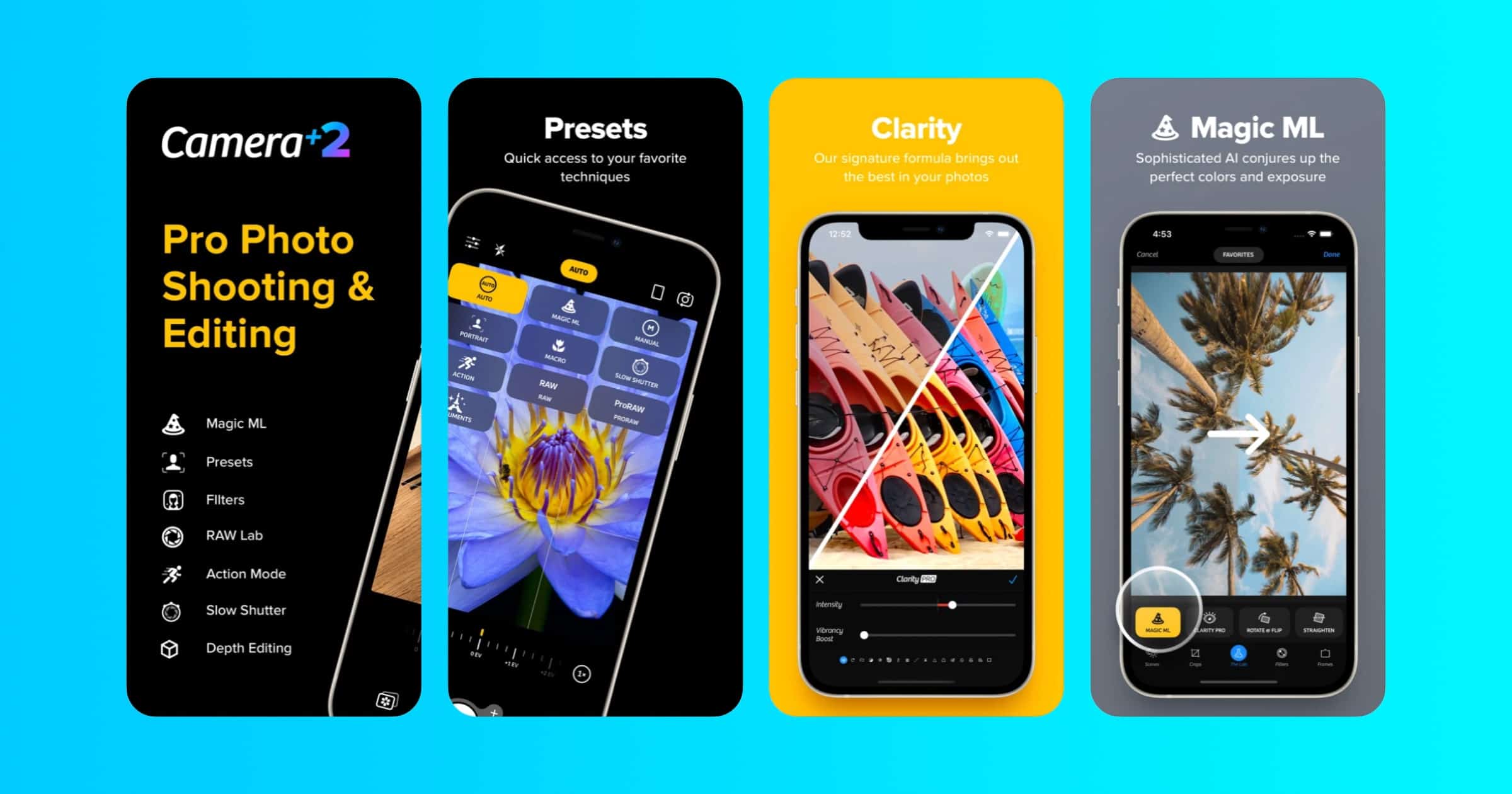
Camera+ 2 is Currently 50% Off at $3.99
LateNiteSoft announced that its Camera+ 2 app is available for 50% this week for US$3.99. Here are some of the features: The Lab contains many photographic tools that allow you to fine-tune the exposure, boost the shadows, sharpen your photo, and adjust curves among many others. Dozens of built-in filters help you get that final look. RAW mode provides maximum flexibility for editing, by saving the exact image captured by the sensor at its full precision. The RAW Editor includes tools such as Curves and a White Balance picker. Camera+ 2 adapts to your style and technical savvy. If you like the system camera, select the Auto preset to use a simple, clear interface that will let you concentrate on your shot.

LifeProof Introduces its NEXT iPhone Case With MagSafe
LifeProof has announced its latest protective case for iPhones. It’s called NËXT and it’s available with built-in MagSafe for the iPhone 12.

Olympian Amy Van Dyken Highlights Apple Watch Accessibility Features
Six-time Olympic swimming gold medalist Amy Van Dyken discussed how Apple Watch accesibility features help facilitate her competitive nature.

Coinbase Offers 4% APY When You Lend USD Coin
On Tuesday, Coinbase announced that customers can sign up for a waiting list to start earning 4% APY interest on USD Coin.

Apple Releases Apple Watch International Collection Bands and Faces
With the Olympics approaching, Apple released new Apple Watch Sport Loop bands and faces so people can share their support for their country.

Are You Actually Going to Pay for Apple TV+? — Media+
Terrence Gaines from the snobOS podcast joins host Charlotte Henry to discuss the offer of a year of free Apple TV+ coming to an end. Are people actually going to pay for the streaming service?