New Public Sculpture Coming to Apple Park Visitor’s Center

There’s a new public sculpture coming to the Apple Park Visitor’s Center. It is called ‘Mirage’ and will be created by Katie Paterson and Zeller Moye. Ms. Paterson described the work, which will be installed next year, in a blog post:

Mirage blends art, architecture, science and nature. It will have strong material presence, connecting to the elements. Social and connective, it will create an unexpected gathering place for visitors and staff. The glass columns are glimpsed through the trees from the Visitor Center, the highway and beyond, generating a sense of discovery.

[Image credit: Katie Paterson and Zeller & Moye]

Researchers Hid Malware Inside an AI’s Brain

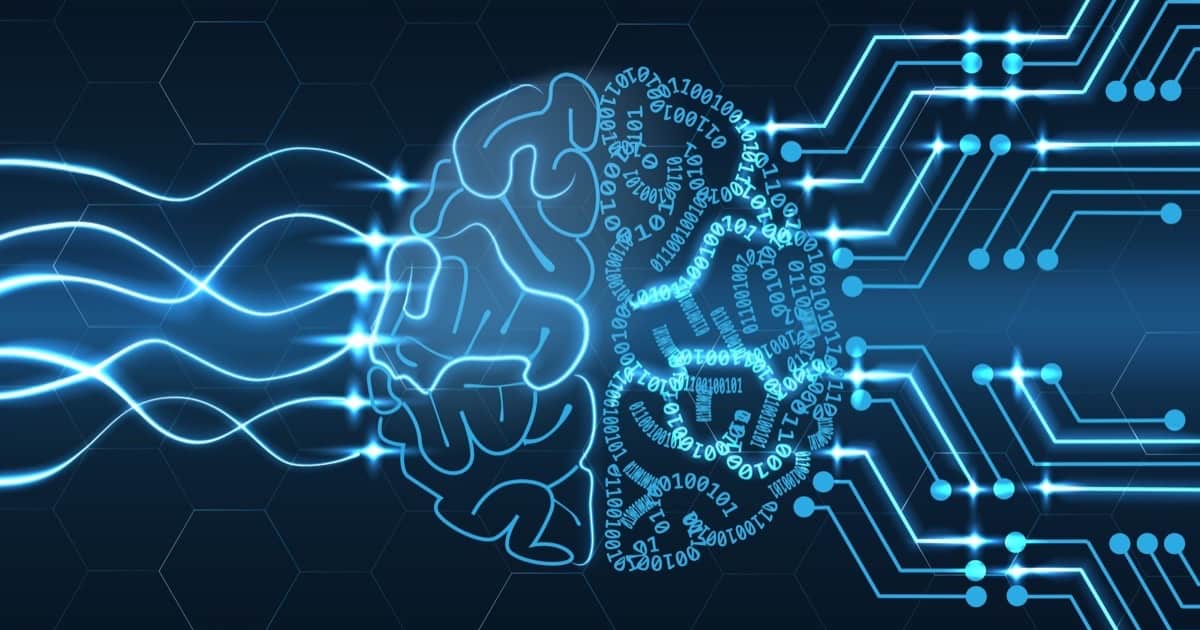
This is straight out of a sci-fi novel. Researchers created a proof-of-concept technique that let them hide malware inside of an AI’s neurons to avoid detection.

According to the paper, in this approach the malware is “disassembled” when embedded into the network’s neurons, and assembled into functioning malware by a malicious receiver program that can also be used to download the poisoned model via an update. The malware can still be stopped if the target device verifies the model before launching it, according to the paper. It can also be detected using “traditional methods” like static and dynamic analysis.

Patent Suggests AR Functions Coming to iPhone Measure App

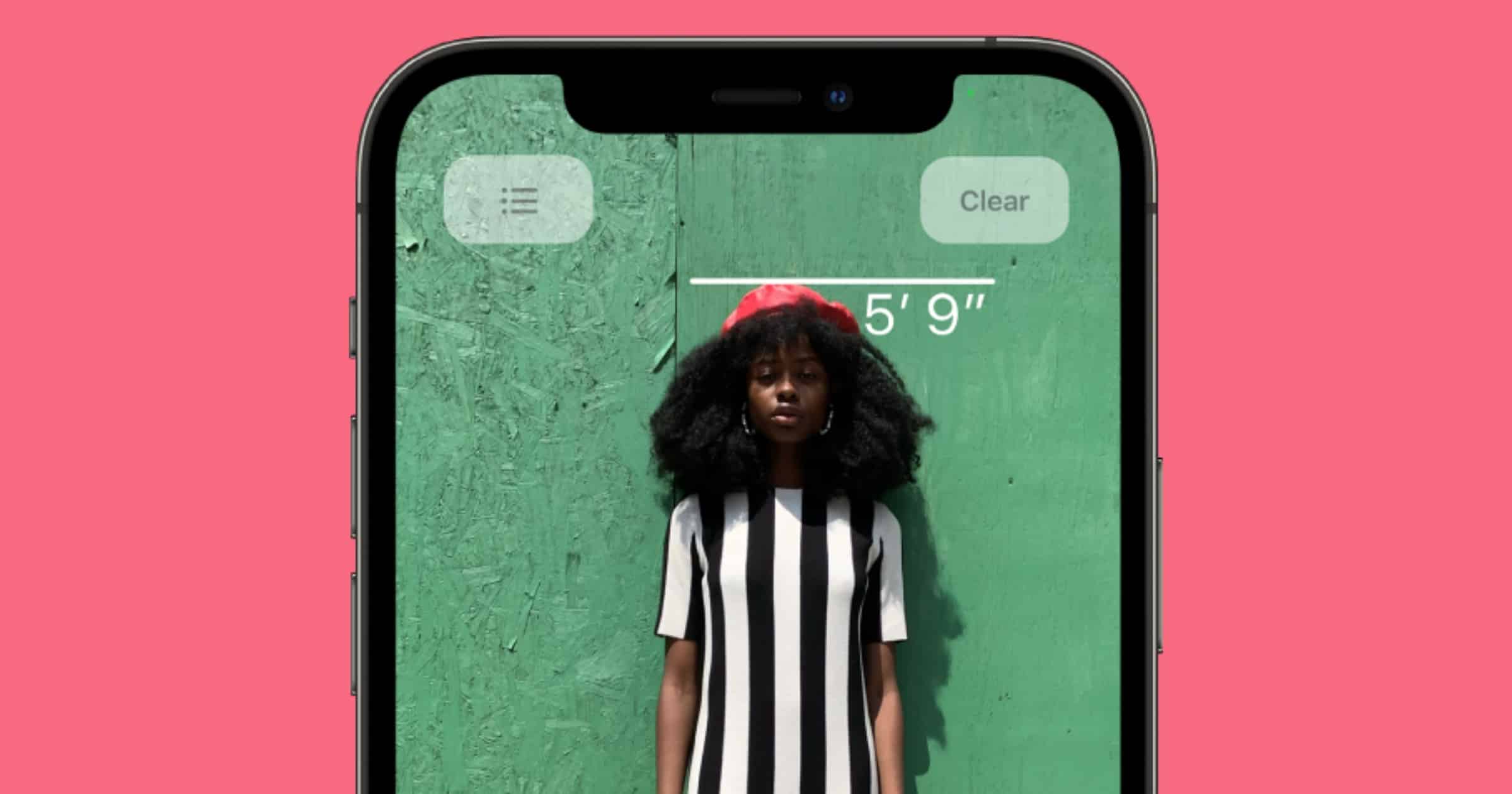
Apple is looking to incorporate AR technology into the iPhone’s Measure app in a bid to improve accuracy and allow automatic annotation of the object you’re interested in. That’s according to a new patent, seen by AppleInsider.

In future, pointing your iPhone camera at an object could automatically get you an on-screen notification of its measurements. It will do it through AR, and it will do it in part through Machine Learning on different types of objects. “Automatic measurements based on object classification,” is a newly-revealed patent application. It’s concerned with how to determine which object you’re interested in, then how measure it accurately. The patent application is particularly broad, including “devices, systems, and methods that obtain a three-dimensional (3D) representation of a physical environment.” The detail generated is based on a whole series of different sensors and measurements to do with “depth data and light intensity image data.”

Catholic Publication Used Location Data Against a Priest

Catholic media publication The Pillar used location data from gay dating app Grindr to track the movements of a priest, then publicly outed him for “improper behavior.”

It wasn’t clear who had collected the information about Burrill. USCCB spokespeople declined to answer questions Tuesday about what it knew about the information-gathering and what its leadership feels about it, except to say the USCCB wasn’t involved. They also declined to comment on whether they knew if Burrill’s alleged actions were tracked on a private or church-owned phone.

This is a good example of how our data can be used against us, and not just by advertisers.