
The Apple Card Pay Monthly plan for iPhones is live, meaning users can purchase a new device, interest free, and pay for it over 24 months.

VSCO Acquires Rylo, a Company Founded by Former iPhoto Engineers
VSCO recently acquired Rylo, a company founded by two former Apple engineers who worked on iPhoto for iOS.

Apple Sues Ex-Employee Launching New Chip Venture
Apple is suing a former employee claiming he broke his employment agreement when he launched his own firm and hired former colleagues.

Get 6% Cash Back With Apple Card Through December 31
Apple is giving customers a special deal. Through December 31 you can get 6% cash back on Apple purchases, instead of the usual 3%.

Google Wants COPPA to Change so it can Keep Collecting Kids’ Data
The Federal Trade Commission is considering a revamp of the Children’s Online Privacy Protection Act (COPPA). Google wants to help them change the rules, and asked the agency to eliminate rules that categorizes anyone watching kids content online as actual kids.
In September, Google agreed to pay US$170 million to the FTC to resolve claims that YouTube violated COPPA by serving targeted advertisements to children under 13…After the FTC settlement, YouTube told creators that they would have to identify when videos are aimed at children under 13. When that happens, YouTube now turns off ads that rely on web browsing behavior and other targeting data, which earn more for YouTube and creators.

TMO UK Associate Editor Charlotte Henry (#3) - TMO Background Mode Interview
Charlotte Henry is a London-based technical journalist. A self described media junkie, she writes about Apple – and now for the Mac Observer as well as our UK Associate Editor. She has also written for City A.M. (London’s daily business tabloid,) Computer Business Review, the Independent on Sunday and CapX. Her new book is: Not Buying It.
In this special holiday edition of BGM, Charlotte and I chat about our favorite Christmas movies and what makes them so great for us. There are also some honorable mentions. We finish with a diagnosis of Apple TV+ The Morning Show.

When Your Mac Sleeps Too Deeply – Mac Geek Gab 792
Sleeping computers are good, until they don’t wake up. Thankfully, John and Dave are here each week to answer your questions, including this one. But that’s not all! Listen for answers to questions about Apple Watch hourly chimes, registering Apple devices, and tips on using the camera adapter between two iPhones, opening windows in new tabs, and more. Press play and enjoy learning at least five new things on this week’s episode of Mac Geek Gab.

Yubico Authenticator iOS App Now Supports NFC
While Yubico has a security key that plugs into your iPhone via Lightning, the app also supports NFC YubiKeys now.
Instead of storing the time-based one-time passcodes on a mobile phone or computer, Yubico Authenticator generates and stores one-time codes on the YubiKey. A user must present their physical key in order to receive the code for login. This not only eliminates security vulnerabilities associated with a multi-purpose computing device, but also offers an added layer of convenience for users that work between various machines.
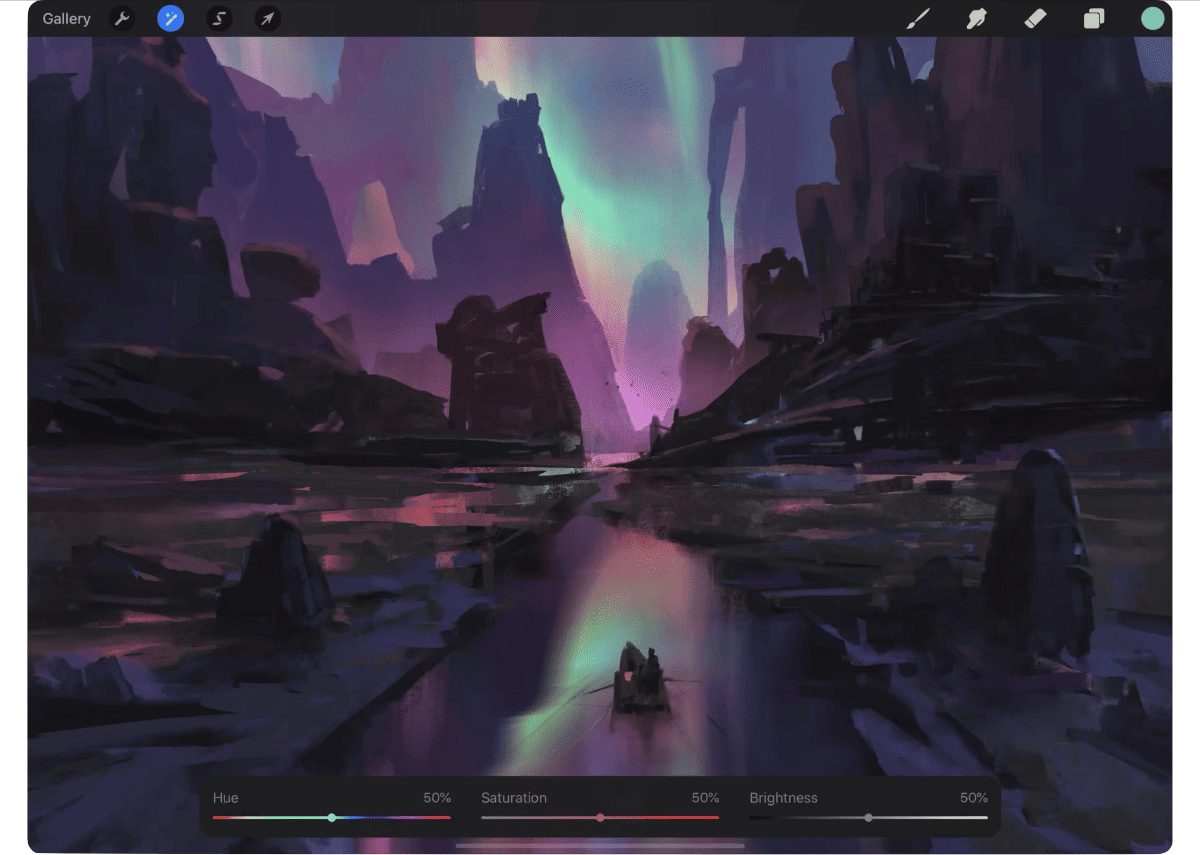
Massive Procreate 5 Update Brings a Ton of Features
Procreate is one of the most popular drawing apps on iOS, and it got a bunch of new features today with Procreate 5. Here are just some of them: Animation Assist helps you create rich illustrative animations, animatics and looping GIFs to share with others. Brush Studio lets you create your own brush has never been easier with the new seamless textures generator. An expanded Drawing Pad sets you free to experiment. Save a reset point at any time and keep on refining. You can also import ABR Photoshop brushes. The new Valkyrie engine gives artists the most flexible and versatile painting system on iPad. If you want to make a glazed brush that wet mixes, has color dynamics, and also has wet edges with burnt edges? You can. And all with Procreate’s trademark performance. App Store: US$9.99 (Offers In-App Purchases)

Swiss Company Launches Apple TV Remote Alternative
Swiss company Salt has launched an Apple TV remote alternative with more buttons and less touch pad.
Thanks to Apple’s input, the alternative remote doesn’t require any pairing with Apple TV and works out of the box. It includes directional arrows in place of the Siri Remote’s glass Touch surface, a power button in addition to a Menu button, along with separate volume and channel rockers and traditional media playback buttons.
Supposedly Apple even worked with Salt to create this.