

Apple released the iPhone 15 in late 2023 as a flagship device. By early 2026, newer models have taken the spotlight, including the iPhone 16 and iPhone 17. These newer handsets offer faster chips and more advanced features. That shift has pushed the iPhone 15’s price down in many markets, including the US, where it’s available for around $699 for a new unit as of 2026.
Price drops matter a lot when judging older phones. A lower price makes older models more attractive. People who skipped the iPhone 15 at launch are now considering it because the cost has fallen. Early 2026 sales also show steep discounts in places like India, though US pricing remains a reliable reference.
Here’s a detailed look at key factors you should consider before you buy.
Don’t miss the best of The Mac Observer
Set us as a preferred source and our Apple reporting ranks higher in your Google Search results and Discover feed — one tap, no account changes.
What You Get With the iPhone 15
Technical Specifications
Below are the main specs of the iPhone 15:
- Display: 6.1-inch Super Retina XDR OLED, 1179 x 2556 pixels, 60 Hz refresh rate.
- Chipset: Apple A16 Bionic.
- Operating System: Updated to iOS 26.2 in 2026.
- Memory: 6 GB RAM.
- Storage Options: 128 GB, 256 GB, or 512 GB.
- Rear Cameras:
- 48 MP main sensor (wide)
- 12 MP ultrawide sensor
- Front Camera: 12 MP.
- Battery: ~3349 mAh with MagSafe and Qi2 wireless charging plus fast charge support.
- Connectivity: USB-C, 5G support.
This combination still holds up in everyday use three years after launch.
Design and Build
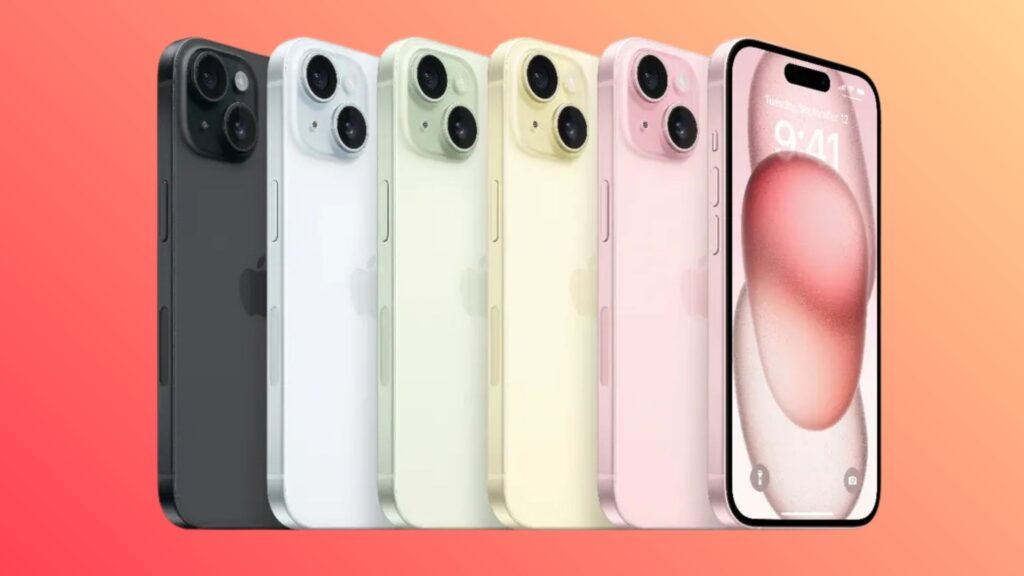
The iPhone 15’s design remains modern in 2026. It has a glass and aluminium body that feels sturdy and premium. The device carries an IP68 rating for dust and water resistance. Both front and back use Ceramic Shield glass for added toughness.
Dynamic Island, Apple’s interactive status feature, is part of the design. USB-C replaced the old Lightning port, making connectivity more universal.
The design won’t feel outdated when you compare it to recent phones. Its size and finish still match current standards.
Performance and Software
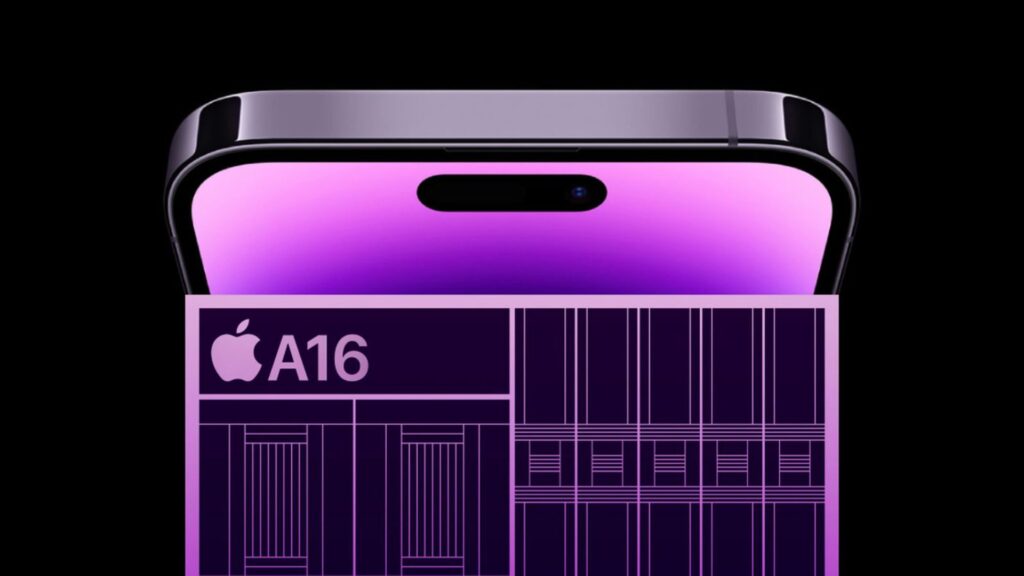
The A16 Bionic chip is fast even by 2026 standards. It handles daily tasks like browsing, messaging, and app switching without lag. iOS 26 runs smoothly and gets Apple’s latest security updates through this period.
Graphics performance is also strong. Most games run well, and the phone supports demanding titles at playable frame rates. It won’t match the speed of newer chips in the iPhone 17 series, but the experience remains solid for most users.
Display: The One Trade-Off
The screen is bright and sharp, with Dolby Vision support. However, it still runs at 60 Hz refresh rate. In contrast, many Android phones and even mid-range devices now use 90 Hz or 120 Hz panels for smoother motion. The lower refresh rate won’t break the experience, but it is noticeable during scrolling and animations compared with newer phones.
Camera Performance
The iPhone 15 camera system still delivers good results:
- The main 48 MP sensor captures natural colors and solid detail in daylight.
- The ultrawide shooter offers a broad field of view with accurate color handling.
- Videos record smoothly with stable footage in most conditions.
Night photos remain capable but not as refined as the latest models. Newer iPhones also edge ahead in selfie quality and detail.
Battery and Daily Use
Battery life is reliable. Most users report a full day of mixed use without worrying about charging. Fast charging and MagSafe wireless support remain practical. iOS power optimizations further extend real-world uptime.
Pros and Cons in 2026
Pros
- Strong everyday performance.
- Solid cameras for most situations.
- Modern design with IP68 and Ceramic Shield.
- USB-C and Dynamic Island.
- Lower price than at launch.
Cons
- 60 Hz display lags behind newer phones with smoother refresh rates.
- Some camera features and details fall short of the latest iPhone models.
Should You Buy It?
Here’s a practical guide:
- If your budget is around $700 or less in the US, the iPhone 15 delivers good performance and long software support.
- It makes sense for users who want reliable speed, strong battery life, and quality cameras without paying flagship prices.
- If you want the latest features like a high refresh rate display, better night cameras, or longer future-proof support, a newer model like the iPhone 16 or iPhone 17 can be better.
Final Word
The iPhone 15 still holds value in 2026. It offers a modern build, good performance, and capable cameras at a lower price than at launch. Buyers who focus on core features rather than cutting-edge upgrades will find it a sensible choice. If you want peak performance and future longevity, newer models offer advantages but at a higher cost.
In short, the iPhone 15 remains a worthwhile buy in 2026 if price and core performance matter more than the newest features.


Discussion