
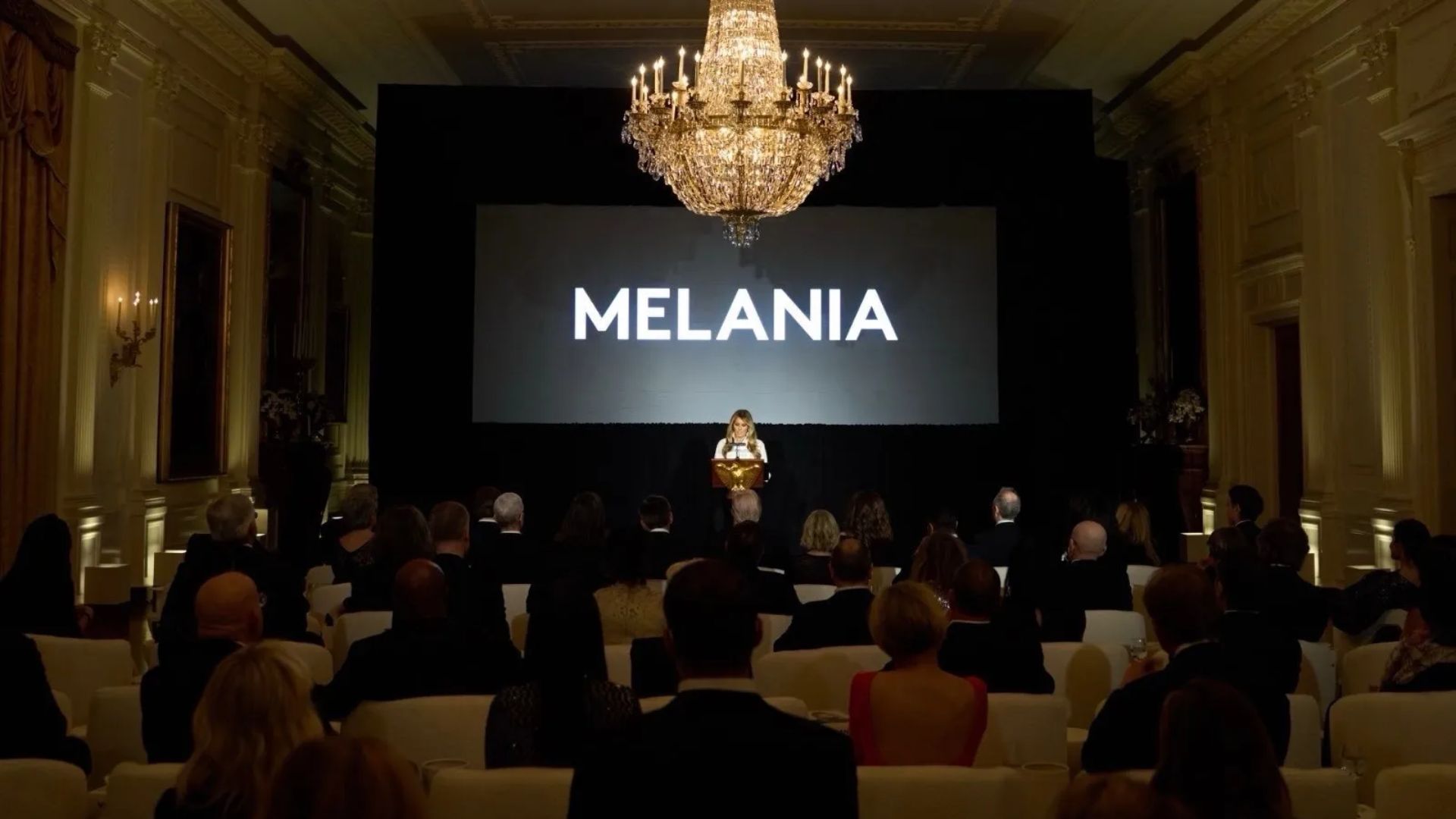
The Melania documentary opened to strong ticket sales for its category, then immediately ran into a brutal problem: almost nobody agrees on whether it is good. Domestic grosses landed around $7 million for the weekend, which counts as a standout result for a non-concert documentary.
Those sales did not come from broad, coast-to-coast enthusiasm. The film skewed older, whiter, and heavily Southern, with Florida and Texas among its top markets and about 72% of ticket buyers age 55+ and 72% women, according to reporting that cited audience tracking.
At the same time, ratings collapsed on critic-led aggregators. That split widened after a high-profile White House preview drew a guest list that included Cook, Andy Jassy, and Mike Tyson, turning a niche political documentary into a broader corporate optics story.
Don’t miss the best of The Mac Observer
Set us as a preferred source and our Apple reporting ranks higher in your Google Search results and Discover feed — one tap, no account changes.
- Opening weekend domestic ticket sales: about $7 million.
- Theater count: 1,778 locations in its initial footprint, unusually wide for a documentary.
- Reported spend: $40 million for rights plus about $35 million in marketing, putting total outlay near $75 million.
- Geography: research cited by UK reporting pegged about 53% of sales in Republican counties, with rural theaters a major driver.
- Audience reaction: an “A” CinemaScore from ticket buyers.
- Ratings gap: Rotten Tomatoes showed roughly 6% critic vs 99% verified audience at the time of reporting.
- Metacritic: a 7 Metascore based on critic reviews.
- International friction: a South African distributor pulled out before release, and reports described overseas demand as weak.
Sales stayed high while ratings sank
The release strategy looked more like a studio-wide launch than a typical documentary rollout. Amazon MGM went big on distribution and promotion, then benefited from a motivated audience that treated a ticket as participation, not just entertainment.
Critics largely rejected the film as flattering and controlled, and coverage repeatedly tied that complaint to the project’s framing and access. Reporting also noted the controversy around director Brett Ratner, who returned to a high-profile release after years away from mainstream Hollywood following misconduct allegations he has denied.
Tim Cook factor and the backlash cycle
Cook’s attendance mattered because it shifted the conversation from “How is a documentary doing this well?” to “Why are top CEOs showing up for this, right now?” Coverage tied the backlash to the timing around unrest in Minneapolis after the killing of Alex Pretti by federal immigration agents. Cook later told employees he felt “heartbroken” and urged “de-escalation,” according to reporting on an internal memo.
Put it together, and you get the core paradox behind the keyword: sales can run high even when ratings run low if the movie sells identity, reaches the right counties, and keeps the news cycle fed with controversy.


Discussion