
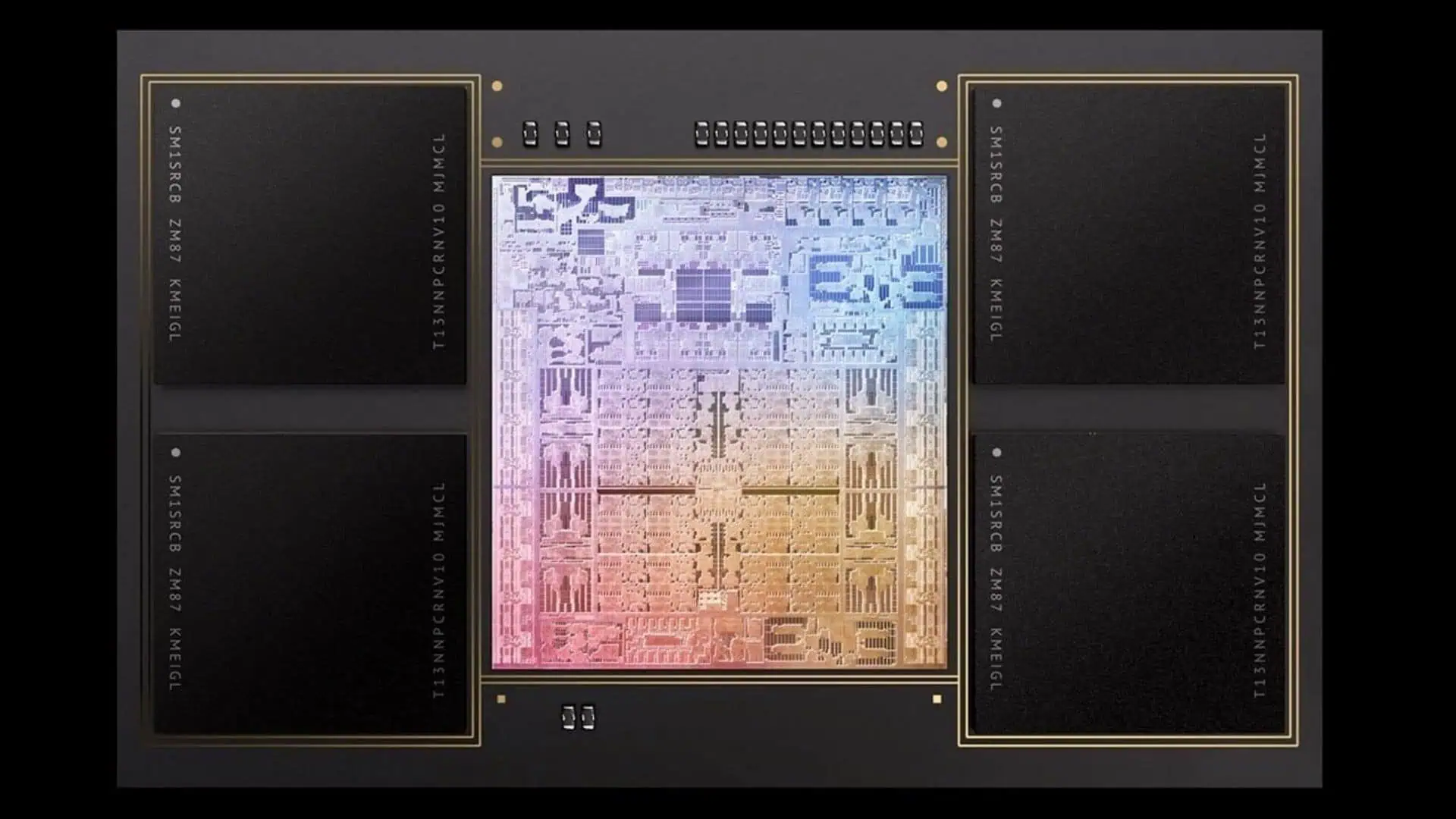
The three companies that make nearly all the world’s memory chips are facing a new class-action lawsuit in the United States. Samsung, SK Hynix, and Micron stand accused of working together to shrink the supply of standard memory to drive prices through the roof. This lawsuit, filed in a California federal court, claims these actions have forced everyday people and businesses to pay much more for their electronics.
Chipmakers accused of shifting production to favor expensive AI memory
The lawsuit argues that these three giants—which control roughly 90% of the global market—coordinated a shift in their manufacturing focus. Instead of keeping up with the demand for standard DDR3 and DDR4 RAM used in your daily Mac and iPad devices, the chipmakers allegedly moved their production capacity toward high-bandwidth memory (HBM). This specialized memory is primarily used for AI data centers, which are willing to pay much higher prices.
By limiting the supply of consumer-grade chips, the plaintiffs claim the trio effectively created an artificial shortage. They argue that in a healthy market, rising prices would normally lead companies to increase production to grab more customers. Instead, this lawsuit alleges that the three companies kept supply tight to maintain high profit margins, leading to what some are calling a memory price crisis that has hit Apple and other tech makers hard.
Don’t miss the best of The Mac Observer
Set us as a preferred source and our Apple reporting ranks higher in your Google Search results and Discover feed — one tap, no account changes.
Consumers bear the cost as hardware prices hit historic highs
This move has had a direct impact on the gadgets we use every day. As supply dwindled, the cost of manufacturing consumer electronics skyrocketed. Because these components are essential for everything from laptops to gaming consoles, companies have been forced to pass those costs onto you. We have already seen the effects, as Apple’s iPhone 18 Pro memory costs reportedly increase fivefold for the tech maker, triggering price hikes across its entire lineup.
While the companies involved have generally denied any wrongdoing, this is not the first time they have faced such accusations. The current complaint points to their history in the early 2000s, when Samsung and SK Hynix were found guilty of price-fixing and paid hundreds of millions in fines.
Whether or not this new case succeeds, the reality remains that as long as these three firms control the vast majority of production, the market for memory will stay extremely tight and expensive for everyone.


Discussion