
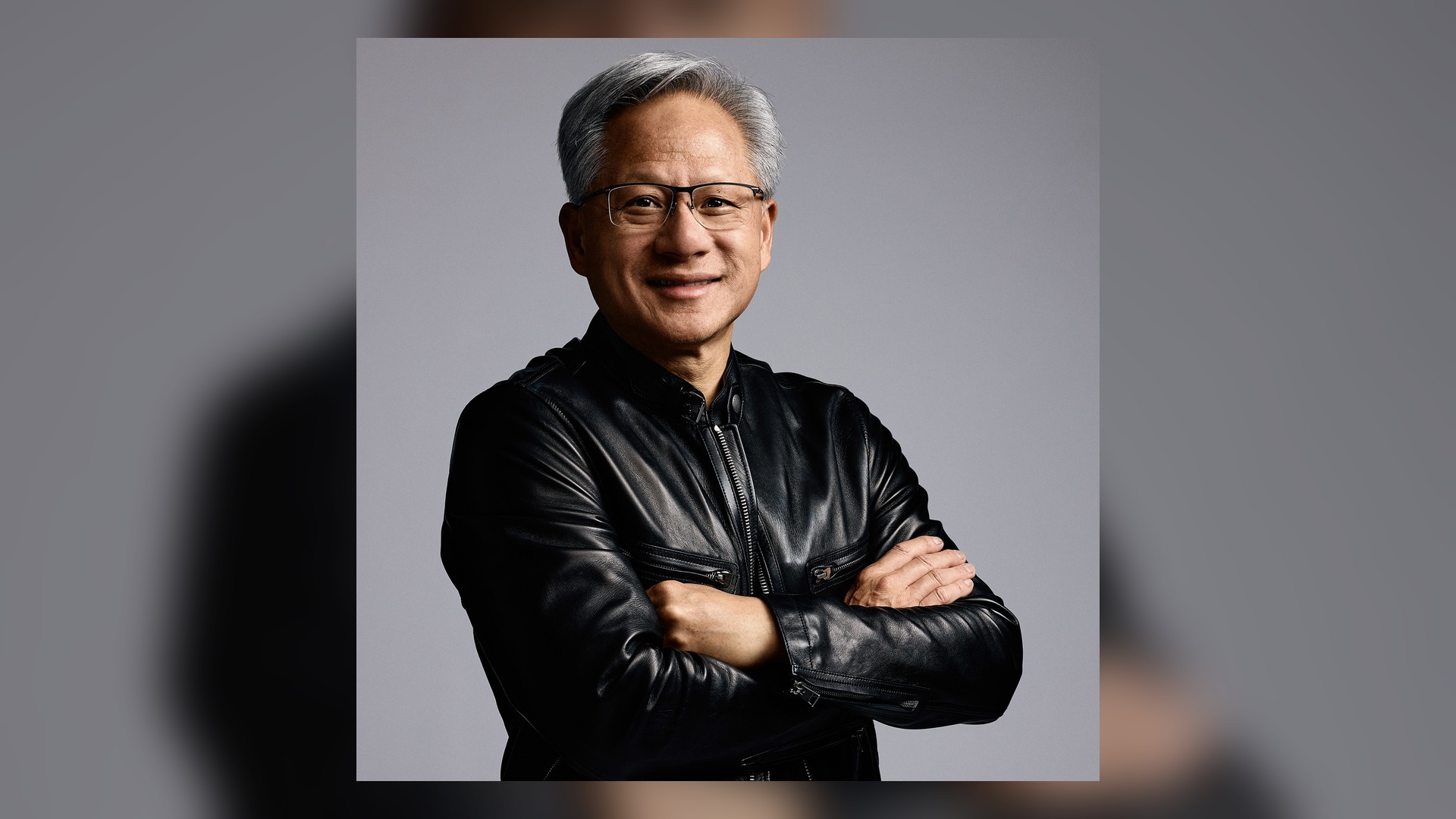
Nvidia CEO Jensen Huang is arguing that the rapid expansion of artificial intelligence can eventually support a cleaner, more efficient economy, even if powering that expansion requires difficult energy choices in the near term. His framing is drawing criticism because communities experience the pollution and cost impacts before any future benefit arrives.
In an interview on The Ezra Klein Show, Huang compared the transition with surgery that causes “pain and suffering” before helping a patient. He also argued that fossil fuels will be needed for several years because clean generation is not yet sufficient for the scale he expects.
Huang’s case has two parts. AI data centers need far more electricity now, and he believes limiting that buildout would slow useful technology. Over the longer term, he expects AI demand to accelerate investment in energy production and help researchers improve grids, materials and climate systems.
Don’t miss the best of The Mac Observer
Set us as a preferred source and our Apple reporting ranks higher in your Google Search results and Discover feed — one tap, no account changes.
The costs arrive before the promised gains
The difficult part is deciding who bears the near-term burden. New fossil generation and large data centers can add local air pollution, grid pressure and infrastructure costs. Climate damage is also cumulative, so emissions released during a temporary bridge remain in the atmosphere after cleaner capacity arrives.
Nvidia presents a more optimistic view in its 2026 sustainability report, describing AI as a tool for energy efficiency and climate research. That document explains the company’s goals and initiatives, but it does not independently settle whether the overall AI buildout will cut emissions.
The dispute is therefore not about whether AI can help particular climate projects. It is about whether promised future efficiency justifies additional fossil-fuel use today, and whether the companies benefiting from the expansion are accounting for its full public cost.
Huang has also taken an expansive view of AI capability. We recently covered his claim that GPT-6 Astra amounts to AGI. The same expansion is reshaping hardware markets, with AI demand pressuring Apple’s chip supply. Huang’s statements reflect confidence that faster development will deliver broad benefits, but the energy debate will depend on measurable results, not confidence alone.


Discussion