
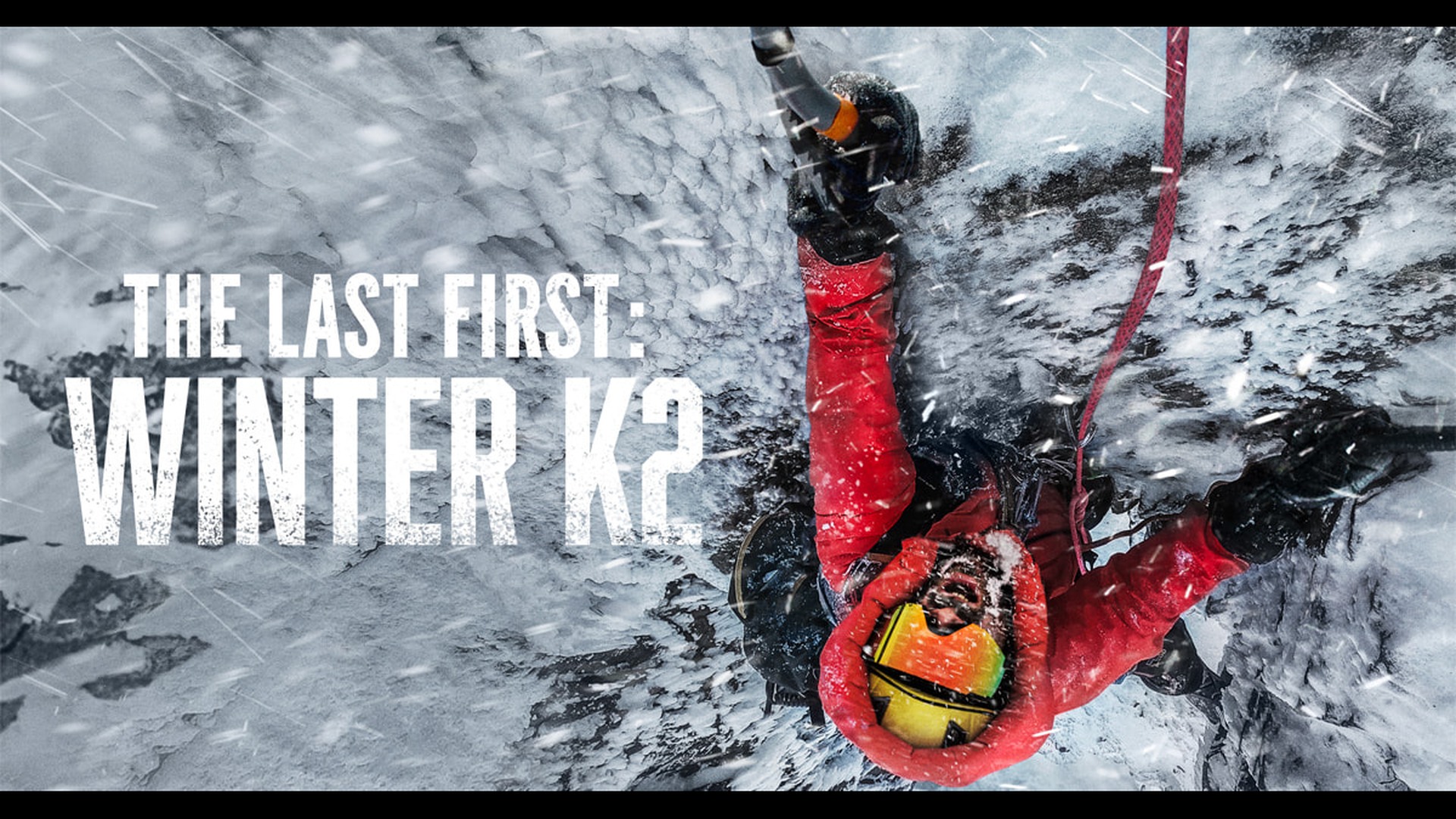
Sajid Sadpara returned from K2 because equipment trouble forced him to abandon the February 2021 summit push. His father, Ali Sadpara, continued with John Snorri and Juan Pablo Mohr, and all three disappeared high on the mountain.
The documentary treats Sajid’s descent as a life-saving mountaineering decision rather than a failure. It also makes him the witness left to explain an expedition whose final hours cannot be reconstructed with complete certainty.
- Release date: October 2, 2026
- Episode: Documentary film
- Title: The Last First: Winter K2
- Genre: Documentary
- Streaming on: Apple TV
An oxygen problem changed Sajid’s climb
Sajid reached the Bottleneck area before trouble with his oxygen equipment made continuing dangerously uncertain. At extreme altitude, delay, cold and reduced oxygen can quickly destroy a climber’s ability to think and descend safely.
Don’t miss the best of The Mac Observer
Set us as a preferred source and our Apple reporting ranks higher in your Google Search results and Discover feed — one tap, no account changes.
Ali advised his son to turn back while the others continued. Sajid descended expecting the team to follow after its summit effort, a decision that separated him from the three climbers shortly before they vanished.
The summit team never returned
Ali, Snorri and Mohr failed to make contact after continuing upward. Winter searches could not safely recover them, and the men were declared dead later in February 2021.
Remains discovered during the summer season confirmed the tragedy, but did not provide a complete minute-by-minute account of what happened above the Bottleneck. The responsible explanation preserves that uncertainty.
Survival gives the ending its moral weight
Director Amir Bar-Lev uses the expedition to examine more than the mechanics of an accident. The film places the climbers beside commercial teams, cameras and a Nepalese group pursuing its own historic winter achievement.
Sajid’s survival exposes the emotional cost behind ideas such as glory and firsts. Turning around saved him, but it also left him carrying grief, questions and the responsibility of preserving his father’s story.
Sajid’s account makes the turn-back decision concrete: he said his oxygen mask regulator did not fit and began leaking when he tried to fix it. Descending was the only defensible choice once the equipment problem appeared near the Bottleneck.
Independent reports also confirm that the three men were declared dead in February and their remains were located during the summer season. Those facts establish the loss, but they do not prove a precise sequence for the team’s final hours.
The ending therefore works through survival rather than certainty. Sajid can explain why he separated from the group and what followed, while the mountain keeps the exact cause and timing of the others’ deaths unresolved. His testimony remains the strongest account available from that point.
Sajid came back because he accepted the mountain’s warning when the others continued. Did the documentary change how you view the decision to turn around? Comment below.



Discussion