
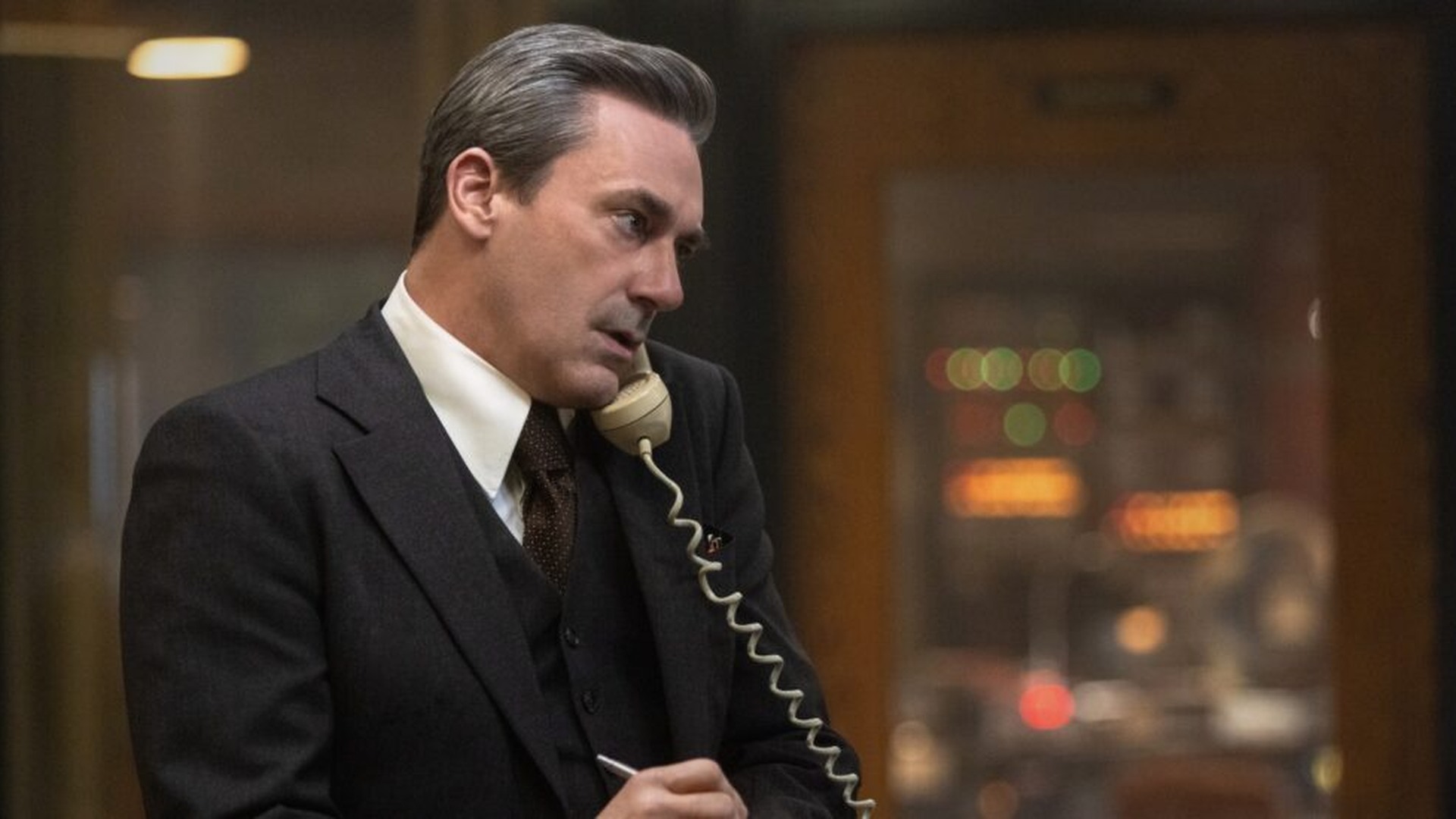
Spoiler warning: This article reveals the ending of American Hostage Episode 2.
Fred Heckman becomes part of the story in Episode 2 because Tony Kiritsis no longer treats him as a reporter who can be replaced. Fred’s voice is now a negotiating channel, a public witness and a source of emotional control while Dick Hall remains attached to the shotgun.
The ending does not show Fred abandoning journalism. It shows the crisis changing what journalism can mean. Asking a question may calm Tony, expose a contradiction or provoke him, so the same words have consequences far beyond what listeners learn from the answer.
Don’t miss the best of The Mac Observer
Set us as a preferred source and our Apple reporting ranks higher in your Google Search results and Discover feed — one tap, no account changes.
- Release date: September 20, 2026
- Episode: Season 1, Episode 2
- Title: McMahon, Martinis and Madness
- Genre: True-crime drama
- Streaming on: MGM+ in the US
Tony turns airtime into leverage
Tony uses the live broadcast to frame the Hall family as a powerful enemy and himself as a man denied ordinary justice. He wants immunity, legal representation and a public apology. By insisting that Fred carry those demands, he makes the newsroom part of his leverage.
Fred cannot simply switch off without considering Dick’s safety. Tony has indicated that being heard matters to him, and a sudden loss of access might feel like betrayal. The station is therefore holding a fragile connection that police cannot reproduce on command.
Fred cannot remain a neutral observer
At the same time, continuing the calls threatens Fred’s independence. He knows Dick personally, understands that a man’s life may depend on him and must coordinate with authorities whose priorities differ from his editors’. He is reporting on decisions he is actively helping shape.
The second episode makes that conflict visible through his increasing emotional investment. Fred listens for Tony’s mood rather than only for quotable facts. He is beginning to think ahead like a negotiator even though nobody has formally given him that role.
The ending creates an ethical trap
The trap has no clean exit. Giving Tony unlimited airtime can reward coercion and spread unchecked claims. Restricting it can destroy trust and remove one of the few lines into the home. Either choice can later be judged as a journalistic failure or a safety failure.
That is why the ending feels more dangerous than a conventional cliffhanger. Tony controls Dick physically, but he also begins controlling Fred’s professional choices. The story Fred planned to cover is now reacting to him in real time.
Episode 3 must test whether Fred can set boundaries without losing Tony. The answer will define both his reporting and his place in the crisis. Do you think he should continue broadcasting the calls live, or move them off air while keeping the conversation open? Tell us in the comments.




Discussion