
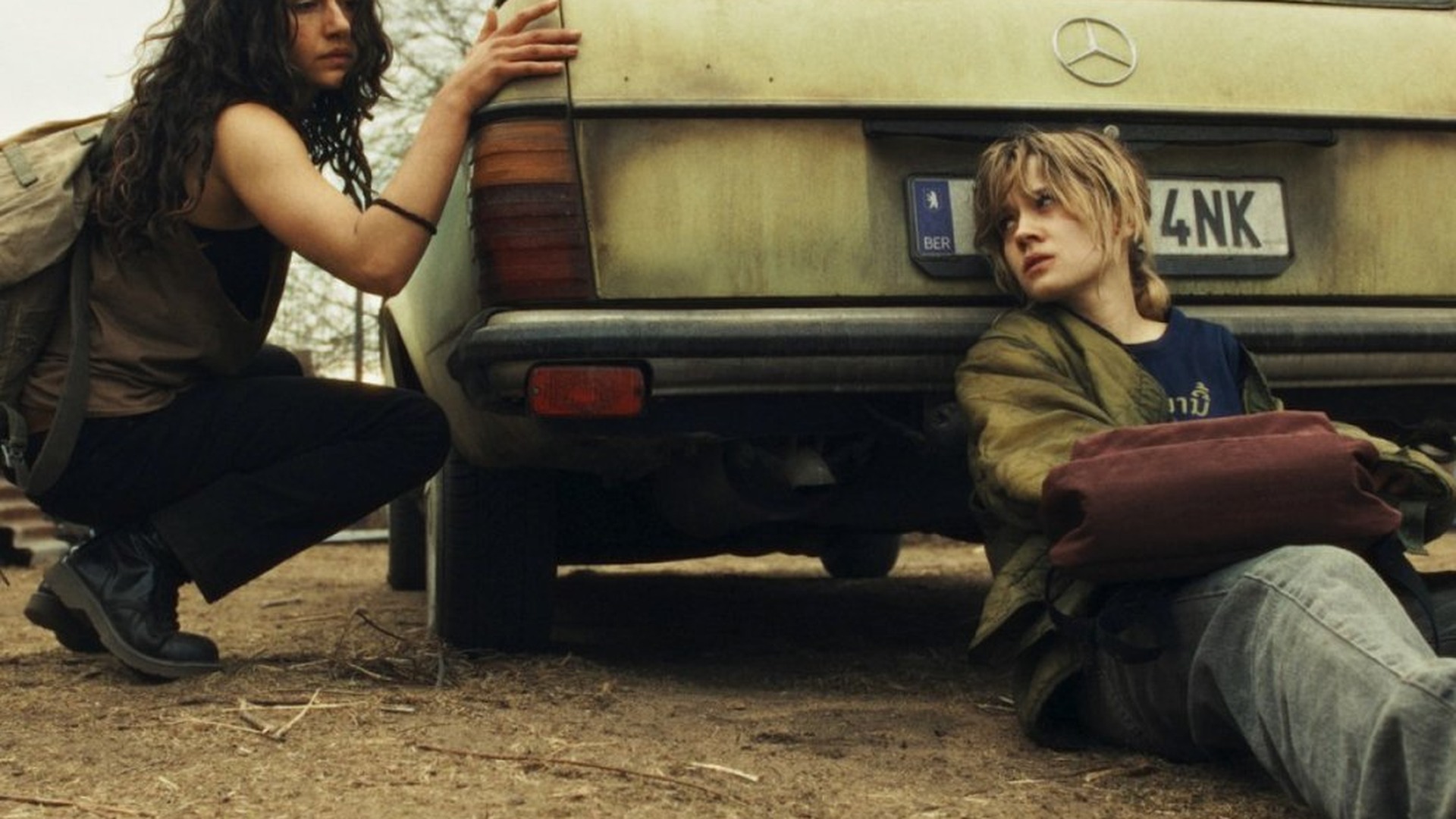
Spoilers for City of Blood Season 1 follow. Bea Hoffmann becomes a vampire because Szen turns her after Bea has explicitly refused the transformation. The finale presents it as a theft of choice, not a miraculous cure for the illness and pain that have shaped Bea’s life.
The decision is also political. Szen believes that making a known critic of vampires into one of them can soften Berlin’s fear. That makes Bea’s survival inseparable from the campaign to make vampiric power look acceptable.
- Release date: September 16, 2026
- Episode: Season 1, Episode 8
- Genre: Horror thriller
- Streaming on: Disney+
Bea says no before the transformation
Szen’s offer is deliberately cruel because it uses Bea’s chronic illness as leverage. She frames vampirism as an escape from physical suffering, but Bea rejects it. The finale then has Phoebe reach the compound too late to stop the change.
Don’t miss the best of The Mac Observer
Set us as a preferred source and our Apple reporting ranks higher in your Google Search results and Discover feed — one tap, no account changes.
Bea’s first response after turning makes the cost unmistakable. She says she no longer feels the pain that defined so much of her life, but sunrise immediately imposes a different limit. The apparent relief is not freedom. It is evidence that her body and future have been taken out of her control.
The scene also prevents an easy reading of vampirism as a cure. A reprieve from pain can still be a violation when it arrives without consent. The series lets those two ideas sit together instead of treating Bea’s survival as an uncomplicated victory.
Szen wants Bea to become a symbol
Bea is useful to Szen precisely because she has opposed vampires. If the public sees her living as one of them, the transformation can be sold as proof that coexistence is possible. The finale turns an intensely personal violation into an instrument of public relations.
That strategy is chilling because it does not require Bea’s cooperation after the fact. Her changed body is enough for other people to make arguments on her behalf, leaving her to manage the consequences of a narrative built around her without her permission.
That logic helps explain why the show refuses to make the rescue a clean victory. Phoebe finds her sister, but cannot reverse what happened. Their relationship now has to carry a new divide: Phoebe is fighting the system that made Bea a symbol, while Bea must live inside the body that system chose for her.
The ending makes survival politically dangerous
Bea does not die, and that matters. The finale’s larger conflict is moving from hidden violence toward political control. As public fascination with vampires grows, Bea’s visibility can be used to support a new order even if she never consented to represent it.
The strongest reading of the ending is not that Bea has switched sides. It is that the people seeking power have tried to define her before she can define herself. Can Bea and Phoebe recover their bond after that forced transformation? Let us know in the comments.




Discussion