
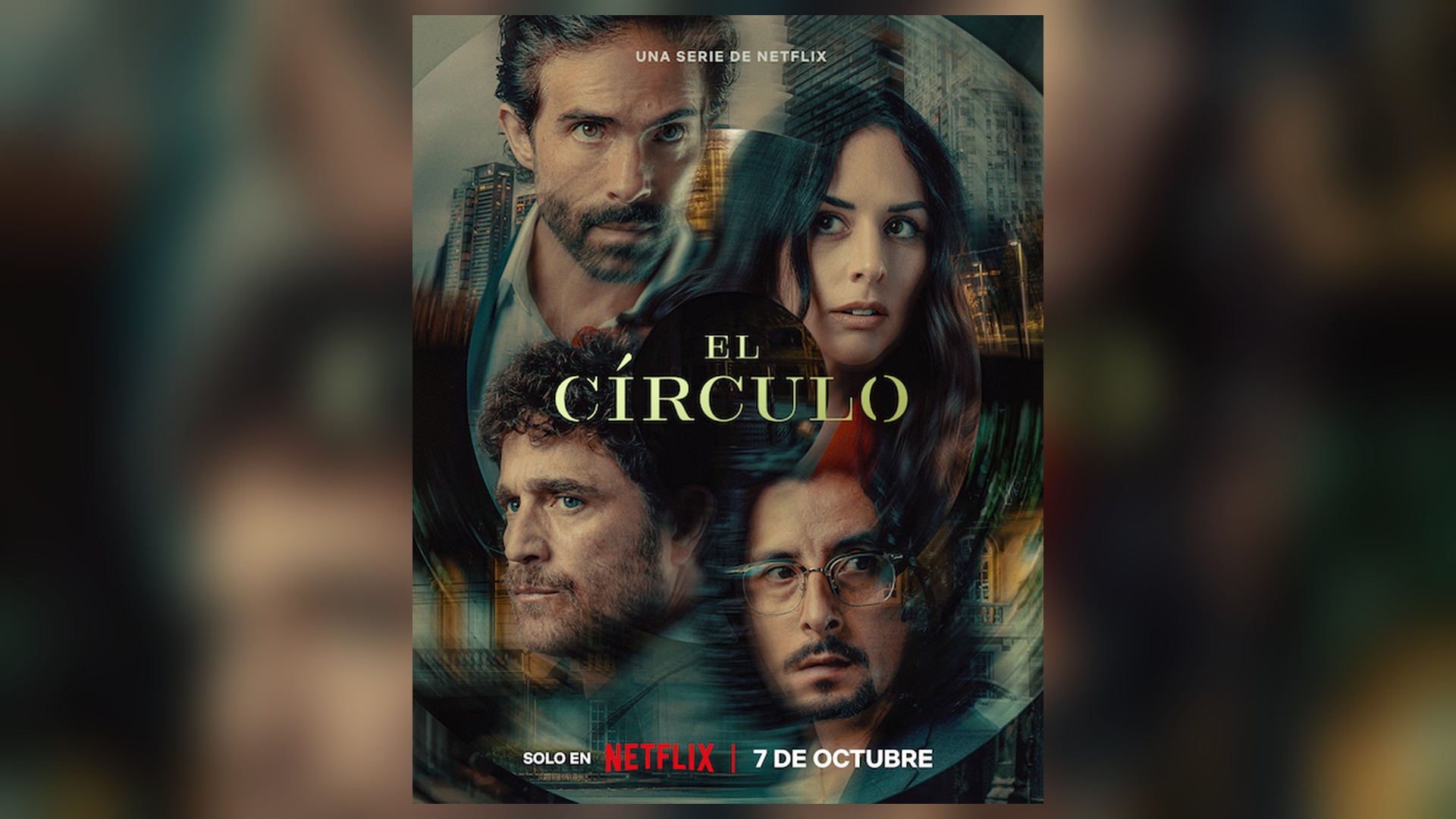
Spoiler warning: This article discusses events through S01E08.
Jaime is behind Pamela Dosantos’ murder. He uses her death and the damaging information she collected to weaken General Salazar and strike at the power structure connected to his own father.
The betrayal is personal because Jaime does not merely lie to Tomás, Amelia and Mario. He predicts their reactions and uses their loyalty, skills and fear as pieces in a political operation they never agreed to join.
Don’t miss the best of The Mac Observer
Set us as a preferred source and our Apple reporting ranks higher in your Google Search results and Discover feed — one tap, no account changes.
Jaime turns Pamela’s death into political leverage
Pamela knew about secret deals and misconduct involving powerful people. Her death near Salazar’s sphere directs suspicion toward him and makes the scandal useful to anyone seeking to destabilize his position.
Jaime allows material to reach Tomás because he trusts the journalist to investigate and publish. Tomás becomes an unwitting delivery system, creating public pressure while Jaime initially remains hidden behind the story.
Tomás was useful because he would chase the truth
The plan exceeds Jaime’s control when Tomás keeps digging. Friendship gives Jaime knowledge of his companions’ weaknesses, but it also leads him to underestimate their willingness to challenge him once the pattern becomes visible.
Jaime claims a larger political purpose, yet he becomes the kind of operator he says he opposes. He decides which sacrifices are acceptable and exposes his closest friends to dangers without their consent.
Commander Lara keeps the conspiracy alive
Salazar dies after Tomás publishes the evidence, but he leaves instructions for Commander Lara to continue their plans. Removing one leader therefore does not dismantle the network around him.
The murder is solved, but the circle is broken. Tomás gains the truth at the cost of trust, while Jaime is left exposed to political enemies and the Northern Cartel.
The distinction matters because the immediate answer does not settle every consequence. The people involved still have to act on what they know, and later episodes or announcements may change the practical meaning of the situation without changing the evidence available now.
It also helps separate what the story or announcement confirms from the conclusions viewers may reasonably draw. A strong interpretation can connect established details, but it should not turn a possibility into a fact. That boundary is especially important when a title promises a direct answer and the surrounding narrative deliberately leaves part of the outcome unsettled.
The wider context gives the development its weight. It affects more than one isolated scene, release date or casting line because it changes what the central characters can safely assume. The next decision will show whether they have understood that change or are about to repeat the same mistake under new circumstances.
That makes the follow-through more important than the surprise itself. A reveal, casting announcement or scheduled release has lasting value only when it changes the choices available afterward. Watching those consequences unfold will provide the clearest test of whether this moment is a turning point or simply a temporary complication.
What do you make of this development, and what should happen next? Share your view in the comments.




Discussion