
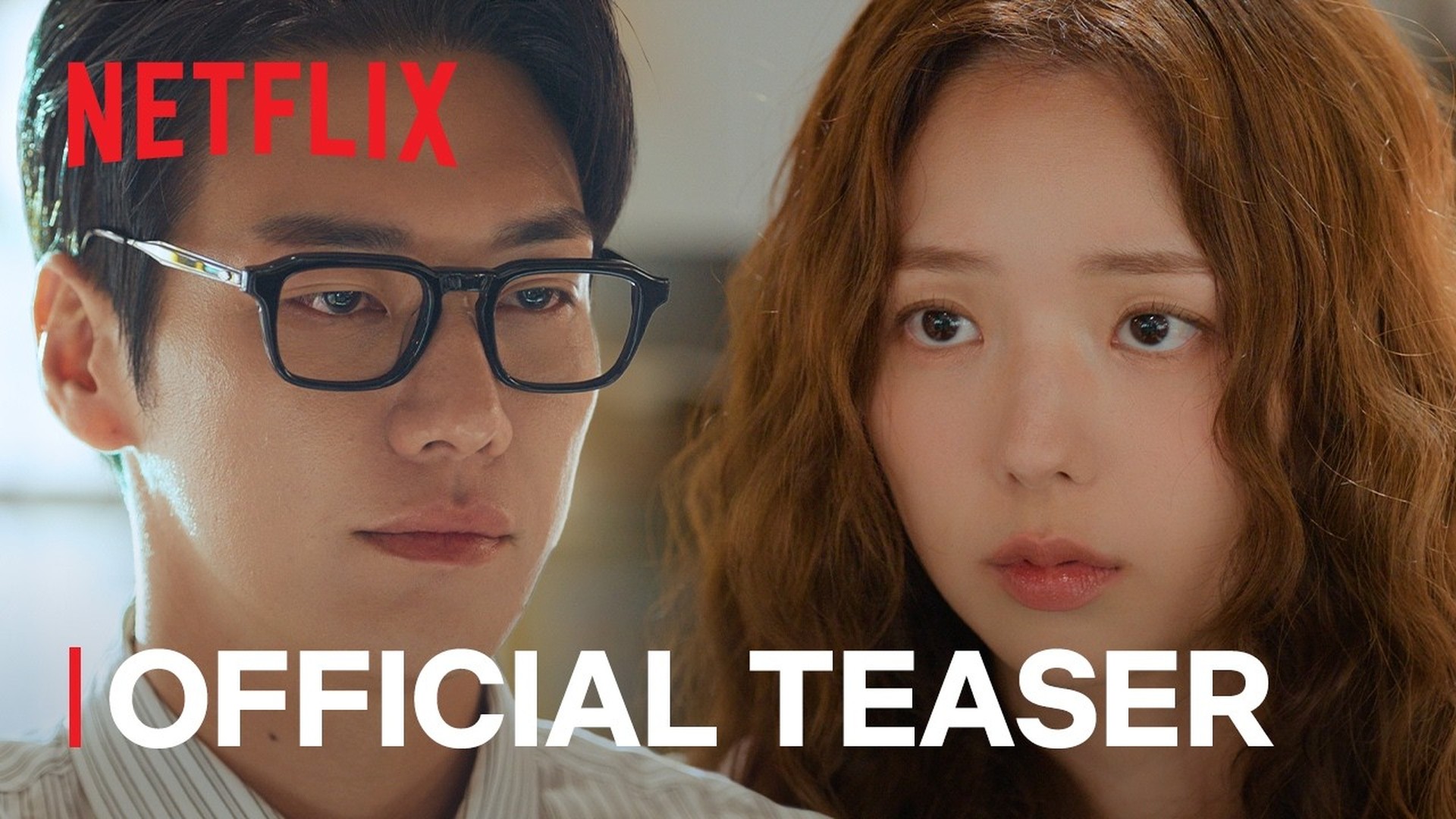
Na Bo-bae literally powers Baek Ho-rang’s artificial heart because a childhood lightning strike left electrical current running through her body. When a storm interrupts Ho-rang’s battery-replacement surgery, his new power source begins failing and recharges only when Bo-bae is close enough to touch him.
That mechanical dependency creates the Netflix K-drama’s romantic contract. Ho-rang needs three months of power before another surgery, while Bo-bae has three months to finish a romance screenplay despite never having been able to date safely. He offers to complete her romance bucket list if she keeps his heart charged.
Bo-bae’s gift has kept her isolated
Chae Soo-bin plays Bo-bae as a screenwriter whose electric touch can shock other people. She wears gloves and keeps her distance rather than risk hurting someone she likes. Ho-rang becomes extraordinary to her because he is the first person who can absorb the current without reacting like an ordinary body.
Don’t miss the best of The Mac Observer
Set us as a preferred source and our Apple reporting ranks higher in your Google Search results and Discover feed — one tap, no account changes.
Ho-rang’s artificial heart is his hidden weakness
Kim Young-kwang’s Ho-rang is a third-generation chaebol heir and resort executive competing to lead TS Group. His controlled image depends on hiding a heart battery that is running out. Bo-bae is therefore not just a romantic surprise. She is essential to his survival and to the corporate future he has planned.
The contract makes touch both practical and intimate
Their arrangement turns familiar rom-com proximity into a medical necessity. Hand-holding charges the battery, but it also gives Bo-bae the physical connection she has been denied. The premise can play the sparks for comedy while asking whether affection built under pressure can become a choice after the deadline ends.
The most useful way to read the available information is to separate a confirmed detail from an inference. A distributor can verify a date, cast member, episode order or basic premise. It cannot, by itself, prove a future renewal, an unannounced casting choice or an interpretation of events that the finished story leaves deliberately open.
That distinction is especially important for streaming coverage, where schedules and catalog pages can change without warning. The details here reflect US availability and sources checked on October 8, 2026. Any missing date, role or production detail remains unconfirmed rather than being filled from expectation.
For viewers, the practical takeaway is to follow the named platform and treat the cited release status as current, not permanent. Official pages remain the best place to confirm last-minute timing changes, while interviews and attributable reporting provide context that a short synopsis cannot.
The story also works best when its central promise stays narrow. A release guide should answer when and where, a cast guide should connect performers to verified roles, and an explanation should distinguish what the episode shows from what viewers may reasonably infer.
What do you think of this development? Share your view in the comments.




Discussion