
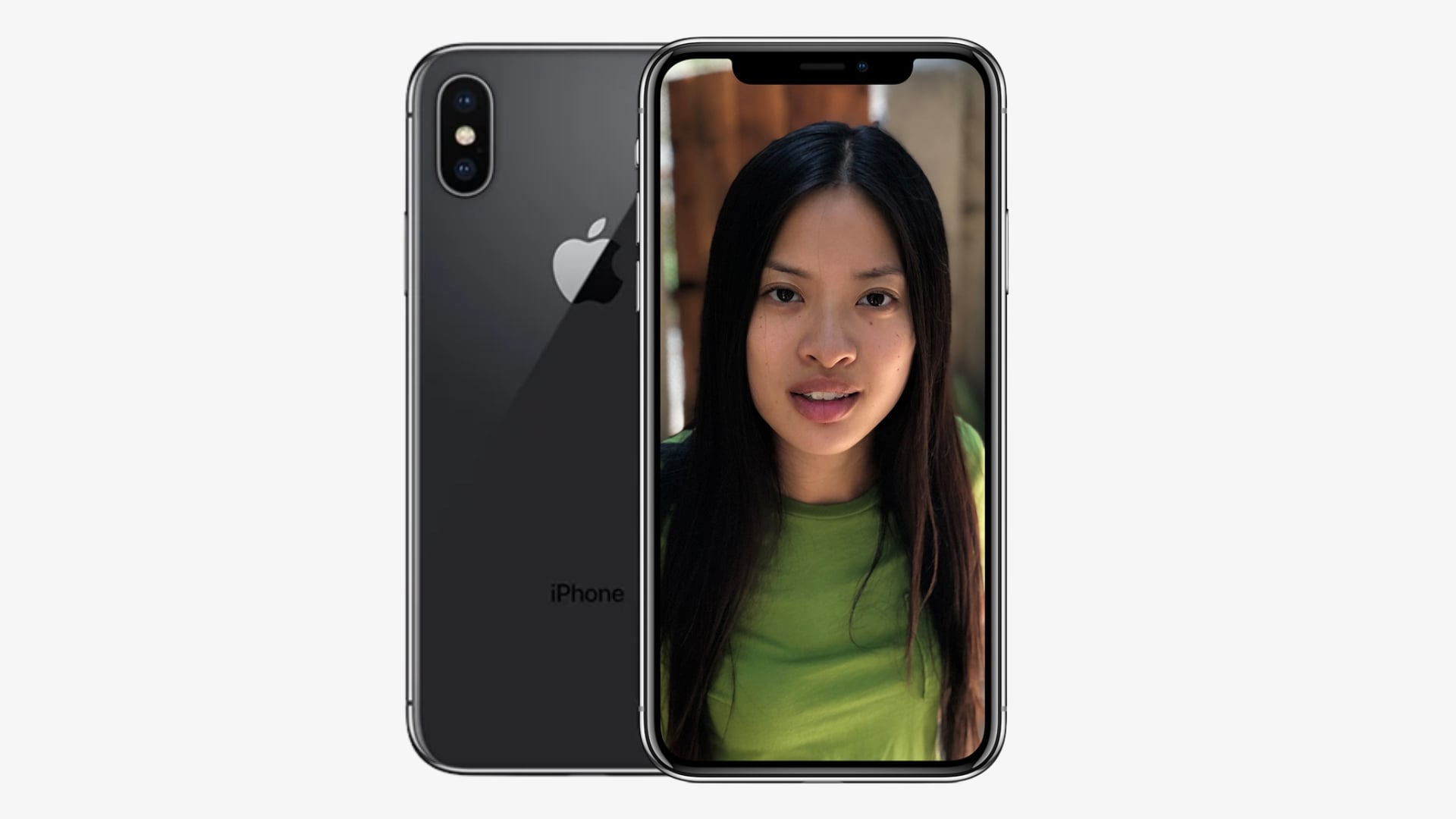
Apple released the iPhone X nine years ago today, on November 3, 2017, introducing one of the biggest design changes in the iPhone’s history. The tenth-anniversary model brought Face ID, an OLED display, and gesture-based navigation, establishing a design that would influence future iPhones for years.
Apple first announced the iPhone X on September 12, 2017, alongside the iPhone 8 and iPhone 8 Plus. It arrived with a starting price of $999 in the United States, making it Apple’s first iPhone to cross that price threshold at launch.
The iPhone X Introduced a Completely New Design
The iPhone X replaced the familiar Home button with a 5.8-inch Super Retina OLED display featuring a resolution of 2436 × 1125 pixels. Apple also introduced the distinctive notch, which housed the TrueDepth camera system required for facial recognition.
Don’t miss the best of The Mac Observer
Set us as a preferred source and our Apple reporting ranks higher in your Google Search results and Discover feed — one tap, no account changes.
For the first time, users could unlock their iPhone using Face ID instead of Touch ID, while swipe gestures replaced the physical Home button. The TrueDepth camera projected more than 30,000 invisible infrared dots to create a detailed facial map, with authentication processed securely on the device.
During the original announcement, Apple’s design chief Jony Ive said:
“For more than a decade, our intention has been to create an iPhone that is all display. The iPhone X is the realization of that vision.”
The statement appeared in Apple’s official September 2017 announcement.
Powerful Hardware and Features That Shaped Future iPhones
Beyond its redesigned appearance, the iPhone X introduced several hardware improvements that helped define Apple’s premium smartphone lineup.
- A11 Bionic: A six-core processor with a dedicated dual-core Neural Engine capable of 600 billion operations per second.
- Cameras: Dual 12MP rear cameras with optical image stabilization and a 7MP TrueDepth front camera.
- Display: Apple’s first iPhone OLED screen, supporting HDR10, Dolby Vision, and True Tone.
- Wireless charging: Qi charging support through an all-glass back.
- Animoji: Animated characters that followed users’ facial movements through the TrueDepth camera.
Nine Years Later, the iPhone X’s Influence Remains
Apple discontinued the iPhone X in September 2018, and iOS 16 became its final major software update. The company also classified the iPhone X as obsolete in August 2026, ending official hardware service and replacement-part availability.
However, its influence remains visible across Apple’s modern iPhone lineup, particularly through Face ID, gesture navigation, OLED displays, and the emphasis on maximizing screen space.
Nine years after its release, the iPhone X remains one of Apple’s most important smartphones, having established the foundation for nearly a decade of iPhone design.


Discussion