
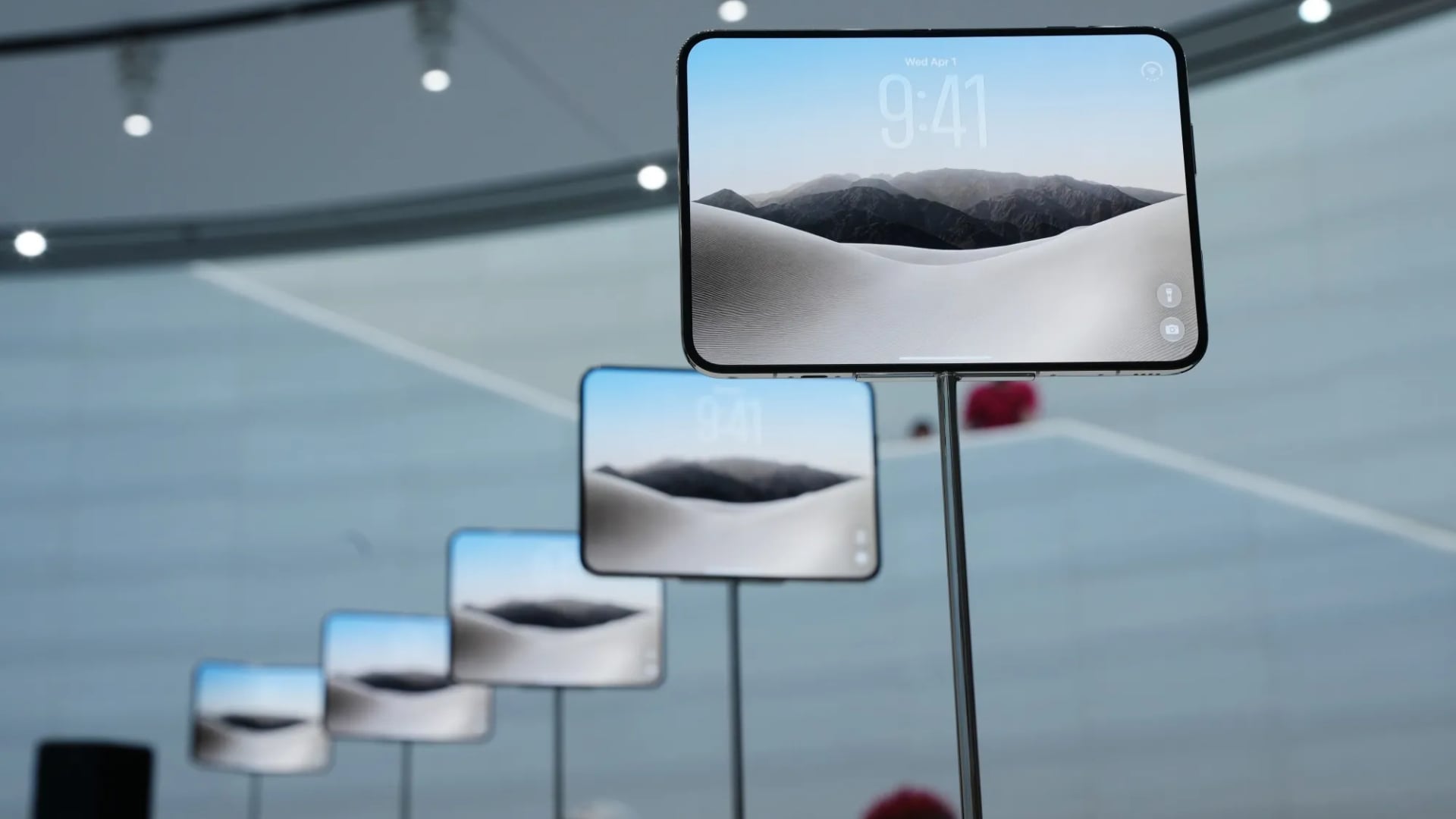
Apple decided to launch its highly anticipated foldable smartphone earlier than originally planned. According to Bloomberg reporter Mark Gurman, the company initially set a November release date for the iPhone Duo in the United States and China. Instead, it rushed the device to market on October 23 across more than 70 countries, leading to massive stock shortages and leaving buyers trying to track down inventory.
Apple pushed the launch timeline up by a full month
The decision to accelerate the release caught many in the tech space off guard. Gurman noted that Apple pushed the new model out without building up enough stock to meet initial demand. This sudden change in schedule helps explain why the rollout felt messy to people waiting in line and ordering online.
When preorders went live, the initial batch of online stock vanished in minutes. Reports suggest the company sent roughly 80 percent of its early inventory directly to physical retail stores rather than holding units for web orders. Because it chose this distribution method, walk-in customers had a decent chance of grabbing a phone on launch day, while online shoppers saw their delivery dates slip deep into January 2027.
Don’t miss the best of The Mac Observer
Set us as a preferred source and our Apple reporting ranks higher in your Google Search results and Discover feed — one tap, no account changes.
Selling a premium device that starts at $1,999 requires a smooth launch, but moving the date forward complicated things. The early release meant the brand simply did not have the manufacturing lead time to stockpile adequate numbers.
Limited inventory leaves buyers facing long waits into next year
Right now, finding the new iPhone model is incredibly difficult. Most online orders show a January 25 delivery estimate, and recent data indicates that wait times average several months. Retail stores rarely see restocks, making the process of buying one mostly a game of luck.
The rushed timeline might also be linked to reports of hardware problems. Some early adopters are dealing with screens breaking along the hinge. Because replacement units are so scarce, anyone experiencing these problems faces a tough time getting a swap. The company is now dealing with a messy mix of supply issues and early display concerns.
Ultimately, launching early gave the company a head start on the holiday shopping season, but it came at the cost of availability and quality control. If the original November target had stayed in place, the tech giant might have avoided the severe bottlenecks holding back its biggest product release of the year.


Discussion