

The iPhone 17 Pro has gone through iFixit’s teardown process, and the findings highlight both design advances and new concerns. The detailed examination not only revealed the internal layout but also shed light on the debate over scratches on the model’s finish.
Vapor Chamber Cooling Comes to iPhone

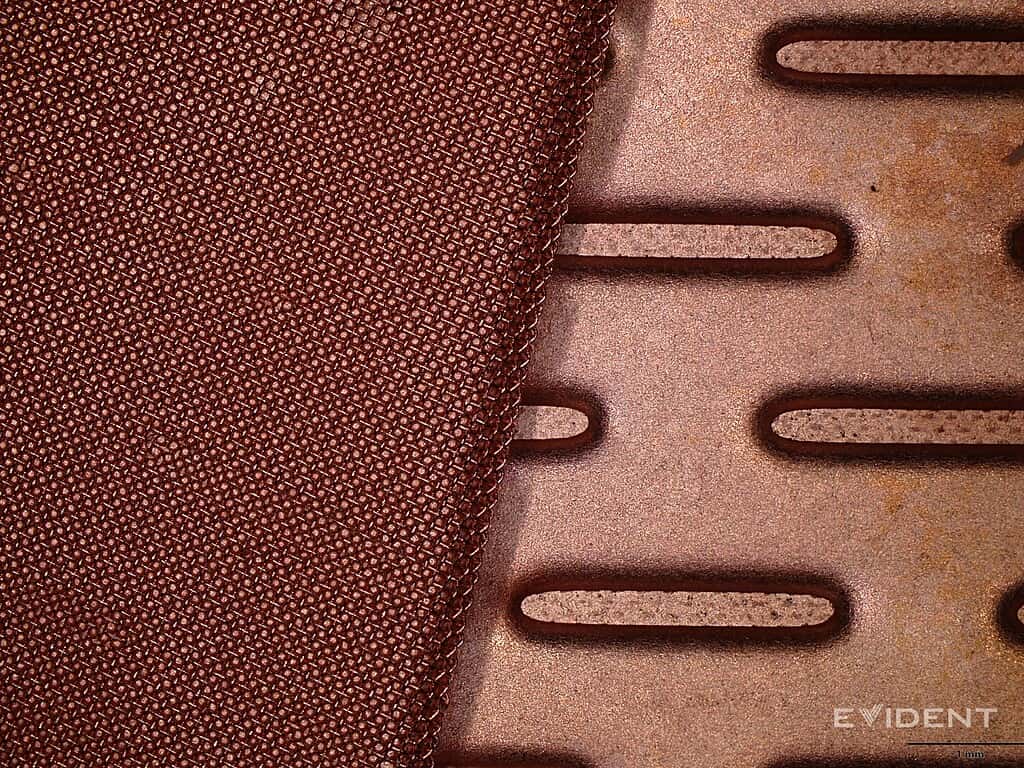
One of the biggest discoveries inside the iPhone 17 Pro is the new vapor chamber cooling system. This component uses liquid evaporation and condensation to manage heat, a first for any iPhone. Positioned over the A19 Pro chip, the chamber keeps the device from overheating during long sessions, a problem that affected the iPhone 16 Pro Max.
Under the microscope, the chamber shows a lattice structure and copper indentations that help circulate vapor and liquid in a loop. This design ensures heat is drawn away efficiently, reducing throttling and making the phone more stable under heavy loads.
Don’t miss the best of The Mac Observer
Set us as a preferred source and our Apple reporting ranks higher in your Google Search results and Discover feed — one tap, no account changes.
Battery Tray and Repairability

iFixit also uncovered a new battery design. For the first time, Apple has added a tray held in place with Torx Plus screws. The battery still relies on electrically de-bonding adhesive, which releases with a 12-volt charge in just over a minute. The tray makes handling safer and may indicate that Apple will sell pre-mounted battery units for easier replacements.
Despite these improvements, repairability is mixed. The removal of the dual-entry design means technicians can no longer access components through the back glass. Most major repairs now require opening the display, a step backward in ease of servicing.
Scratches Under the Microscope


Reports of scratches on the iPhone 17 Pro pushed iFixit to investigate further. Using a microscope, the team confirmed that the anodization is weakest on sharp, unchamfered edges, particularly around the camera bump. This leads to a phenomenon known as spalling, where the anodized coating chips away to reveal the aluminum beneath.
On flat surfaces, scratches from a Mohs hardness tester are visible but do not strip away the coating. On the camera plateau, however, the brittle anodized layer detaches more easily, supporting claims that the model is more scratch-prone in specific areas.
Expert Insight

Metallurgical engineer Daid Niebuhr analyzed the issue and dismissed the idea that Apple’s shift from titanium oxide to aluminum oxide was responsible. Instead, he pointed to the sharp edge design as the main factor behind the problem. The uneven support for the anodized layer causes it to break away under stress, unlike smoother flat sections that hold up better.
Final Score
After weighing the pros and cons, iFixit gave the iPhone 17 Pro a provisional repairability score of 7 out of 10. The addition of a removable battery tray is a step forward, but the absence of dual-entry access and a complex USB-C replacement process count against it.
The teardown confirms that while the iPhone 17 Pro introduces advanced cooling and a smarter battery design, it also faces durability questions that Apple will have to answer.


Discussion