Today Kelly is joined by Bob “Dr Mac” LeVitus to discuss If This Then That, and some of the ways you can use the service to automate your life.
Paramount+ is Now Available in the U.S. And Beyond
The Paramount+ streaming service is now available in the U.S., 18 Latin American countries, and Canada for US$9.99 per month.

Eve Systems Adds 3 New HomeKit-Over-Thread Products
Eve Systems have announced three new HomeKit products that work with new technology called Thread.

Satechi Releases USB-C Multi-Port Adapter
Satechi announced on Thursday the launch of a USB-C multi-port dock. It has USB-C PD charging, HDMI and VGA display ports, USB-A data ports, SD card slots, and Gigabit Ethernet, with two detachable USB-C cables – perfect for on-the-go or docked at your desk. Compatible devices include: 2020/2019/2018/2017/2016 MacBook Pro, 2020/2018 MacBook Air, 2020/2018 iPad Pro, 2019/2017 iMac, iMac Pro, 2015/2016/2017 MacBook, Microsoft Surface Laptop 3/Surface Pro 7/Go, Google PixelBook Go, ChromeBook, Samsung Galaxy Tab Pro S, HP Spectre Convertible, Razer Blade, Huawei Matebook and more USB-C devices. It costs US$99.99 but with the code MULTIPORT20 you can get 20% off. Valid until March 15.
UK Competition Authority Launches Apple Investigation Over App Store Allegations
The UK CMA has launched an investigation into Apple as a result of complaints about anti-competitive practices around the App Store.

47,000 iOS Apps Have Misconfigured Cloud Servers
Researchers at Zimperium analyzed 1.3 million Android and iOS apps to detect common cloud misconfigurations. They found that nearly 84,000 Android apps and 47,000 iOS apps have errors.
The researchers found almost 84,000 Android apps and nearly 47,000 iOS apps using public cloud services—like Amazon Web Services, Google Cloud, or Microsoft Azure—in their backend as opposed to running their own servers. Of those, the researchers found misconfigurations in 14 percent of those totals—11,877 Android apps and 6,608 iOS apps—exposing users’ personal information, passwords, and even medical information.

New 'Apple For Kids' Page Helps Parents Control Children's Digital Activity
A new ‘Apple for Kids’ page gives parents various piece of guidance on how they can keep their children safe when using Apple devices.

Apple TV+ Shows Earn 11 Total Annie Award Nominations
“Wolfwalkers” the Golden Globe-nominated Apple Original animated film has received 10 Annie Award nominations.
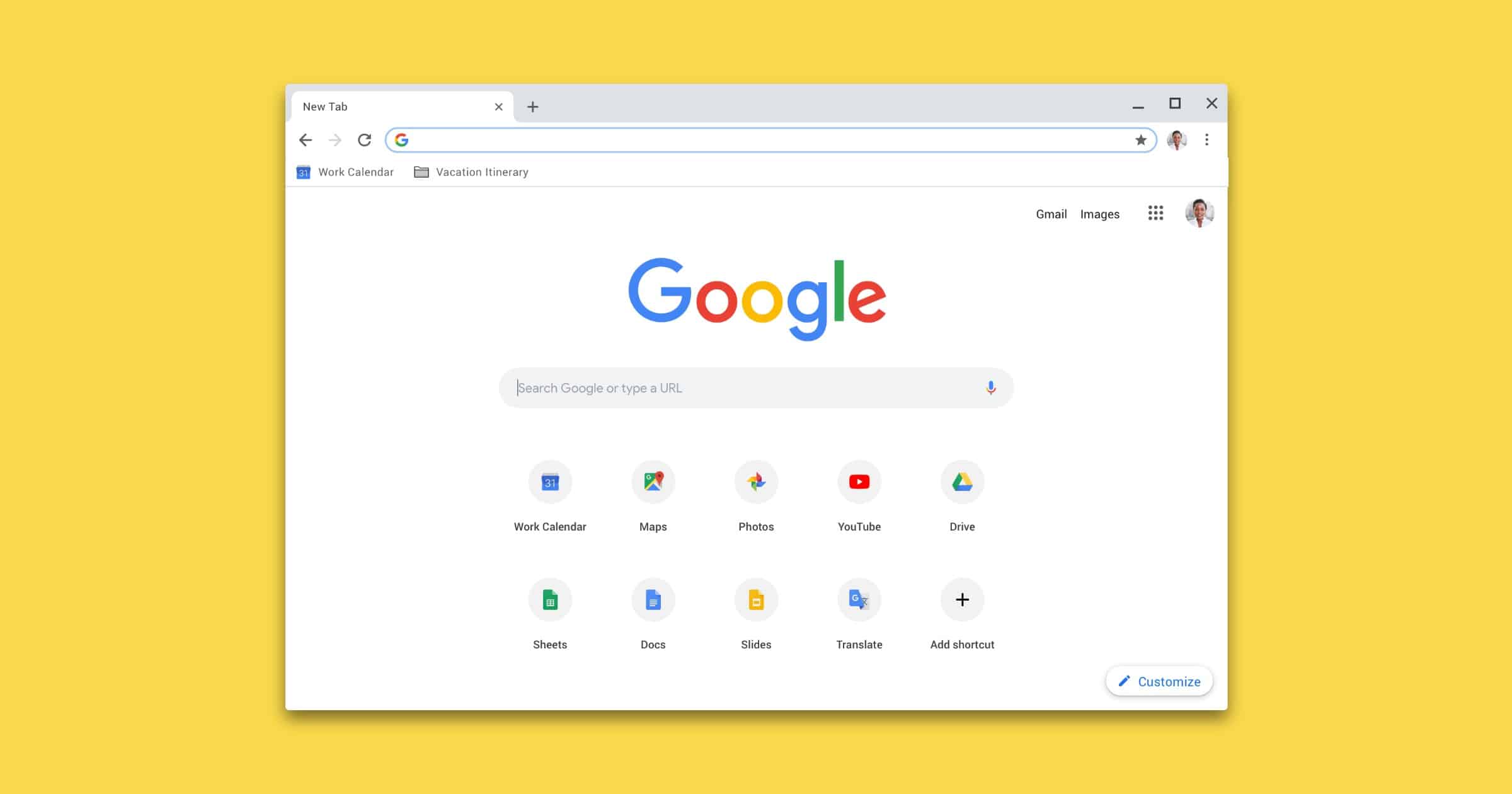
Google Reveals Plan to End Third-Party Cookies
Google wrote a post updating its plans for its Privacy Sandbox project. Its goal is to make third-party cookies obsolete.
we are confident that with continued iteration and feedback, privacy-preserving and open-standard mechanisms like the Privacy Sandbox can sustain a healthy, ad-supported web in a way that will render third-party cookies obsolete.
Once these approaches have addressed the needs of users, publishers, and advertisers, and we have developed the tools to mitigate workarounds, we plan to phase out support for third-party cookies in Chrome.
I don’t know what the new “open standards” will be, but I’m definitely skeptical given the nature of Google’s advertising business. Will there be a new first-party tracking technique? Update: Here’s why the EFF thinks it’s a terrible idea.

Apple Orders ‘Dr. Brain’ Starring Lee Sun-Kyun
Apple has put in a series order for Korean sci-fi thriller “Dr. Brain.” It’s directed by Kim Jew-Woon and stars SAG Award winner Lee Sun-Kyun.