Apple introduced Apple Arcade, a gaming subscription service focussed on original, creative games from big game studios and indie developers.
iOS 12.2, macOS 14.4 Coming Later Today
Apple’s special event today was focused mainly on services, but we’ll also be getting iOS 12.2 and macOS 14.4 today.
The Opening Video From Apple's 'It's Show Time' Event
Apple went old-school with its introduction video at the ‘It’s Show Time’ event. It featured the classic Apple Rainbow logo, the company’s famous ‘Think Different’ tagline, and all of its major products. The clip, soundtracked by “Love” by Unloved, combined forward thinking with nostalgia to really great effect.

Apple Reveals News Subscription Service - Apple News+
Magazines and premium subscriptions are coming to Apple News. The upgraded service is called Apple News+ and will cost $9.99 a month.

Apple and Qualcomm Agree on One Thing: China
Apple and Qualcomm’s epic legal battle appears to be reaching the end. Amongst all their disagreements, they see eye-to-eye on the importance of 5G in the U.S. With a key ruling from the U.S. International Trade Commission expected tomorrow, Bloomberg News reported on the very high-stakes for both firms.
A ruling from the trade commission favoring Apple could undermine Qualcomm’s attempts to defend its business model and keep on charging billions of dollars in technology licensing fees. If Qualcomm prevails, Apple may face restrictions on its ability to import and sell some versions of the iPhone, the main source of its revenue…. The fear in Washington that China will get a global lead in 5G is being stoked by both Apple and Qualcomm to try to win the epic legal battle over technology that currently underpins all smartphones.

Major Apple Investor Warren Buffett Will Not Be Worrying About Today's Event
While many people tune into Apple’s ‘It’s Show Time’ even,’ one person who will not be obsessing is legendary investor, Warren Buffett.
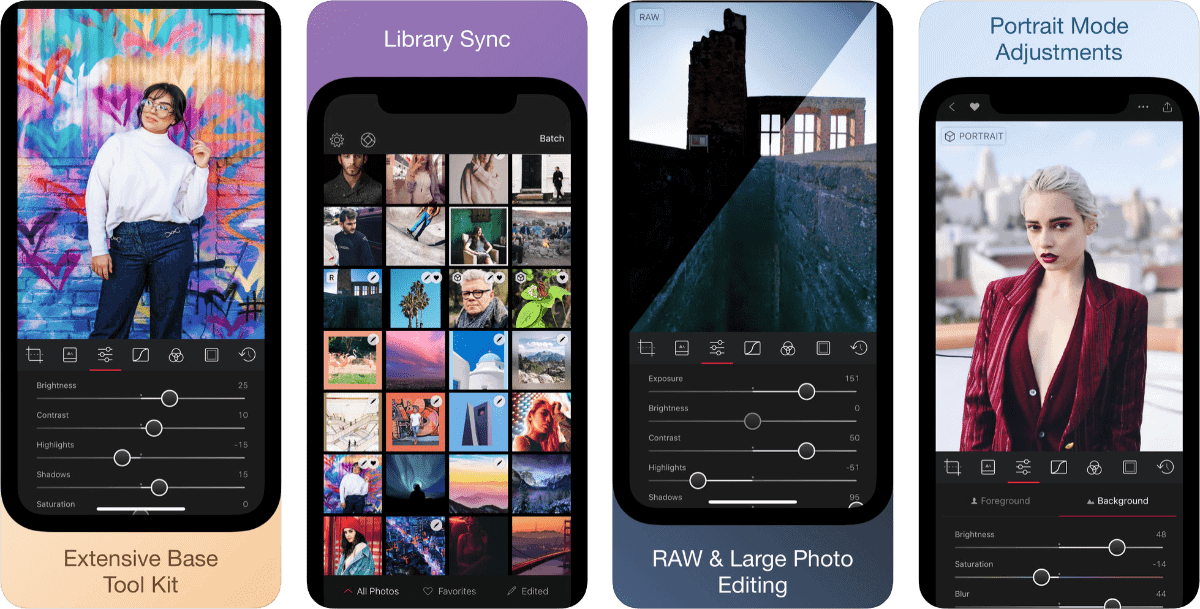
Darkroom 4.1 Adds Photos Extension, Editing in Files
Darkroom 4.1 adds more ways for users to edit images, including a new photos extension and the ability to open photos directly in Files. What’s new: Photos Extension: Edit your photos with Darkroom right within the Photos app; Import to Darkroom: As an alternative to the Photos Extension, hand over your photos from apps using the new Share Extension; Copy to Darkroom: Easily copy your photos from external storage services like Dropbox or the Files apps to the camera roll and edit in Darkroom; Drag and drop to Import: Photos now can be dragged and dropped, on iPad only, to Darkroom to be copied and edited; Imported Smart Album: One convenient place to track all the photos you imported and/or copied to Darkroom; Open: Right from the album picker you can tap on the “Open” to access any photos accessible through the Files app, and 3d-party services that integrate with it. App Store: Free (Offers In-App Purchases)

A 'No Deal' Brexit Will See EU Mobile Roaming Charges Return
LONDON – Britain’s departure from the EU has been delayed. Brexit was supposed to happen this Friday, but, depending on what happens in Parliament this week, will take place on either April 12th or May 22nd. An April 12th departure would mean Parliament had not agreed on a deal and a ‘No Deal’ Brexit was happening. That would see the return of roaming charges for Brits in Europe Wired reported. It will mean using your iPhone in Europe will become much more expensive.
The plan to reinstate roaming charges has been confirmed by the European Commission as part of documents outlining its preparations for the UK crashing out of the EU. “As it is increasingly likely that the United Kingdom will leave the European Union without a deal on 12 April, the European Commission has today completed its ‘no-deal’ preparations,” the Commission said in a statement…The Commission’s documents outline 19 legislative proposals covering everything from financial services to climate policy.

It's Now Easier to Delete Telegram Messages
With a new “delete everywhere” feature it’s now easier than ever to delete Telegram messages and erase your chat history.
The new ‘nuclear option’ delete feature allows a user to selectively delete their own messages and/or messages sent by any/all others in the chat. They don’t even have to have composed the original message or begun the thread to do so. They can just decide it’s time.

Apple's Event Livestream is Already Running
The livestream from the Steve Jobs Theater is up and running, hours before Apple’s event. Maps and movie star Chris Evans have been seen.