
The maintenance release includes no known new features, and it keeps Apple TV up with iOS 11.4.1, which was also released Monday.

Apple Releases iOS 11.4.1 with Two Bug Fixes and Security Patches
The maintenance release fixes two known bugs, in addition to a variety of security-related issues.
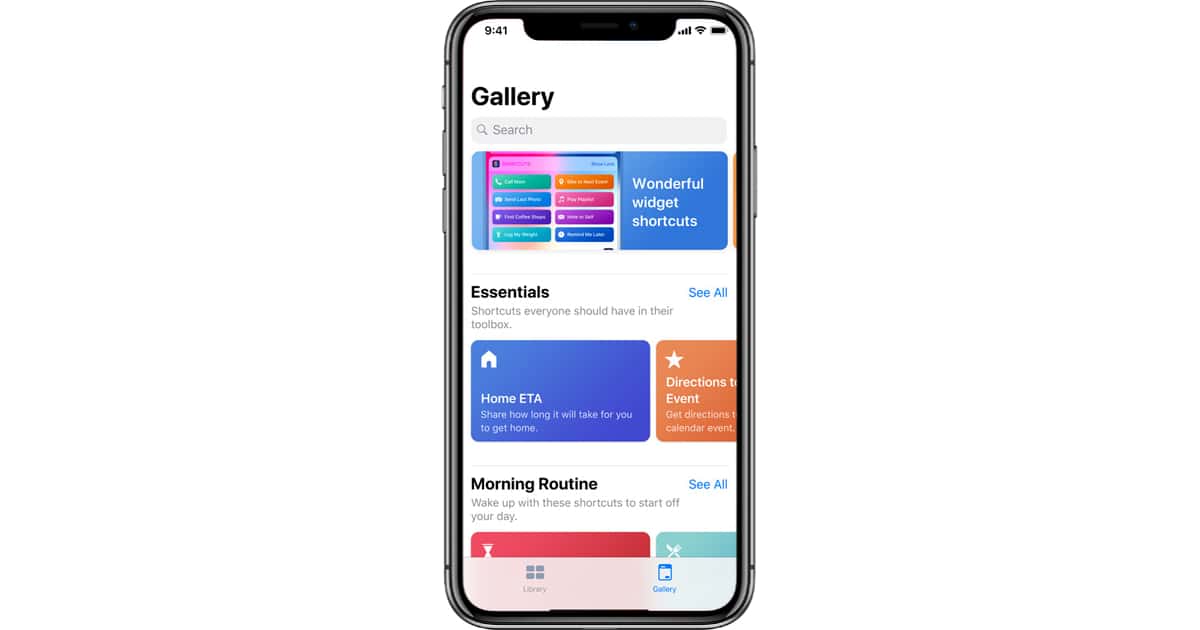
Find iOS 12 Shortcuts You can Try Out at Sharecuts
With Apple’s Shortcuts app now available for iOS 12 developer beta testers, the big question is, “What sort of automated actions can you create?” You can get started by checking out the Sharecuts website where you’ll find Shortcuts for uploading App Store links to Trello, getting your current location, sharing your own Shortcuts on Sharecuts, and more.

China is Becoming the King of Facial Recognition Surveillance
China is running headstrong in to surveillance with facial recognition and is already using the technology to identify and arrest criminal suspects. Right now the country is experimenting with facial recognition glasses police can wear to look for potential arrest targets. It’s pretty creepy and growing by leaps and bounds with China expected to have some 300 million cameras installed by 2020. Philip Elmer-DeWitt says on his Apple 3.0 blog that the iPhone and iPad maker is getting in on the game, too. He says:
I’m told by an analyst who tracks headgear technology that Apple is three to five years away from a marketable product. It sounds like the Chinese, unhampered by any privacy concerns—in fact, incentivized to surveil—may get there first.

Timehop Breach Exposes Millions of Phone Numbers
Timehop has been hacked and the company says personal data for 21 million users, including cellphone numbers, was taken.

AirPods, Phishing, Smart Home, and Resets – Mac Geek Gab Podcast 717
Tips and questions answered about iCloud Family Storage, Permissions, Converting video types, AirPods, FileMaker, and much more. Download, press play, and enjoy!

Samsung Smartphone Sales Growth Slows
It couldn’t happen to a nicer, Apple and Samsung Settle 7-Year Patent Battle, Terms Not Known, but Samsung’s smartphone sales growth is slowing. This, from Reuters:
South Korean tech giant Samsung Electronics Co Ltd estimated on Friday earnings grew at the slowest pace in more than a year in the second quarter, as analysts said weak smartphone sales likely offset record high chip earnings. Samsung shares fell 2 percent as the guidance gave investors insight into how badly the decline in smartphone profitability is hurting the company’s bottom line, after it warned in April of an earnings slowdown amid tougher competition.

New LSST Telescope Will Search for Asteroids on Collision Courses
An international team of hundreds of scientists is finishing construction of the LSST telescope, or Large Synoptic Survey Telescope. It will search for asteroids that are on a collision course with Earth. Despite our best technology it’s difficult to detect asteroids, let alone asteroids that are speeding toward our planet. The reason is that asteroids are dark; they don’t give off visible light and are hard to detect in the blackness of space.
With significant funding from the U.S. National Science Foundation, LSST will search for PHAs during its 10-year mission by observing the same area of sky at hourly intervals searching for objects that have changed position. Anything that moves in just one hour has to be so close that it is within our solar system.

3 Apple Videos Tell Local Soccer Stories - Shot on iPhone
They’re part of Apple’s ongoing World Cup tributes, but they’re local stories about small, local teams; they’re also gorgeous, being shot on iPhone.

Today, the Earth is Farthest From The Sun. Why So Hot?
In the northern hemisphere, at least. Yes, the Earth is farthest from the Sun, in its slightly elliptical orbit, in the northern hemisphere summer. And so it’s natural to ask why summer gets so warm. That’s a classic astronomy 101 question, and it’s nicely explained in this link at Gizmodo. (Image credit: NASA.) For more, see: “Aphelion Day 2018: Earth Is Farthest from the Sun Today.”