
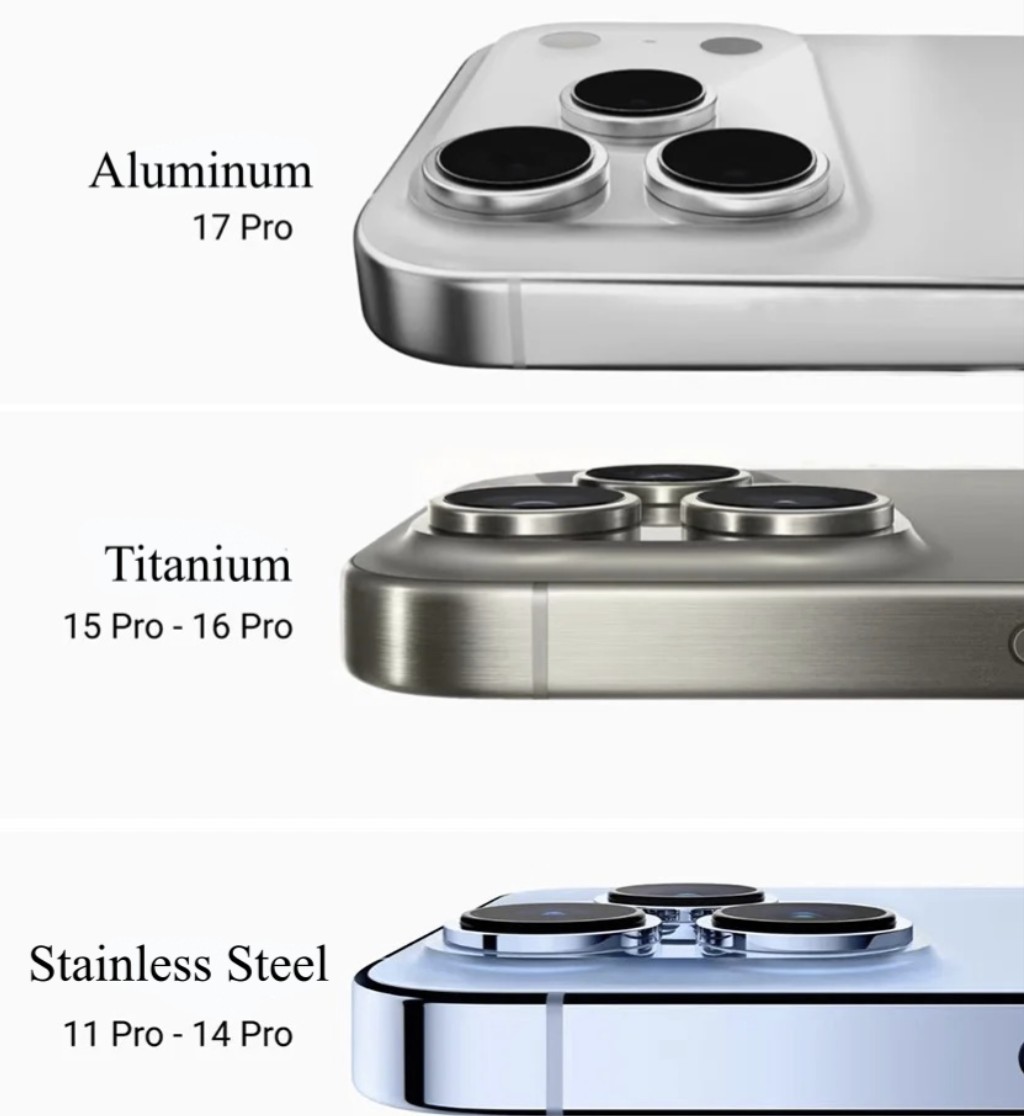
Reading through the community debate, I kept nodding at both camps. Some people equate heft with luxury; others say the frame material and finish matter far more. After living with Apple’s latest design turn, here’s my take—plus where the conversation lands once you factor in thermals, durability, and the unavoidable reality that many of us use cases anyway.
The “heft = high-end” instinct (and where it misleads)
There’s a reason metal credit cards are heavier on purpose: weight telegraphs substance. Stainless steel iPhones leaned into that, and the mirror finish sold the jewelry vibe. But weight can also cross into fatigue and slipperiness—especially on the larger models—so “heavier = nicer” isn’t a universal truth. In practice, the most premium feeling is the one you can hold comfortably for hours without hand fatigue.
If you want a sense of where today’s models land, our quick spec overviews (like iPhone 17 Pro vs 16 Pro: is the upgrade worth it? and iPhone 17 Pro: Weight and Screen Size) make clear that Apple is keeping weight in a tight, “balanced” band rather than chasing density for its own sake.
Don’t miss the best of The Mac Observer
Set us as a preferred source and our Apple reporting ranks higher in your Google Search results and Discover feed — one tap, no account changes.
Material matters—just not for the reason people think
Stainless steel looks expensive in photos, but it picks up fingerprints and micro-swirls fast. Titanium wears better and trims grams, but it’s trickier (and costlier) to machine. Aluminum is lighter and easier to finish—but on the 17 Pro it’s not a step “down,” it’s a step sideways with a purpose: heat.
Apple’s move to an aluminum unibody reframes the debate. Instead of a decorative band wrapped around glass, the body itself becomes a big, thermally active structure that spreads heat away from the hotspots created by modern chips, cameras, and AI workloads. That engineering trade is why we argued in Why Apple Traded Titanium for Aluminum on iPhone 17 Pro that this isn’t cost-cutting theater—it’s function over flash.
You see the same theme in our launch coverage (aluminum unibody plus vapor-chamber cooling) and Pro vs. Air positioning: the Pro chases sustained performance; the Air keeps the ultra-sleek, polished titanium feel for people who prioritize “prettier and thinner.” See iPhone 17 Pro Launch: Features, Specs, Price and iPhone Air announced—Apple’s thinnest iPhone ever with titanium build for the split in philosophy.
Durability and finish: luxury is how it ages
A “premium” object shouldn’t demand babying. That’s where brushed finishes (titanium, anodized aluminum) often win over glossy steel: they hide wear and keep the look cohesive over time. The 17 Pro’s geometry shift to a forged, plateau-style unibody isn’t just a new silhouette—it reduces the number of seams and stress points versus a glass-sandwich design. That helps with drop resilience and makes thermal paths more predictable under load. We walk through the structural logic in iPhone 17 Pro vs 16 Pro and our September event recap.
The case effect (aka: why many never feel the metal)
A big chunk of commenters admitted they live in a case. If that’s you, “premium feel” shifts from frame material to balance, edge radius, buttons, haptics, and—new this year—the system’s visual and tactile language. iOS 26’s Liquid Glass aesthetic and motion feel contribute a lot to perceived quality, because the “feel” you touch most is software. If you want to tune it, start with Liquid Glass explained and How to make iOS 26 less animated.
So—what actually feels premium?
My hierarchy after all the back-and-forth:
- Thermal comfort and sustained performance. If the phone stays cool and fast during heavy camera or AI tasks, it feels expensive—because it behaves like pro hardware. That’s the best argument for the aluminum unibody on Pro. See Why Apple traded titanium for aluminum and our Pro vs Air differences that matter.
- Wear and finish. Frames that hide scratches and resist smudges age “premium.” Brushed/anodized surfaces generally beat mirror steel in real life.
- Ergonomics. Thickness, edge rounding, and weight distribution trump raw grams on a spec sheet. The current Pro’s weight sits in that balanced zone, not “brick for brick’s sake.” See Weight and screen size.
- Software feel. Haptics, animations, and polish are the “material” you touch all day. iOS 26’s visual language—if tuned to your taste—elevates the experience as much as any alloy. Start with Liquid Glass explained.
Bottom line
Weight can hint at luxury, but it doesn’t guarantee it. Material can look premium, but it’s how the phone runs, wears, and feels over time that actually sells the experience. Apple’s latest Pro leans into that lesson: less about shiny bragging rights, more about a chassis that keeps the chip cool, the battery happy, and your hand comfortable—while iOS 26 does its part to make every interaction feel intentional.




Discussion