
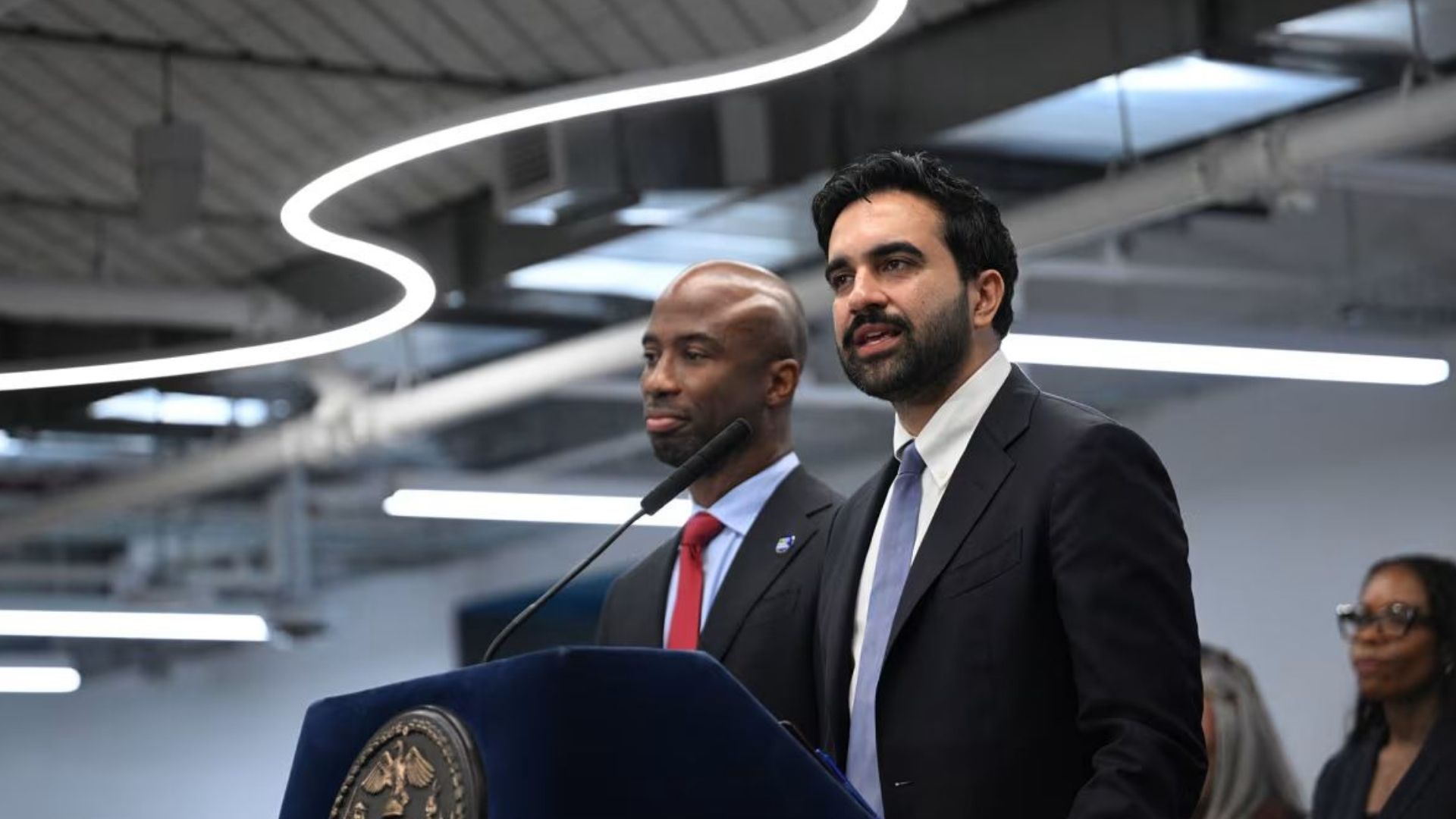
The nation’s largest public school system is putting a hard pause on artificial intelligence in the classroom. New York City Mayor Zohran Mamdani and Schools Chancellor Kamar Samuels announced a temporary ban on student-facing generative AI tools for children in early education programs through the eighth grade. The new one-year moratorium takes effect for the upcoming school year as the district steps back to study the technology’s overall impact on early learning.
The one-year ban blocks chatbots and sets screen time limits
The new rules apply to nearly 600,000 students, representing roughly two-thirds of total enrollment in the district. Under the policy, schools will prohibit all software that features generative artificial intelligence meant for students to use directly. This includes any companion chatbots, which are now banned across all grade levels.
Educators receive a few exceptions to the new rules. Teachers can still use AI programs for their own behind-the-scenes work, like planning lessons or handling operational tasks, as long as the tools meet the district safety standards. Schools will also allow assistive technology for students with disabilities and those enrolled in certain career readiness programs.
Don’t miss the best of The Mac Observer
Set us as a preferred source and our Apple reporting ranks higher in your Google Search results and Discover feed — one tap, no account changes.
Alongside the software ban, the city is rolling out strict screen time limits to keep younger children focused on human interaction. Students in the second grade and below face a complete restriction on one-on-one screen time. Children in third through fifth grade are capped at 30 minutes daily, while middle schoolers get a maximum of 45 minutes per day.
High schoolers test new software and attend dedicated literacy classes
While younger students are cut off from text generators like ChatGPT and Claude, high schoolers will take a different path. The district plans to introduce technology literacy courses for older students twice a year. These sessions will cover what the software actually does, while exploring potential biases, ethical concerns, and how these systems might impact future careers.
Additionally, the city will launch five limited pilot programs for up to 50,000 high school students in general education classes. These students will test specific platforms under the direct supervision of trained teachers before the district considers rolling them out more broadly.
A coalition of parents, teachers, and experts will spend the next year reviewing the results of both the ban and the high school pilot programs. Their findings will eventually guide New York City on how to handle digital learning tools over the long-term, setting a precedent that other major districts across the country will likely follow.



Discussion