
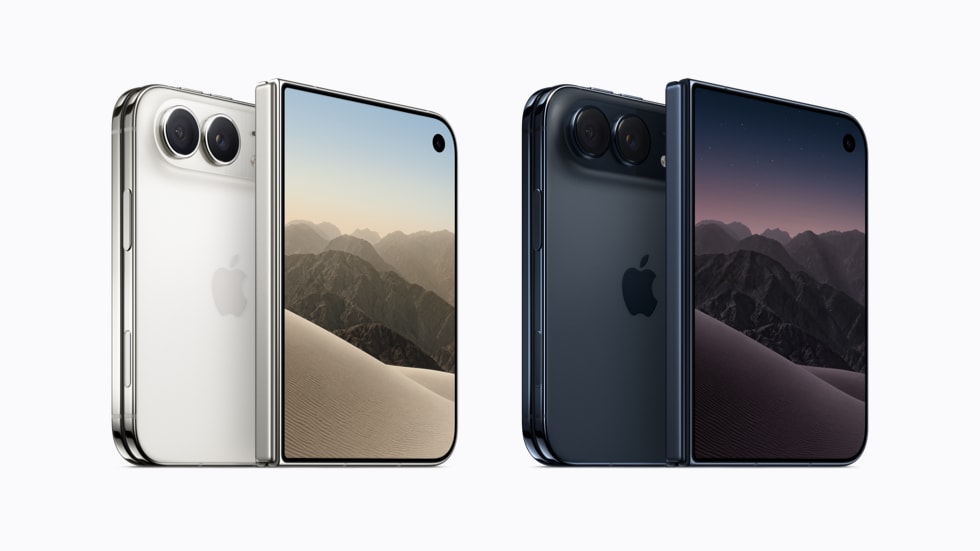
A video shared by Ice Universe shows a film being peeled back from a display identified as the iPhone Duo’s inner screen, exposing a glossy surface with pronounced ripples in reflected light. The clip offers a striking look beneath the matte layer, although it does not establish whether the unevenness existed before removal.
Apple already says the Duo’s nano-texture finish makes its crease less visible. What this demonstration leaves open is how much of the exposed surface’s appearance comes from its original construction, the removal process, or the condition of this particular assembly.
What the iPhone Duo display video shows
In the roughly 30-second clip shared on X, hands progressively peel a broad sheet away from a dark display lying on a workbench. Tweezers and electronic components are visible nearby, and the screen assembly has exposed edges.
Don’t miss the best of The Mac Observer
Set us as a preferred source and our Apple reporting ranks higher in your Google Search results and Discover feed — one tap, no account changes.
As more of the sheet lifts, the uncovered surface becomes highly reflective. The person handling it tilts the assembly, causing a bright reflection to travel across it and revealing wavy contours, particularly around the central region.
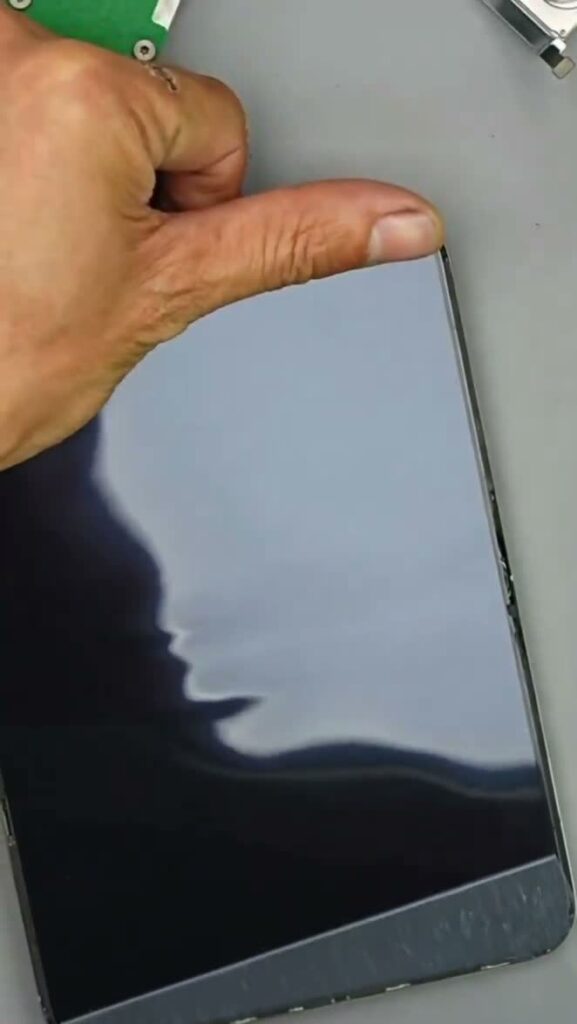
Near the end, the sheet is lifted clear and the assembly is turned sideways for another look. The footage shows reflected light rather than an active home screen or test image, so it does not demonstrate how the panel renders content or responds to touch.
Apple says the matte finish reduces crease visibility
Apple describes the inner screen’s nano-texture finish as a way to reduce glare and reflections while making the fold less noticeable. Its iPhone Duo announcement also identifies a scratch-resistant coating and a cover layer made from a custom polymer.
The finish is therefore part of how the completed display is designed to look. A more obvious contour after removing it would be consistent with the finish helping conceal surface variation, but it would not, by itself, demonstrate a fault during ordinary use.
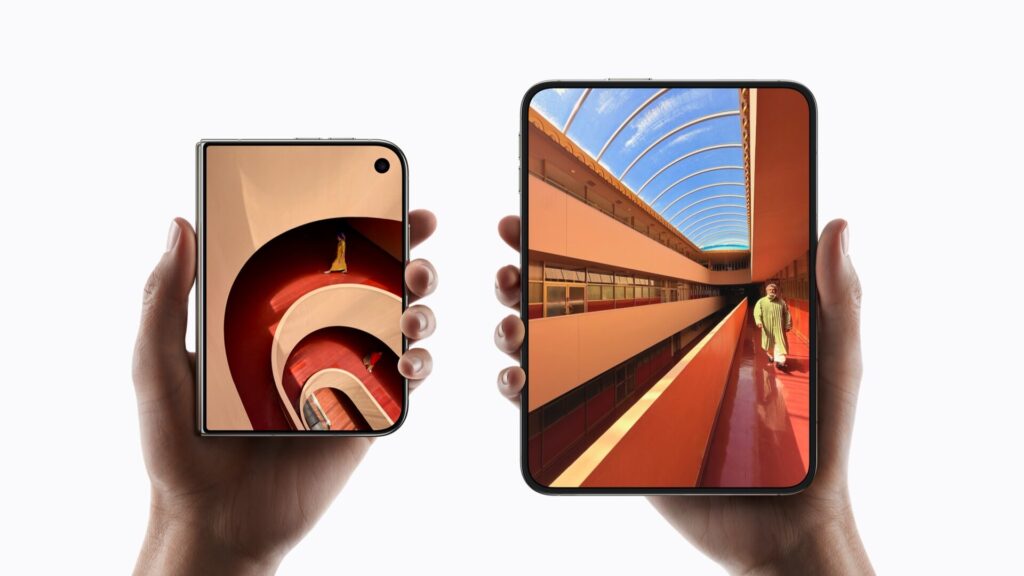
Our explanation of Apple’s nano-texture claim covers the distinction between making a crease harder to see and eliminating the physical fold.
Why removal leaves the cause of the ripples unclear
Apple’s product FAQ says optically clear adhesives let the display layers move as the screen folds, reducing stress and the crease. That description matters because the screen is a layered assembly.
Peeling away a layer changes the assembly being examined. The clip does not provide a controlled comparison of the intact and stripped surfaces under identical lighting, nor does it document the panel’s history before filming.
The visible ripples cannot establish which layer is responsible or whether removal introduced or worsened them. They also cannot show how common the same appearance might be across other units.
What has not been confirmed
The device identification comes from the accompanying post; the footage does not show a working interface or identifying information that independently confirms the model. It also leaves the panel’s prior condition and long-term performance unresolved.
The Mac Observer has previously covered the Duo’s replaceable display cover. That report did not establish an at-home replacement procedure, and this clip provides no evidence that using the screen without its cover is advisable.
The useful follow-up is a documented comparison with an intact unit, including image quality and touch testing. For now, the footage shows what a stripped display can look like under reflections, without establishing a widespread defect in the finished iPhone Duo.


Discussion