
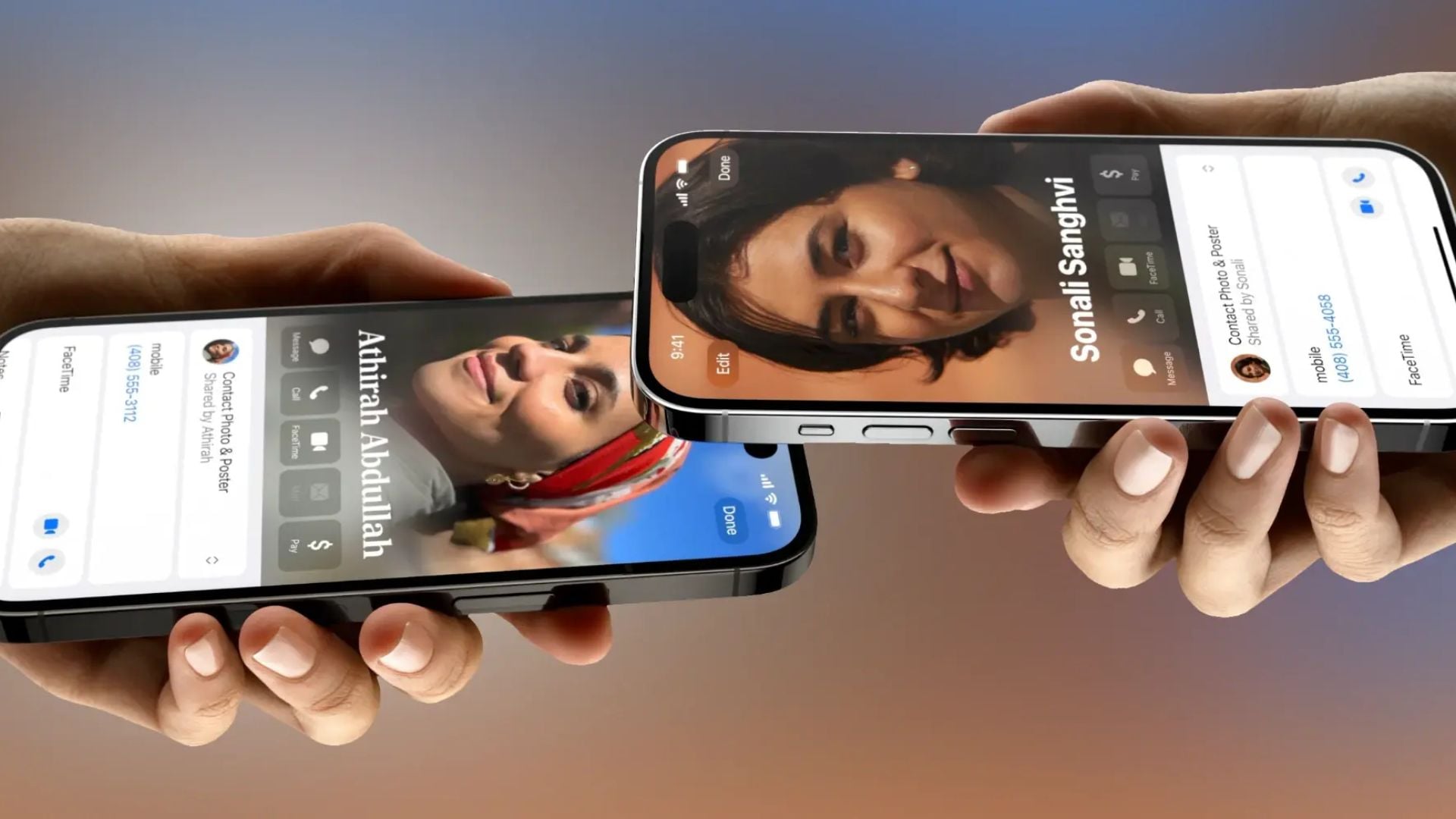
A U.S. startup named GG Technologies is suing Apple in India over the NameDrop contact-sharing feature, asking a court to block local sales and imports of affected devices. The company filed the case in the Bombay High Court in October, seeking 15 billion rupees, or roughly $162 million, in damages. GG Technologies claims the built-in tool copies its patented contact-sharing system without permission.
GG Technologies claims NameDrop copies its StayTouch app patent
GG Technologies is the creator behind StayTouch, a contact-sharing app that launched in 2019. According to court filings seen by TechCrunch, the startup applied for an Indian patent in 2021 and received approval in July 2024. The patent covers technology that allows nearby phones to swap contact details without requiring users to pair their devices manually beforehand.
In its lawsuit, the startup argues that NameDrop infringes on this patent. It is asking the court for an injunction that would stop Apple from importing or selling any iPhone or Apple Watch models that support the feature in India. The Bombay High Court has not yet scheduled a hearing date for the case.
Don’t miss the best of The Mac Observer
Set us as a preferred source and our Apple reporting ranks higher in your Google Search results and Discover feed — one tap, no account changes.
Mediation failed in India as a U.S. investigation moves forward
Before taking the fight to the Bombay High Court, both companies attempted mediation, which ended without an agreement. The Indian lawsuit is also part of a broader legal battle between the two firms. GG Technologies previously sued Apple in the United States in April over related patent infringement claims.
Following a complaint from the startup, the U.S. International Trade Commission opened its own investigation into Apple in August. In the U.S. case, GG Technologies is pushing for a similar order that would block imports and restrict sales of devices carrying the feature.
Apple originally introduced NameDrop in June 2023 as part of iOS 17. The feature lets people share contact cards simply by holding two compatible devices close together, though it still requires users to tap and confirm the transfer. While handy in theory, many users rarely think about the tool, leaving questions about how widely it gets used day to day.
As the Bombay High Court prepares to list the case, Apple faces growing pressure to defend a minor software feature on two different continents.



Discussion