
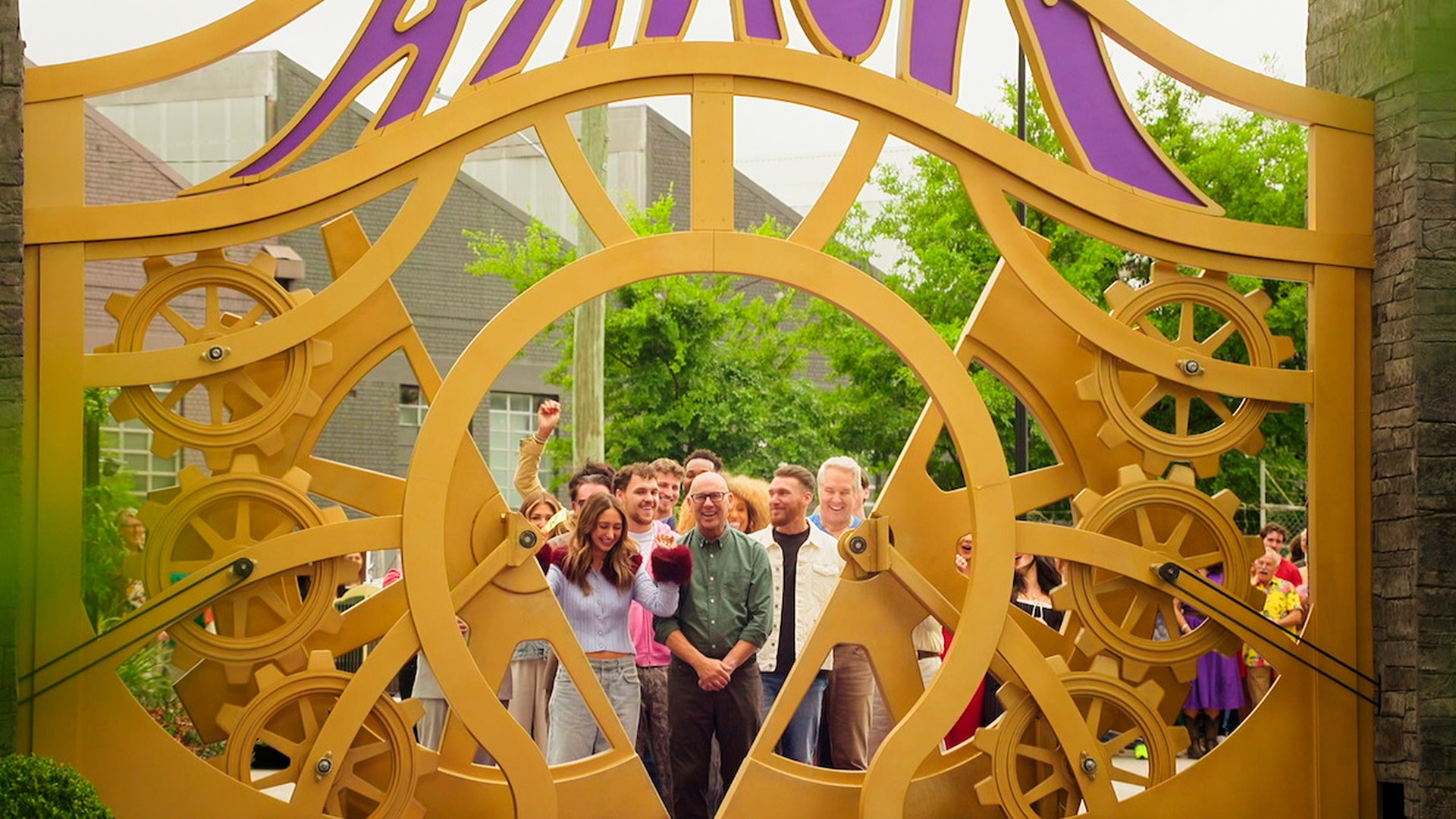
Wonka’s The Golden Ticket uses a recreated Gene Wilder voice because the reality series is designed as a direct tribute to the 1971 film. The production obtained consent from Wilder’s estate, which says the approach honors the warmth and imagination of his performance.
That permission answers the legal and family-consent question, but it does not end the creative debate. Viewers are asking whether a synthetic imitation preserves a performance or turns an actor’s distinctive work into reusable branding after death.
- Premiere: September 23, 2026
- Voice recreated: Gene Wilder as Willy Wonka
- Estate consent: Confirmed
- Genre: Reality competition
- Streaming on: Netflix
The voice places the show inside the 1971 world
Netflix’s competition borrows the factory, Oompa Loompa imagery and moral temptations associated with Wilder’s film. Using his vocal identity makes Wonka feel like the unseen authority controlling the rules even though a new actor is not physically playing the character.
Don’t miss the best of The Mac Observer
Set us as a preferred source and our Apple reporting ranks higher in your Google Search results and Discover feed — one tap, no account changes.
The series reinforces that link by bringing back Rusty Goffe as an Oompa Loompa and rebuilding recognizable factory spaces. From a production perspective, the recreated voice is meant to connect separate games into one continuous Wonka presence.
Consent does not settle the performance question
Wilder’s estate approved the use, an important distinction from an unauthorized imitation. His wife has described the show as a way to celebrate the joy his performance still gives audiences. That approval gives the choice a documented chain of permission.
Critics nevertheless argue that consent and artistry are different tests. A generated voice can reproduce surface qualities without Wilder making a new interpretation, choosing emphasis or responding to a scene. Calling the result his performance would therefore blur the line between an actor and a model trained to resemble him.
The disclosure matters as much as the technology
The fairest presentation is to identify the voice clearly as a recreation. Viewers can then judge the effect without believing previously unheard Wilder recordings were found. Transparency also prevents a tribute from quietly becoming a substitute for hiring performers.
There is also a labor question behind the debate. A synthetic voice is not just an effect when it occupies a role that a living performer, impressionist or narrator might otherwise fill. Estate approval protects one important interest, but productions still have to explain how the material was made, what recordings informed it and where its use ends. Clear limits would distinguish this specific tribute from an open-ended right to create new Wilder dialogue for unrelated projects. Without those boundaries, a carefully approved homage could become a precedent much broader than the show itself.
The controversy is not simply pro- or anti-AI. It asks who can authorize a likeness, how audiences are informed and whether nostalgia justifies simulation. Does estate consent make this use acceptable to you? Share your view in the comments.


Discussion