

If you rely on wearable health features, you may be wondering: Can Apple Watch predict your cycle correctly? Apple Watch includes Cycle Tracking as part of its health tools, but understanding how accurate those predictions are and what they’re based on is important before relying on them.
This article explains how Apple Watch predicts menstrual cycles, how reliable those predictions are, and what factors can affect accuracy.
Table of contents
How Cycle Tracking Works on Apple Watch
Apple Watch uses the Cycle Tracking feature in the Health app to estimate period and fertile window predictions. These predictions are primarily based on:
Don’t miss the best of The Mac Observer
Set us as a preferred source and our Apple reporting ranks higher in your Google Search results and Discover feed — one tap, no account changes.
- Logged period dates
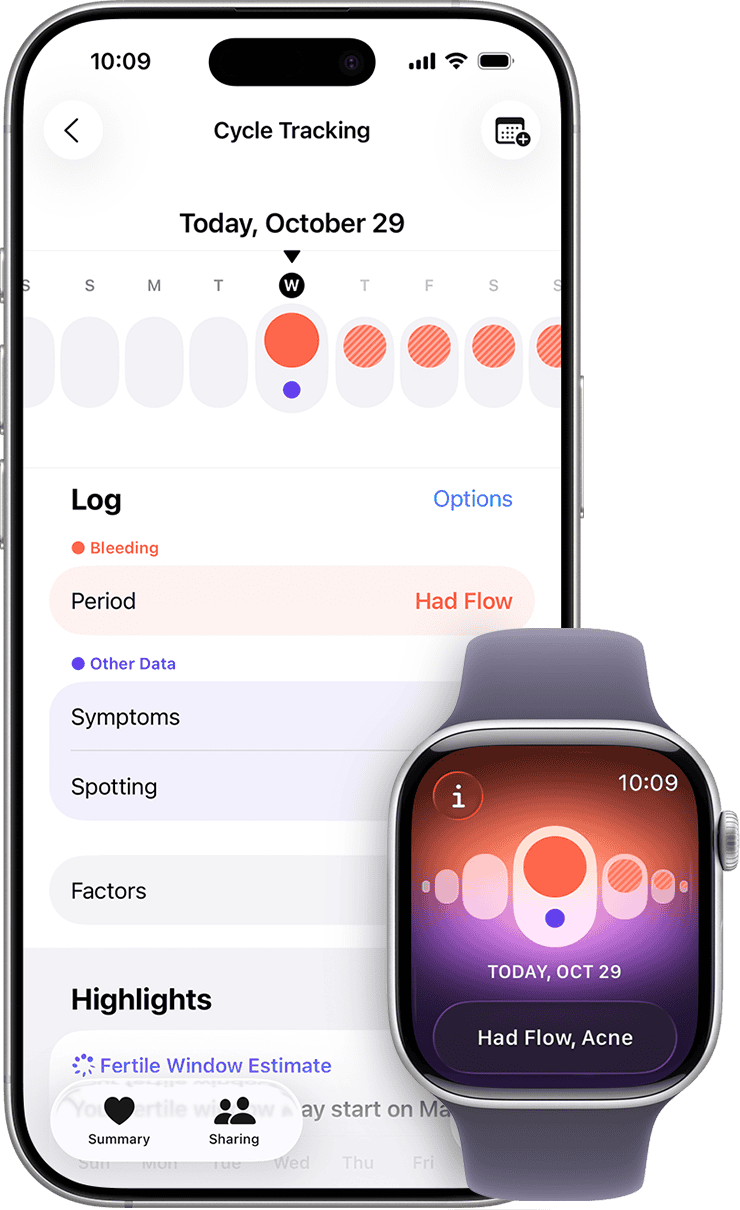
- Cycle length history
- Optional symptom tracking

Over time, the system adjusts predictions as it gathers more data.
Apple explains the basics of this feature in its guide on how to track your menstrual cycle with Apple Watch, including how predictions are generated and updated.
Does Apple Watch Actually Predict Cycles Accurately?

Image Source: Apple
For users with regular menstrual cycles, Apple Watch predictions are generally reasonable after a few months of consistent logging. The system works best when:
- Periods are logged accurately
- Cycles are relatively consistent
- Data is recorded over several months
However, Apple Watch does not directly measure hormonal changes. Predictions are statistical estimates rather than medical determinations.
What Apple Watch Gets Right

Image source: ABC News
Apple Watch can be helpful for:
- Estimating upcoming period dates
- Sending reminders before a predicted cycle
- Identifying general cycle patterns over time
These features are especially useful for users looking for awareness and planning rather than medical-level precision.
Recent updates to Cycle Tracking have expanded its use cases. MacObserver covered these changes when Apple introduced new Cycle Tracking on Apple Watch capabilities in watchOS updates.
Where Cycle Predictions Can Fall Short
Cycle predictions may be less accurate if:
- Cycles are irregular
- Stress, illness, or travel disrupts patterns
- Hormonal conditions affect cycle length
- Data is logged inconsistently
A peer-reviewed study published on PubMed Central highlights cycle prediction accuracy limitations in period-tracking apps, showing that many users experience differences between predicted and actual cycle dates. This reinforces that predictions should be treated as guidance, not guarantees.
Apple Watch and Fertility Predictions

Image Source: GMA
Apple Watch also estimates fertile windows, but these are based on cycle averages rather than direct ovulation detection. While helpful for general awareness, they should not be used as a sole method for pregnancy planning or prevention.
Apple itself advises that Cycle Tracking is not intended for contraception or medical diagnosis.
How Software Updates Affect Accuracy
Apple continues to refine health features through watchOS updates. MacObserver has reported on broader watchOS 11 Cycle Tracking updates, which aim to improve how users log and interpret reproductive health data.
Even with improvements, accuracy still depends heavily on user input and cycle consistency.
How to Improve Cycle Prediction Accuracy
To get the most accurate predictions:
- Log periods consistently
- Update data as soon as cycles begin or end
- Track symptoms when possible
- Allow several months for patterns to stabilize
The more consistent the data, the more reliable the predictions become.
Final Takeaway
So, can Apple Watch predict your cycle correctly? For users with regular cycles who log data consistently, Apple Watch can provide reasonably accurate estimates for period timing and general cycle patterns.
However, predictions are not medically precise and can vary due to lifestyle, health, and hormonal factors. Apple Watch Cycle Tracking works best as a planning and awareness tool, not a replacement for medical advice or fertility tracking methods.


Discussion