
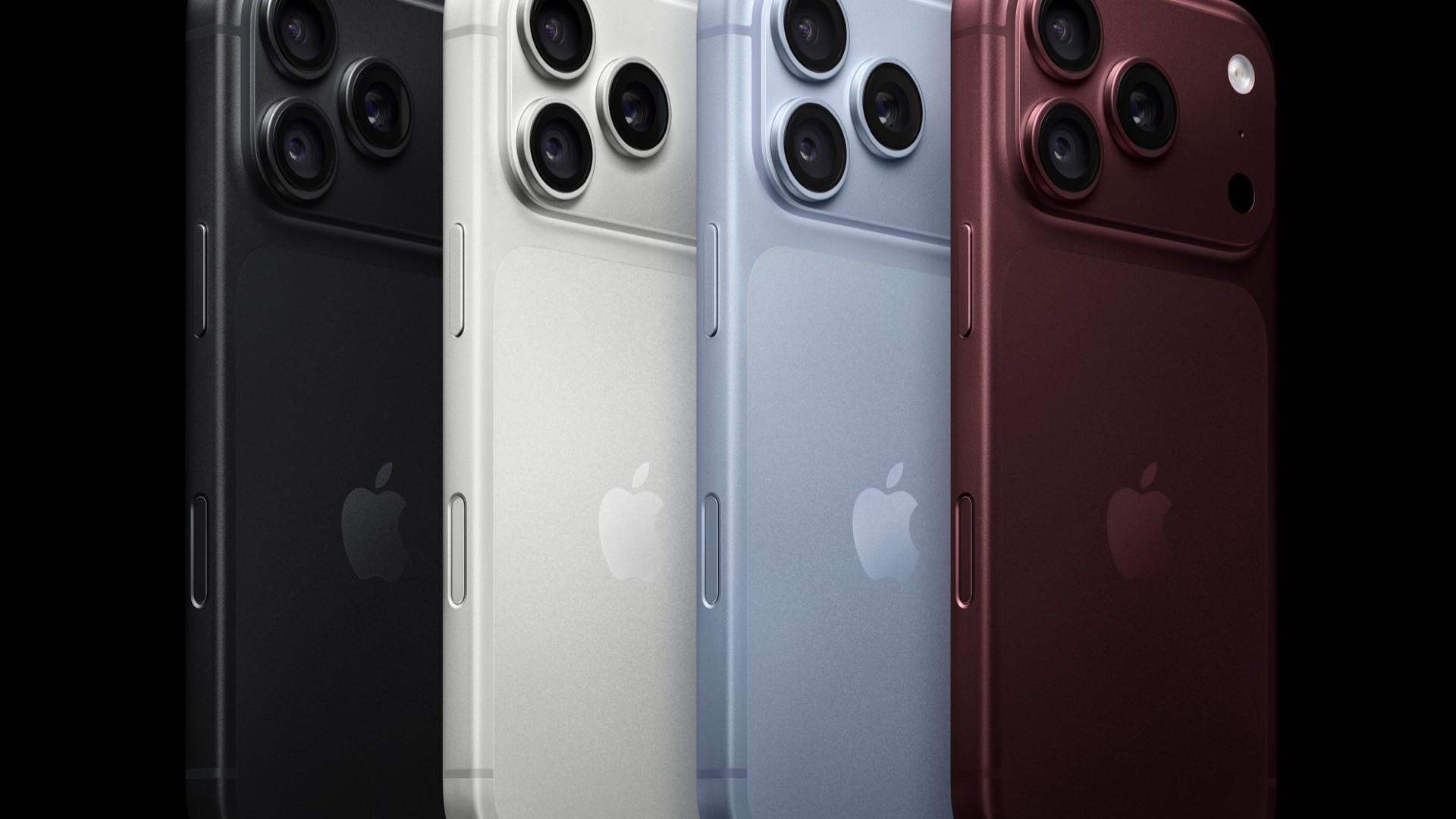
Apple could remove the traditional polarizer from iPhone Pro displays in 2029, bringing a thinner and potentially more power-efficient OLED design to its conventional flagship phones. The change is forecast for both iPhone Pro and Pro Max, but Apple has not announced the technology or a 2029 product plan.
UBI Research forecasts that Apple will adopt Color Filter on Encapsulation, or CoE, for the two Pro models released in the second half of 2029. The display analyst firm expects Apple to begin using the approach with its 2026 foldable iPhone, then extend it to higher-volume slab phones three years later.
What a polarizer-free OLED changes
A conventional OLED polarizer cuts reflections but also absorbs some of the light produced by the panel. CoE removes that layer and places a color filter above the encapsulation layer instead. In principle, a manufacturer can use the extra light efficiency for higher brightness at the same power level or similar brightness with lower power consumption.
Don’t miss the best of The Mac Observer
Set us as a preferred source and our Apple reporting ranks higher in your Google Search results and Discover feed — one tap, no account changes.
Removing the polarizer can also make the display stack thinner. That does not guarantee a thinner iPhone, because Apple could use the recovered internal space for the battery, cameras, cooling, or other components. Reflection control also becomes harder, requiring careful work on filters, black pixel-defining layers, coatings, and optical compensation.
The reported path begins with a folding screen, where thinness and power efficiency are especially valuable. Our iPhone Duo display guide details Apple’s current dual-OLED design, while our look at Duo-only hardware explains how the foldable already serves as a test bed for display changes unavailable elsewhere.
A forecast, not an Apple roadmap
UBI Research expects Samsung Display and LG Display to lead early CoE supply, building on their premium OLED experience. Those supplier positions, the second-half 2029 timing, and the claimed progression from Duo to iPhone Pro remain analyst expectations.
Apple has not confirmed CoE for any iPhone, disclosed its display suppliers, or named products due in 2029. Three years is ample time for panel yields, costs, or Apple’s design priorities to change, so the report is best read as a supply-chain forecast rather than a settled specification.


Discussion