
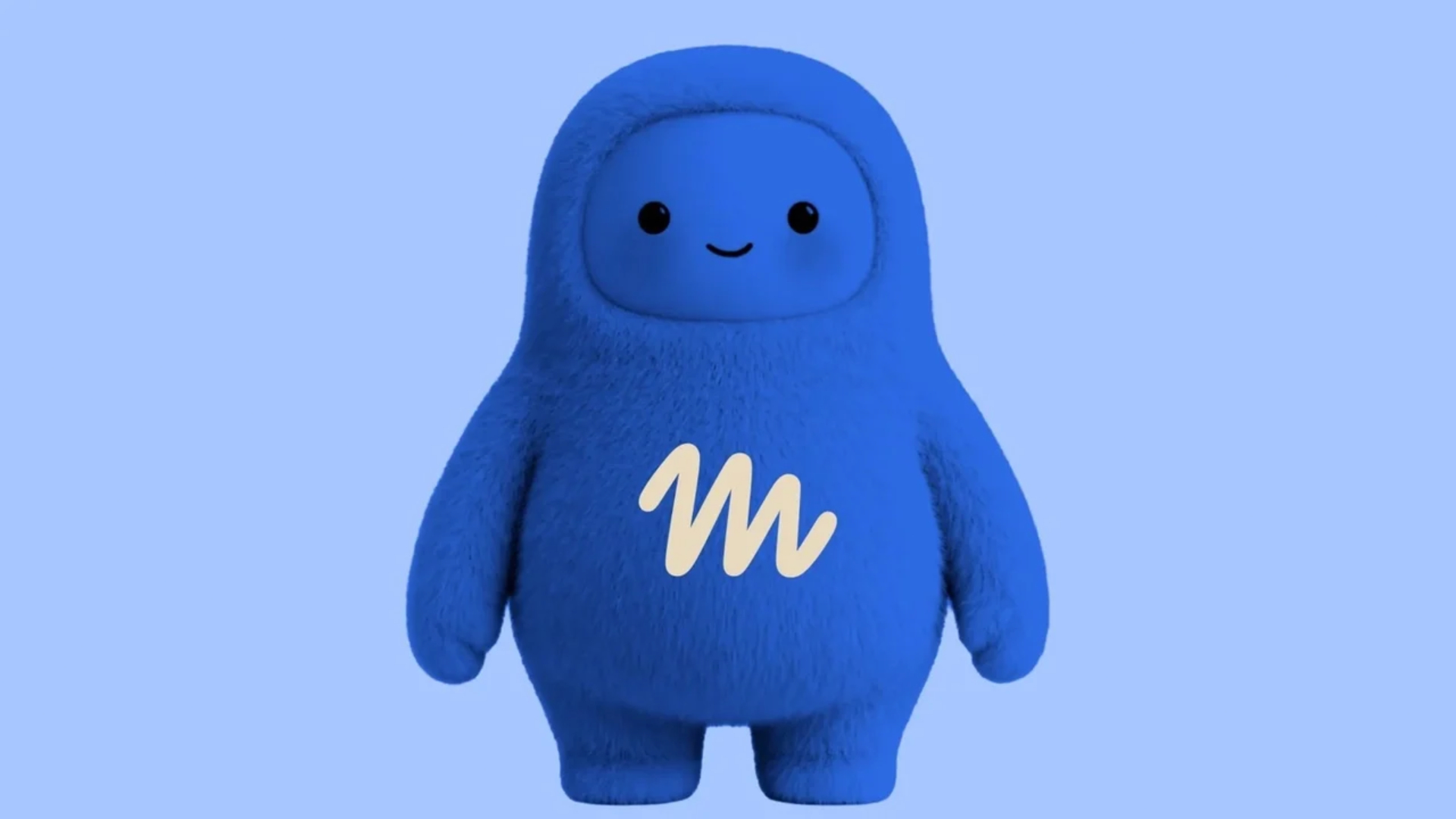
Meta denies that its new Muse personal agent is built on OpenClaw, but the company is not denying the visible influence. Muse uses several familiar ideas from the open-source agent, including persistent memory files, tool instructions and a messaging-style relationship with the user.
Meta product chief Nat Friedman said on X that Muse was built from scratch. In a follow-up, he said the product was heavily inspired by OpenClaw after his team concluded that several of its conventions were well designed.
The similarities include file names such as SOUL.md and memory documents, as well as phrasing used to guide an agent’s personality and behavior. They also share the broader idea of an assistant that works over time, uses tools and communicates like a contact rather than a conventional search box.
Don’t miss the best of The Mac Observer
Set us as a preferred source and our Apple reporting ranks higher in your Google Search results and Discover feed — one tap, no account changes.
Inspiration is not proof of shared code
Matching names and product patterns do not by themselves establish that Meta copied OpenClaw’s source code. No inspected source in this assignment demonstrates a shared codebase. Meta’s position is that it rebuilt the system so it could add isolation, approval controls and infrastructure suitable for a much larger audience.
Meta describes Muse as running in a dedicated secure virtual machine with a separate Sentinel agent that approves outbound actions. The company also says users choose connected services and can review an audit trail. Those are Meta’s stated safeguards, not an independent security certification.
The distinction matters because OpenClaw’s openness and local control are central to its appeal, while Muse asks users to trust Meta’s hosted environment. MacObserver’s Muse launch overview explains that permissions tradeoff, and its report on Muse reaching the top of the iPhone chart shows how quickly the simpler approach attracted attention.
For now, “inspired by” is supported by Meta’s own statement. Claims that Muse is merely an OpenClaw wrapper remain unverified.



Discussion