
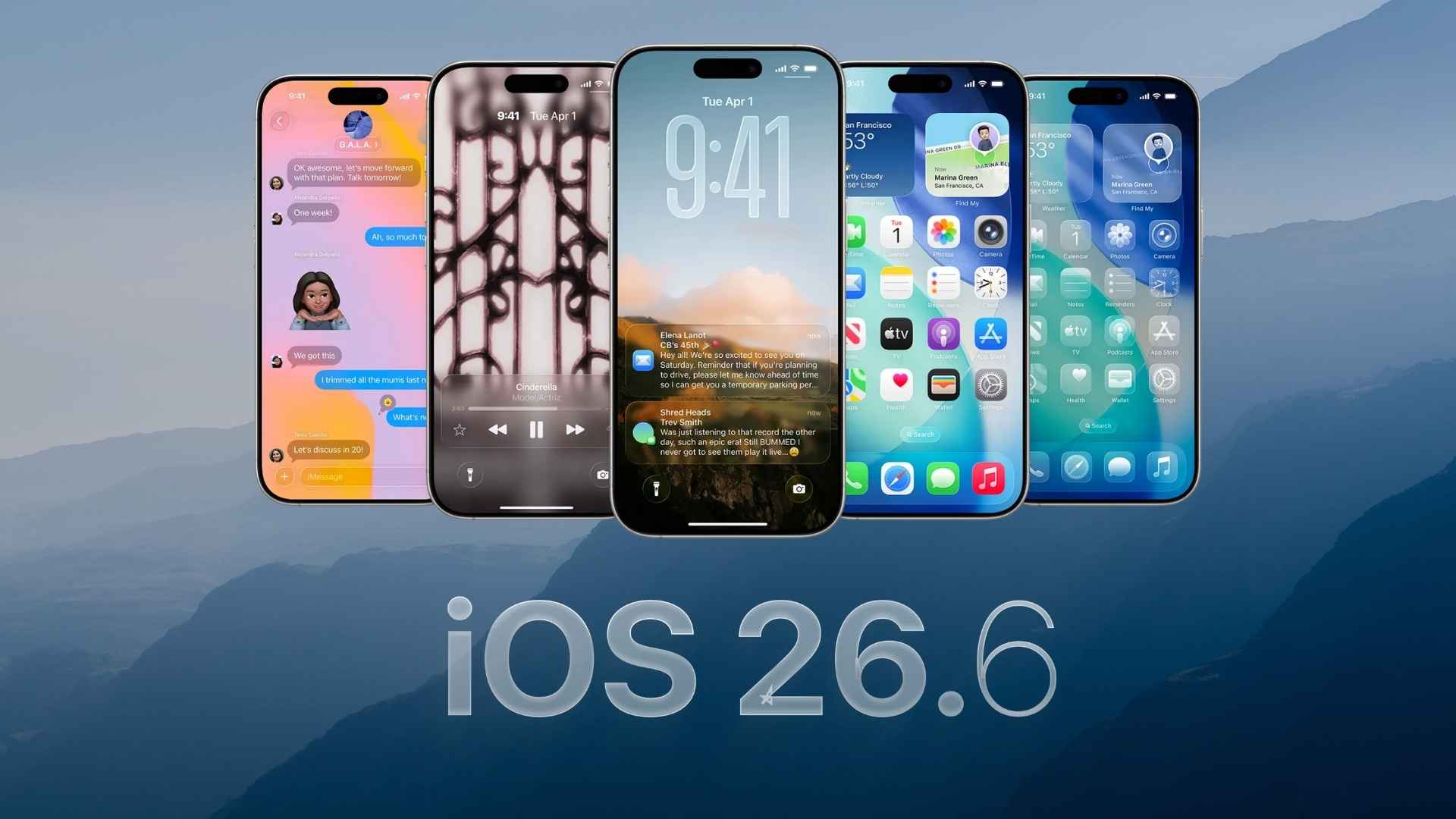
If you own an iPhone, it is time to check your settings for a software update. Apple just released iOS 26.6 to the public, and while it might not bring flashy new features, it packs a serious punch when it comes to keeping your device safe. The update arrives just a month after the previous security patch and includes more than 75 specific fixes for vulnerabilities that could put your personal information at risk.
The update patches multiple vulnerabilities that threaten personal data
One of the biggest issues fixed in this release involves the iPhone Mirroring feature. Before this update, an attacker could potentially use this tool to access sensitive user data. Apple closed this gap by improving how the system manages its internal state. The update also removes vulnerable Siri code that previously gave malicious apps a backdoor to access your private information.
The Contacts app received three separate security enhancements as well. Thanks to improved validation checks, apps can no longer add new contacts without your explicit permission, and processing a maliciously crafted contact file will no longer leak your data.
Don’t miss the best of The Mac Observer
Set us as a preferred source and our Apple reporting ranks higher in your Google Search results and Discover feed — one tap, no account changes.
To make sure your device is secure, head over to the settings menu on your Apple smartphone and install the new software as soon as possible.
The release stops malicious apps from gaining root access
Several fixes in this round target the core of the operating system, known as the kernel. Ten of the patched kernel issues allowed apps to unexpectedly shut down the system, while others let apps access sensitive data and write into the device’s memory. The company fixed these by improving memory handling and adding stricter bounds checks.
Additionally, the update patches a major vulnerability in MediaRemote that previously allowed apps to gain root privileges, essentially giving them full control.
It also includes fixes for Apple Books to stop apps from accessing protected parts of your file system, and eight separate WebKit patches to keep you safe while browsing the web in Safari.


Discussion