
Dr Mac joins Kelly to give an update on the ergonomic keyboard search, and plead the case for security updates.
This Hardware Hack Gives iPhone Dual-SIM Support
In China, owners of the iPhone XR, iPhone 11, and iPhone 12 models enjoy dual-SIM support. This means they can insert two nano-SIMs, even from different carriers, into their phones. This feature is only available in China, and Apple doesn’t provide the configurations anywhere else. In the iPhone 12, of course, you have the possibility of using your physical SIM card along with a second, digital eSIM. YouTuber Hugh Jeffreys , however, had the idea to try swapping the SIM reader and tray in a non-Chinese iPhone for one from China. Surprisingly, the hardware hack works and provides dual-SIM support for non-Chinese iPhones. It’s definitely an advanced-level task, since it requires removing the display from your device. Still, if you want to have support for two physical SIM cards in your iPhone, it definitely seems within reach.

Apple Original Films Set to Secure Rights For Matthew Vaughn's 'Argylle'
Apple Original Films is set to scoop up the rights to Argylle, the latest film from Matthew Vaughn, but ‘Little Voice’ is not being renewed.

Backup Tool ‘iMazing’ Updated to Detect Pegasus Spyware
The team behind iMazing has updated their tool to detect NSO Group’s Pegasus spyware. You don’t have to buy an iMazing license to scan for it.
It would therefore be possible to relatively quickly re-implement MVT’s methodology in our toolkit, and integrate a user-friendly ‘wizard’ in iMazing’s user interface. And because iMazing can already perform iOS backups and decrypt backup files, the tool we envisaged had the potential to dramatically reduce the technical barrier of entry whilst enhancing performance and promoting backup encryption.

ScreenHits TV Streaming Aggregator Bringing 'TV Friends' Social Feature to iPhone and iPad
Content and platform aggregator ScreenHits TV is set to roll out a new ‘TV Friends’ social feature for its Phone and iPads apps this week.

WhatsApp One Time View Photos and Videos
WhatsApp began rolling out photos and videos that can only be used on Wednesday. It will become available to all users, according to a blogpost from the Facebook-owned messenger.
On many phones, simply taking a photo means it will take up space in your camera roll forever. That’s why today we’re rolling out new View Once photos and videos that disappear from the chat after they’ve been opened, giving users even more control over their privacy. For example, you might send a View Once photo of some new clothes you’re trying on at a store, a quick reaction to a moment in time, or something sensitive like a Wi-Fi password. As with all the personal messages you send on WhatsApp, View Once media is protected by end-to-end encryption so WhatsApp cannot see them. They will also be clearly marked with a new “one-time” icon.
Apple Store (Online) Updates – TMO Daily Observations 2021-08-04
Charlotte Henry and Bryan Chaffin join host Kelly Guimont to discuss the newly unveiled Apple (online) Store, and give some tips for finding gear.

Facebook Bans Accounts of Researchers Investigating its Disinformation Problem
Facebook has banned the accounts of researchers who were studying the platform’s political ads and disinformation.
The tools were the subject of a long-running standoff between the social network, which claimed scraping violates its terms of service, and the researchers, who argued that more digital advertising transparency is essential to understanding and protecting elections.
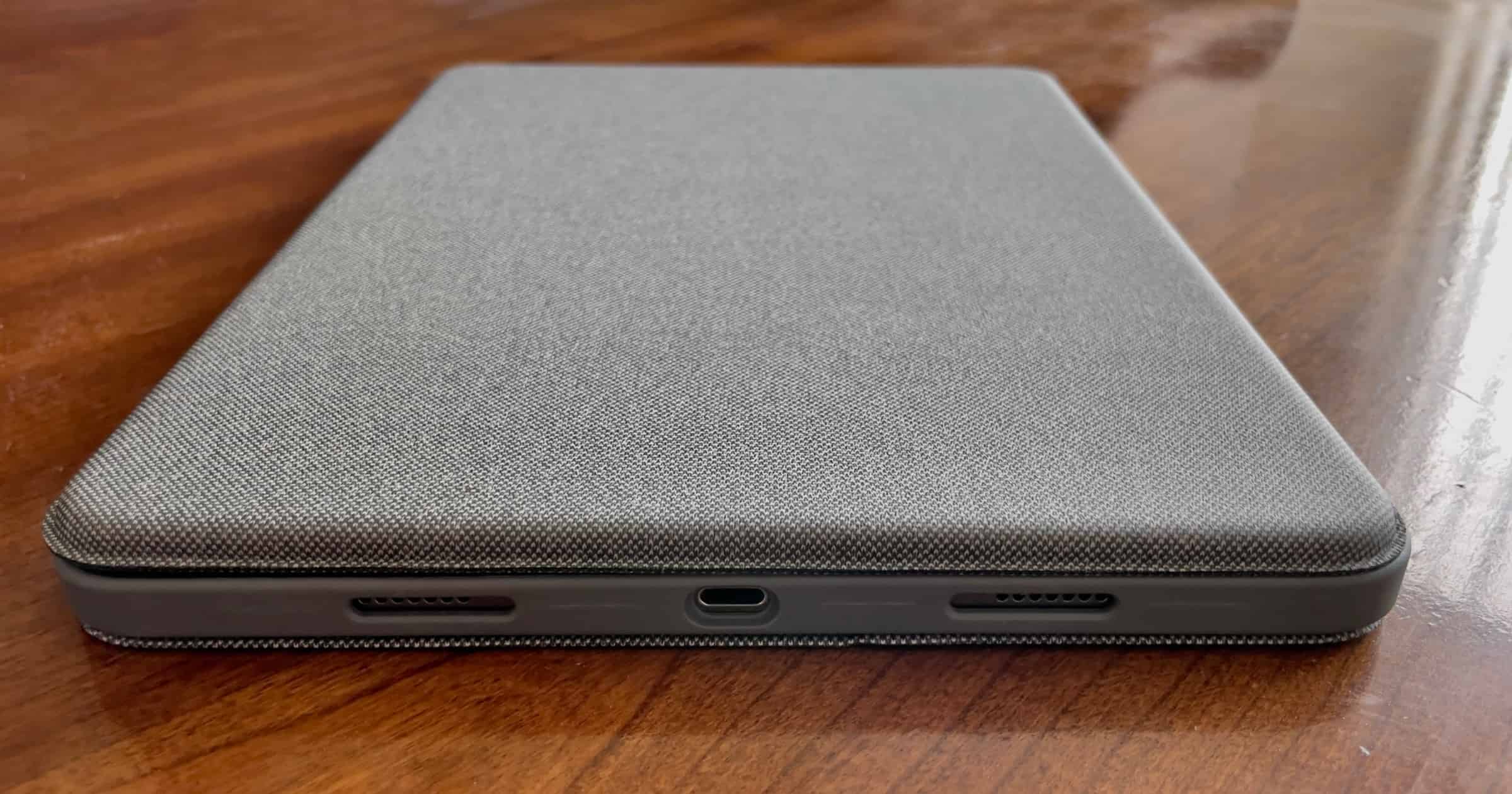
Review: Logitech Combo Touch is a Capable iPad Keyboard
Released in June 2021, Logitech’s Combo Touch an attractive, capable keyboard that includes a trackpad for iPads running iPadOS 13.4 or later.
![Iconic Steve Jobs Items Set For Auction, Including Signed Apple II Manual [Updated]](https://www.macobserver.com/wp-content/uploads/2021/08/Steve-Jobs-signed-Apple-II-manual-for-auction.webp)
Iconic Steve Jobs Items Set For Auction, Including Signed Apple II Manual [Updated]
A range of iconic items related to Apple and Steve Jobs, including a signed Apple II manual, is set for auction this month.