
Apparently the Perseverance rover is running on a modified PowerPC 750 processor which was also used in the original iMac G3 from 1998.
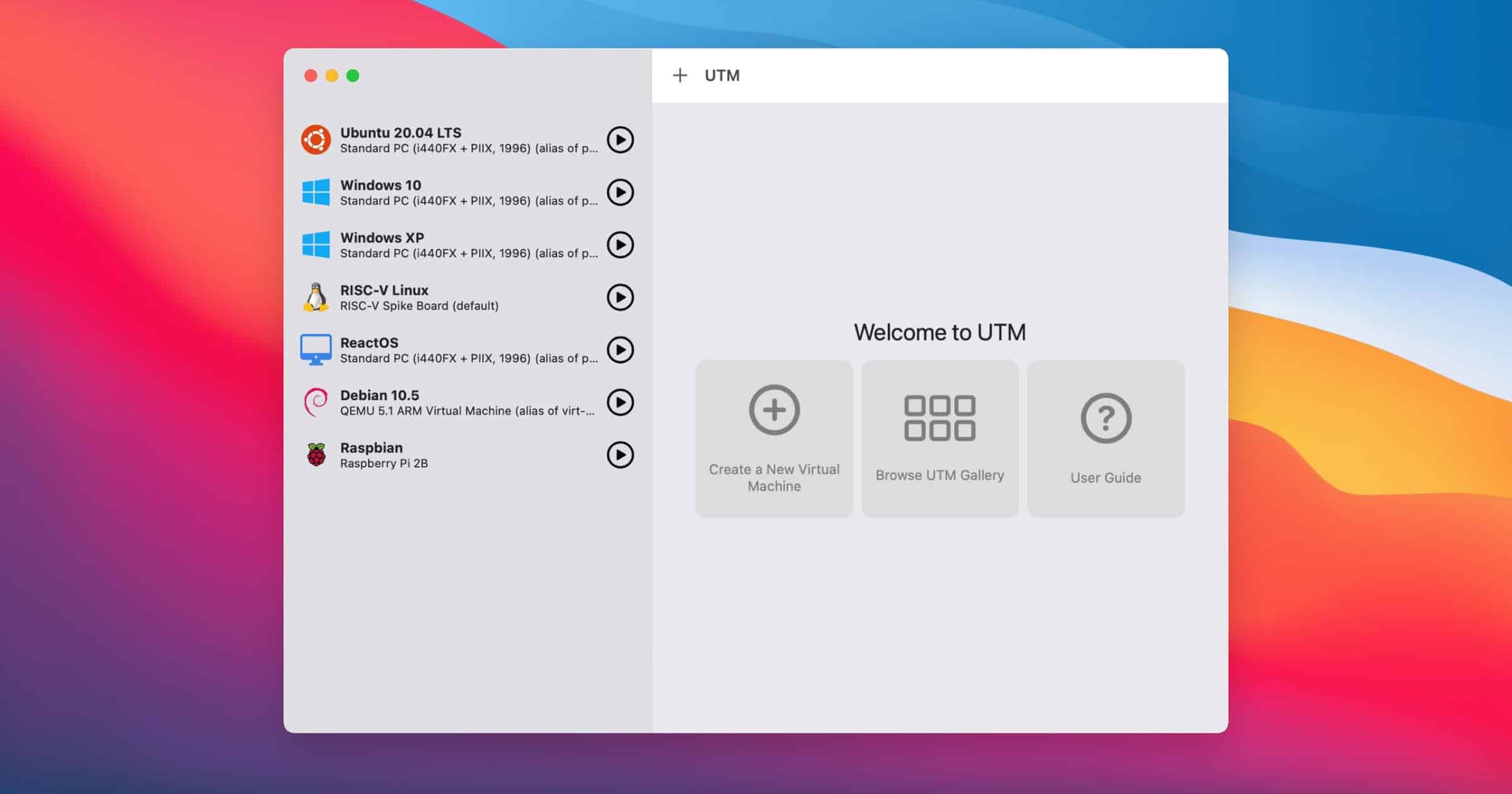
Run Virtual Machines on M1 Macs With ‘UTM’
UTM is an app I recently discovered that lets you run virtual machines on M1 Macs. It uses Apple’s Hypervisor virtualization framework to run ARM64 operating systems on Apple Silicon at near native speeds. On Intel Macs, x86/x64 operating system can be virtualized. In addition, lower performance emulation is available to run x86/x64 on Apple Silicon as well as ARM64 on Intel. For developers and enthusiasts, there are dozens of other emulated processors as well including: ARM32, MIPS, PPC, and RISC-V. Under the hood of UTM is QEMU, a decades old, free and open source emulation software that is widely used and actively maintained. While QEMU is powerful, it can be difficult to set up and configure with its plethora of command line options and flags. UTM is designed to give users the flexibility of QEMU without the steep learning curve that comes with it. Mac App Store Link

For The First Time Since March 2020, All 270 U.S. Apple Stores Are Open
Apple Stores have had to close, open, then close again throughout the COVID-19 pandemic. However, for the first time since March 2020, all 270 U.S. retails locations were open on Monday, according to 9to5 Mac.
While some Apple Stores offer in-store shopping appointments and others can accept Express pickup of online orders only, all 270 US locations are now open in some capacity as of March 1, 2021. Apple Stores in Texas around Houston, Dallas, and San Antonio were the last to reopen today. Over the past 12 months, Apple Stores have weathered a rambling calendar of horrors that began when the pandemic hit. After starting to reopen from May 11, 2020, evolving health guidance and COVID-19 infection spikes forced some stores to reclose and reopen a second, third, or even fourth time. If adapting and responding to new health and safety guidelines overnight wasn’t enough, Apple Stores were then confronted with looting and vandalism, an intense heatwave and wildfire smoke throughout California in the midst of curbside operations, Election Day and Inauguration Day security precautions, and severe winter storms in Texas that pushed back store reopenings in Austin by nearly a week.

Should Apple Really be Trying to Make a Portless iPhone?
Rumors rage that Apple is working on a portless iPhone. There are some valid reasons why this would be a good move, but there are major issues too. For instance, at the moment, the absence of ports would mean recovery required sending the device back to Apple. (I’m currently experiencing this with my Watch and it’s quite annoying.) Oliver Haslam explored this and the other problems with a portless iPhone for iMore.
The increased water resistance afforded by removing the Lightning port is cool and all, but iPhones survive long enough underwater as it is. And you’d still need a slot for your SIM card and holes for speakers and whatnot. These things won’t be 100% sealed, Lightning port or not. Could Apple make thinner iPhones because of the removal of a port? Possibly. But Apple has a history of iPhones bending and we would all rather more battery than a thinner device. Maybe this is all about adding bigger batteries after all? Next, there’s the potential return of Touch ID that’s built into the screen. Could Apple need more space for whatever black magic phone makers do to make that happen? Maybe, but probably not. The likes of Samsung manage it just fine with their USB-C port in tow.

Apple Backs 'Death Squad' Patent Board as Supreme Court Mulls Its Future
The U.S. Supreme Court is considering whether or not a system that Apple has used to invalidate hundreds of patents is constitutional.

'Dickinson' Showrunner Reveals What's in Store For Season Three
‘Dickinson’ showrunner Alena Smith has revealed what viewers can expect in season three of the Apple TV+ show.

These Students Have a Samoan Language App Ready for iPad
Students at Bromley School in Christchurch, New Zealand, used Keynote loaded onto an iPad to create a Samoan language prototype app for kids.

Apple Awards and Evolution – TMO Daily Observations 2021-03-01
Charlotte Henry and Bryan Chaffin join host Kelly Guimont to discuss Apple’s latest award, and the future of Apple’s corporate divisions.

AppleCare Leader Brent Potts Joins Airbnb as VP of Community Support
Brent Potts worked at Apple for eight years as an AppleCare executive, and Airbnb announced on Monday he joined the company.

iOS 14.3 Jailbreak Released This Weekend by Unc0ver
Over the weekend the Unc0ver team released a new jailbreak that works from iOS 11 to iOS 14.3.