Google Maps Will Provide 'Eco-Friendly' Routes to Drivers

Google Maps is to provide an ‘eco-friendly’ route to drivers by default, Reuters reported. Further upgrades to make comparing transit options are also on the way.

Unless users opt out, the default route will be the “eco-friendly” one if comparable options take about the same time, Google said. When alternatives are significantly faster, Google will offer choices and let users compare estimated emissions. “What we are seeing is for around half of routes, we are able to find an option more eco-friendly with minimal or no time-cost tradeoff,” Russell Dicker, a director of product at Google, told reporters on Monday. Google said it derives emissions relative estimates by testing across different types of vehicles and road types, drawing on insights from the U.S. government’s National Renewable Energy Lab (NREL). Road grade data comes from its Street View cars as well as aerial and satellite imagery. The potential effect on emissions from the feature is unclear.

PayPal Will Let Customers Pay With Bitcoin at Online Merchants

PayPal users with Bitcoin can now pay with the cryptocurrency at supported online merchants globally. It will be rolled out later in 2021.

The ability to pay with bitcoin at checkouts with PayPal’s estimated 29 million merchants means that cryptocurrency use is now easier than ever before. Despite all of this, there is still some concern about the volatility of bitcoin and other cryptos, though PayPal hopes to address this with the conversion to fiat currency.

Adobe Announces a Mobile Bundle for iPad Apps

Adobe announced on Tuesday its Adobe Design Mobile Bundle as a subscription plan. It will cost US$14.99/month or US$149.99/year.

The Design Mobile Bundle includes Photoshop on the iPad, Illustrator on the iPad, and Fresco on the iPad and the iPhone, as well as Adobe Spark, the Creative Cloud Mobile app, and the benefits of Creative Cloud services, including 100GB of cloud storage, Adobe Fonts, Adobe Portfolio and Behance.

Most Browser Tracking Protection Isn’t Very Effective by Default

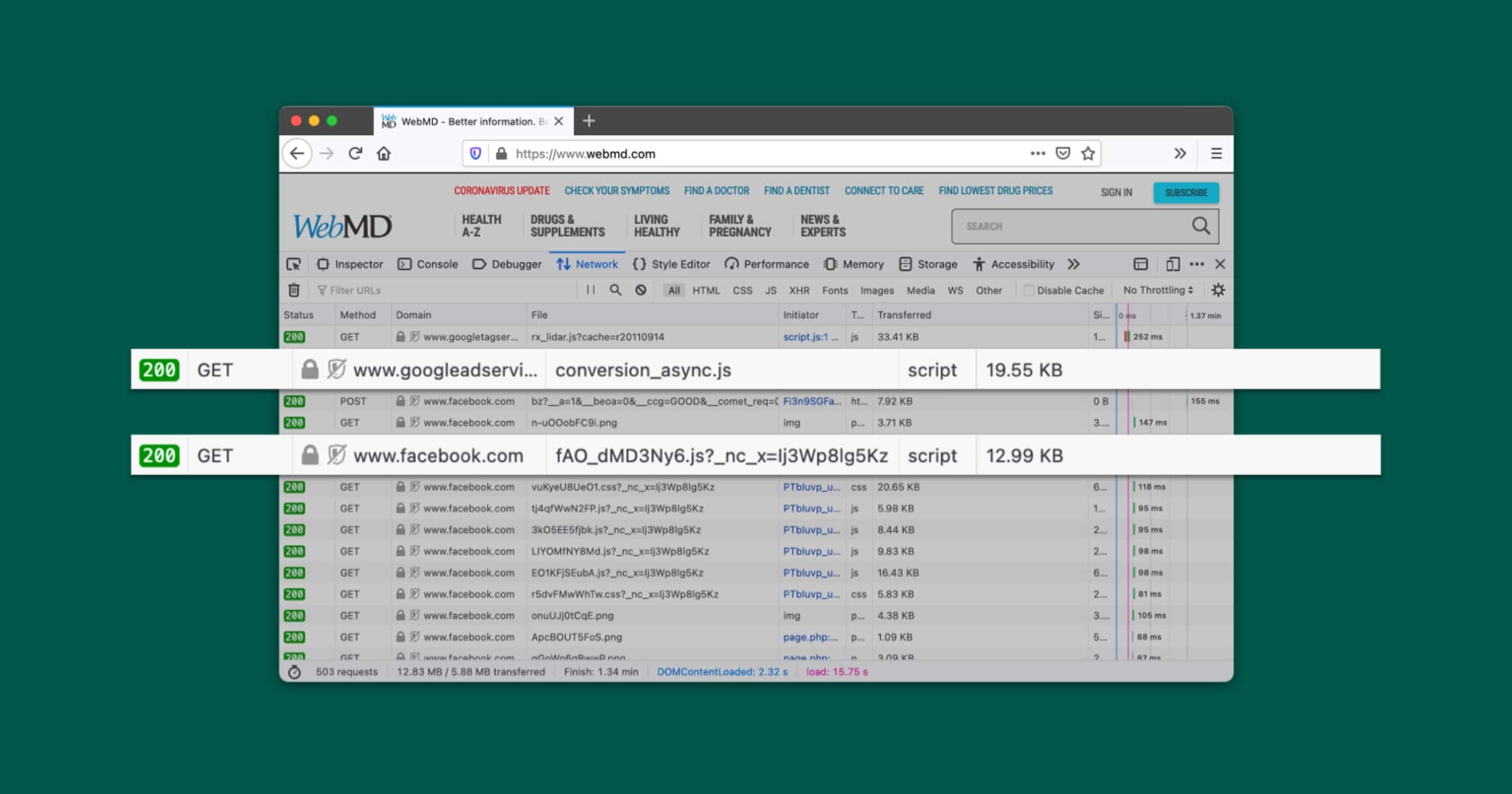
DuckDuckGo wrote on Tuesday that most browser tracking protection doesn’t stop tracking by default. There are multiple ways to track people besides third-party cookies, for example.

The issue is that once such trackers are loaded in your browser, they have a ton of ways to track you beyond just third-party cookies (e.g., by another form of cookies called first-party cookies, by your IP address, and much, much more).

Therefore, to really stop a cross-site tracker, the kind that tries to track your activity from site to site, you have to prevent it from actually loading in your browser in the first place.

Of course, the post is a plug for the DuckDuckGo browser extension, but the details behind tracking are good to know.