
With its new Telenet One Number mobile plan, customers can add their Apple Watch’s eSIM to their plan starting November 13.

Photographer Austin Mann Reviews iPhone 12 Pro Max
After reviewing the camera on the iPhone 12 Pro, Austin Mann has returned to publish his iPhone 12 Pro Max review to see if the larger camera sensor makes a difference. At the end he shares a few tips for iPhone photographers and the tools he uses.
One of the most famous hikes in America is The Narrows in Zion National Park. This beautiful trek requires hikers to wade miles upstream in a river through the narrowest sections of the Zion Canyon (just 10 feet wide at the narrowest).
The lighting and shooting conditions are extreme and diverse, so below I’ll share a few photos demonstrating why I think iPhone 12 Pro Max is the ideal tool to capture this adventure (whether you’re a pro or not).

Gift Picks from Team Nightmare – TMO Daily Observations 2020-11-09
Charlotte Henry and Andrew Orr join host Kelly Guimont to share ideas for gear and software if you have a gift-giving occasion on the horizon.

Apple Suspends New Business For Pegatron After China Labor Abuse Uncovered
Apple has decided to freeze new business with Pegatron after it discovered labor abuses at Chinese campuses run by the key iPhone-assembler.

Apple Camera Engineers Want iPhone Photos to Reflect Real Life
Apple engineers sat down for an interview to talk about some of the photography advancements Apple has made with the iPhone 12.

Samsung Takes Bigger Chunk of U.S. Marketshare Than Apple For First Time Since 2017
Samsung grabbed a bigger chunk of the U.S. smartphone market than Apple in the third quarter of 2020, according to data from Strategy Analytics, picked up on by Cult of Mac. That the first time since 2017 that Samsung has beaten Apple.
Apple accounted for a 30.2 percent market share of the U.S. smartphone market in Q3 2020. However, it lost out slightly to Samsung which made up 33.7 percent of the marketshare. The last time Samsung beat Apple in Apple’s home country market was Q2 2017. In third place was LG Electronics, which accounted for just a 14.7 percent share of the market. The reason for Samsung’s victory over Apple in the quarter likely involves the delayed launch of the iPhone 12. New model iPhones don’t usually make a significant impact until calendar Q4. However, their appearance in September does give the July through September quarter a boost for Apple. This year, the iPhone 12 handsets weren’t even shown off until October. This was due to manufacturing challenges related to coronavirus. Meanwhile, Samsung launched new flagship devices such as the Galaxy Note 20 and Galaxy Z Fold 2 during the quarter.

Apple is One of The Firms Discussing Purchase of Podcast-Maker Wondery
Apple is reportedly one of the firms to have held discussions about buying independent podcast-maker Wondery.
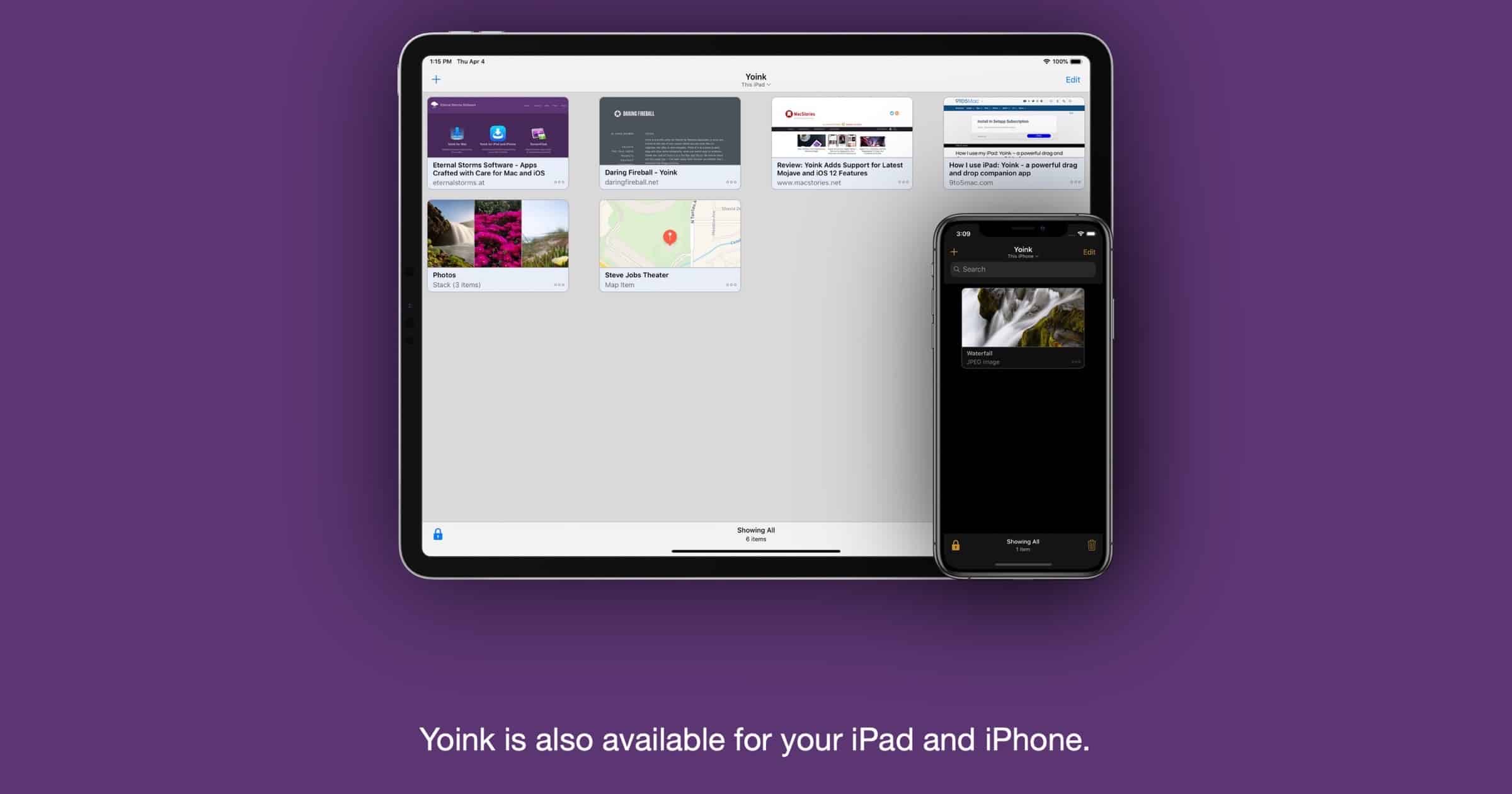
‘Yoink’ macOS Big Sur Support Added With Version 3.5.11
Yoink macOS Big Sur support has been added to version 3.5.11. Yoink is a productivity app that acts as a “shelf” to hold files from Finder or app/website content. When you drag something on your Mac, Yoink appears at the edge of your screen, allowing you to temporarily place it there. Navigate to the destination of your files and drag them out of Yoink. Aside from adopting the new look and feel of macOS Big Sur and running natively on Apple Silicon, version 3.5.11 brings numerous quality-of-life improvements and fixes, like better support for not-yet-loaded files in iCloud Drive, or screenshots dragged from macOS’ floating screenshots window. Yoink is available on the Mac App Store for US$7.99, in Setapp, and on the developer’s website.

Review: iPhone 12 Pro Cases from TORRAS and Mujjo
New iPhones are always accompanied by… new accessories, and Charlotte has tested two new third-party cases on her iPhone 12 Pro.
Check Your Digital Couch Cushions — Mac Geek Gab 842
How much money do you have in your digital couch cushions? John and Dave walk through a few places you can check ahead of the holiday buying frenzy! Of course, most of the show is dedicated to answering your tech questions, solving your problems, sharing quick tips and, yes, a few minutes is even carved out to review eero’s new Wi-Fi 6 systems! Press play and join your two favorite geeks in learning at least five new things!