
So how do these “silent updates” work, anyway? Why can’t I click links in Safari? And will your future self be happy with your past self’s backup-related decisions? These are the hard questions, folks, and your two favorite geeks tackle them just for you. Plus, listen as John and Dave share your tips, Cool Stuff Found, and more. Mac Geek Gab 771 is here just for you. Press play and enjoy learning at least five new things!

Apple Applies for Apple Card Trademark in Canada
Apple filed applications for Canadian trademarks for Apple Card, Apple Cash, and Apple Pay Cash earlier this month.

iOS 13 and iPad OS, Things We Like and Things We Like Less, with Andrew Orr - ACM 519
Bryan Chaffin is joined by Andrew Orr to discuss Apple’s new iOS 13 and iPadOS, both of which are in developer and public beta. They talk about some of the features they really like—and some features they don’t like at all.

Apollo Space in the News, Apple's Russia Conundrum - TMO Daily Observations 2019-07-19
Charlotte Henry and Andrew Orr join guesthost Bryan Chaffin to look at all the awesome Apollo and space content that’s available around the Moon Landing’s 50th anniversary. They also talk about a proposed law in Russia that could challenge some of Apple’s core business principles.

In Honor of Apollo 11, Orbitrack Will Be Free on July 20th
Southern Stars Group, LLC has released the following:
On the 50thanniversary of Apollo 11’s first manned moon landing, a new iOS app – Orbitrack – lets you explore the universe of spacecraft in orbit around our home planet today, using cutting-edge augmented and virtual reality technology.
Better yet: for just one day, July 20th, 2019, Orbitrack will be offered for free on the iTunes Store.
Highly rated, Orbitrack is available in the Apple App Store now for $4.99 (free on 7/20) and for Android in the second half of 2019. For more information, visit Southern Stars Group.

2020 iPhones Could Get 5-Nanometer TSMC Chips
Rumor has it that Apple’s supplier TSMC could move to a 5-nanometer process for its chip manufacturing on 2020 iPhones.

Twitter Tests a 'Label Replies' Option
Twitter recently redesigned its website to align with its mobile apps, and now its testing a way to label replies for users.
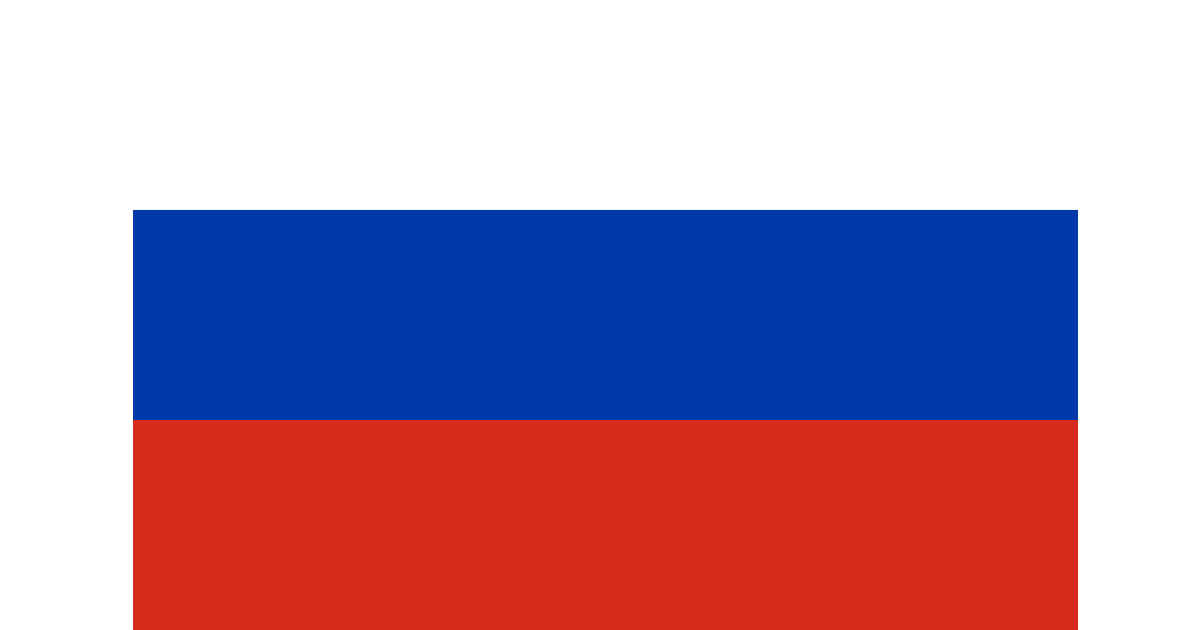
Russia Ponders Law Making Local Smartphone Software Mandatory
Lawmakers in Russia are considering a proposal to make having locally made software on smartphones and other devices mandatory, Reuters reported. Apple is a key player in the Russian smartphone market, and I can’t see the company being happy with this idea.
The bill, tabled at the lower house of parliament on Thursday, would allow authorities to draw up a list of mandatory, locally-made software. If passed, it would come into force in July 2020. Russia’s cell-phone market is dominated by Apple, Samsung and Huawei products. The bill also proposes fining companies that sell devices without pre-installed Russian software from 50,000 to 200,000 roubles (£630.94-£2,531.75) starting from January 2021.

macOS: 26 Trello Keyboard Shortcuts to Speed Up Usage
Unsatisfied with point-and-click, Andrew recently discovered Trello keyboard shortcuts to speed up his usage of the app.

Tim Cook Pays Tribute to Kyoto Animation Arson Attack Victims
Apple CEO Tim Cook took to Twitter to pay tribute to the victims of an arson attack at famous Japanese anime studio, Kyoto Animation.