Amazon's Move Into the Elections Market

U.S. elections are big business. Reuters published a fascinating report into how Amazon moved into the world of politics.

Amazon pitches itself as a low-cost provider of secure election technology at a time when local officials and political campaigns are under intense pressure to prevent a repeat of 2016 presidential elections, which saw cyber-attacks on voting systems and election infrastructure. “The fact that we have invested heavily in this area, it helps to attest to the fact that in over 40 states, the Amazon cloud is being trusted to power in some way, some aspect of elections,” Michael Jackson, leader, Public Health & U.S. Elections at AWS, told prospective government clients in February via a presentation on a webinar, which was viewed by Reuters.

Productivity Coach Brittany Smith - TMO Background Mode Interview

Brittany Smith is a productivity coach who provides a variety of consulting services through her business, Devise and Conquer, that includes ADD/ADHD coaching, technology coaching, productivity consulting, and more. She is a self-designated “well-rounded geek.” She holds an M.S. degree in Cognitive Neuroscience.

In our chat, Brittany told me about her adventures with homemade videos, with a PC, as a youth. Her father was a podiatrist and her mother was a programmer, so there were always computers in the house. But the Vista version of Windows drove her into the arms of the Mac. In the second half of the show we delved into just what cognitive neuroscience is, her productivity and Apple tech coaching. Along the way we chatted about the influence of Star Trek (and Disneyland) on her career. Brittany sparkles in this interview.

Developer Offers Tips for How to Handle Getting Sherlocked

Savannah Reising of Astropad posted a killer blog post (via Dave Mark at The Loop) offering six tips for how to handle being sherlocked by Apple. Getting sherlocked means that Apple just announced the product, software, or feature that you built your business on, and it’s a known risk for Apple ecosystem veterans. It happened to Astropad when Apple announced Sidecar at WWDC this past June. Her lessons include Know your true competition; Don’t wait to diversify; Build a culture of experimentation; Go where your customers go; Seize the narrative; and, When Apple goes wide — dive deep. It’s a very good read, and I strongly recommend it.

But now that the Sidecar dust has settled, I want to share our experience with other players in the Apple ecosystem. My intent is two-fold: On a personal level, it’s therapeutic to reflect on how this has impacted our work. But more importantly, my hope is that by candidly sharing our story, I can pass along some of the painful insights we learned along the way — like how you can prevent getting sherlocked, and what to do if it happens to you.

North Korea Targets Macs with Fake Cryptocurency Trading Site and App

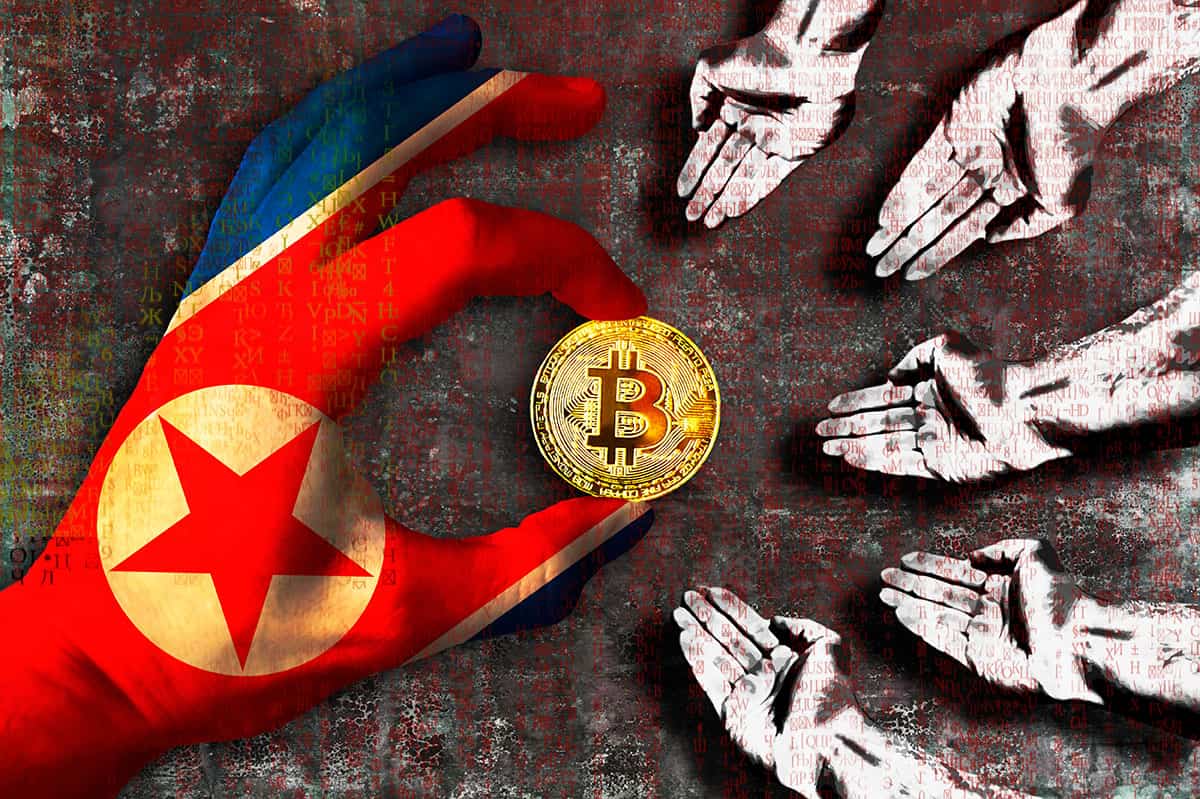
North Korean hacking group “Lazarus Group” has been targeting Macs with a bit of fake website used to promote an open source app that served as a trojan horse. The fake site was called JMT Trading, and was designed to look like a trading platform. To use the trading platform, you had to download an app from Github, but even though the app was open source, it contained malware for Macs, with the whole scheme being part of North Korea’s efforts to steal Bitcoin. Check out Forbes‘s report:

The hackers may then go a step further by contacting administrators and users of cryptocurrency exchanges, asking them to test and review their new app, Wardle told Forbes. If they get lucky, they get a bit of leverage in an official cryptocurrency vendor and start infecting targets.

Bitcoin Top Crypto on the Darkweb, but Privacy-Oriented Cryptos Are Gaining Steam

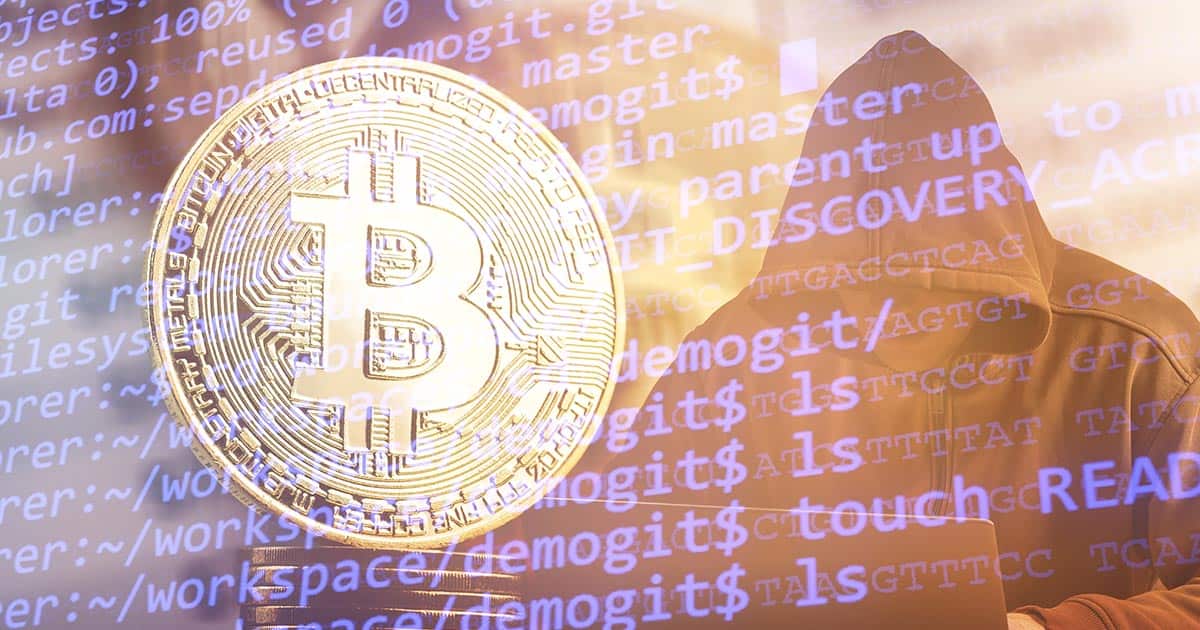
Bitcoin remains the cryptocurrency of choice on the dark web, according to a report from TheNextWeb. That might be mostly a matter of inertia, however, as privacy-oriented cryptos are gaining steam. Cryptos like Monero and Dash, as well as others, have features baked into their underlying blockchain that can make it much harder to trace transactions. From TheNextWeb‘s coverage:

Bitcoin is still very much the dark web‘s favorite cryptocurrency, but those looking to cover their tracks are slowly learning to use privacy-focused alternatives. […] Authorities say there has been a more “pronounced shift” towards more privacy-orientated cryptocurrencies, and expects this trend to continue as criminals become more security aware.