
In 2005, scientists confirmed that dry spaghetti noodles never break cleanly in half. Instead they tend to split into three or more pieces. If you’ve ever cooked spaghetti you’re probably familiar with having little bits explode all over the kitchen. But it turns out that there is a way to break spaghetti cleanly in half. Famous physicist Richard Feynman once spent a night with a friend snapping pasta to figure out what was happening. He never solved it, but it inspired French researchers to try, which earned them a 2006 igNobel prize. The secret? Twist the noodles hard like you’re wringing out a washcloth. To understand why, they used a high speed camera that recorded the shattering pasta at a million frames per second. The twist prevented the two bent strands flexing back quite as forcefully as an untwisted strand, and the untwisting motion released some of the stored energy in the spaghetti, further reducing the likelihood of a second fracture.
Here's How You Can Fill Your Home With Apple Decorations
Specifically, plushy pillows in the shape of certain Apple products.
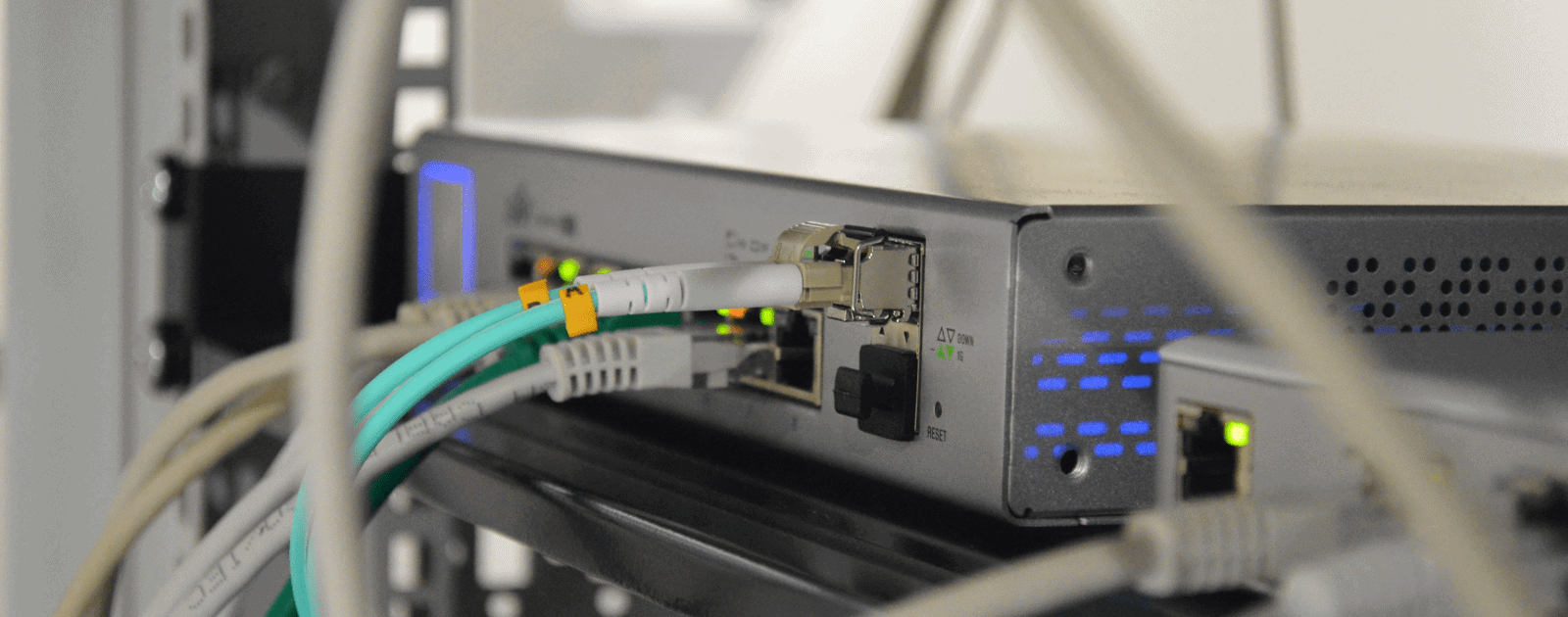
ISPs Say They Can't Expand Broadband Without More Money
Apparently ISPs have been recently saying that they can’t expand broadband without more government handouts.
Broadband providers have spent years lobbying against utility-style regulations that protect consumers from high prices and bad service.
But now, broadband lobby groups are arguing that Internet service is similar to utilities such as electricity, gas distribution, roads, and water and sewer networks. In the providers’ view, the essential nature of broadband doesn’t require more regulation to protect consumers. Instead, they argue that broadband’s utility-like status is reason for the government to give ISPs more money.
Of course, the biggest issue with this is that the government (read: American taxpayers) have already given ISPs US$400 billion dollars to expand fiber optic networks across the country. The article’s header says it best: ISPs want benefits but not responsibilities.
Save Time and Effort with Keyboard Maestro
Keyboard Maestro creates macros —sequences of actions that can be saved and then invoked and played back with a single keystroke (or other trigger), and the latest version (version 8) adds welcome improvements and interface enhancements.
Reminder: Third Party Twitter Apps Have Been Hamstrung
Twitter’s API changes go into effect today, and apps like Tweetbot have already begun updating.
Your Tweets Can Help Scientists Map Wildfires
Your tweets can help scientists map the spread of wildfires. Researchers from the U.S. Forest Service published a study [PDF] where they found that—in large numbers—tweets about wildfires can model the way the smoke moves.
If someone #cantbreathe due to smoke, they’re inhaling small particles known as as PM2.5, which measure under five percent the width of human hair. The particles can lodge into the lung tissue and bloodstream and cause health issues, particularly for people with respiratory issues, pregnant women, and children. In extreme conditions, though, the long-term effects can impact others.
How Did Steve Jobs Fake the First iPhone?
Curiosity.com writes about Steve Jobs and the first iPhone. There was a little more to that keynote than meets the eye.

Here Comes In Home 5G Broadband - TMO Daily Observations 2018-08-16
John Martellaro and Dave Hamilton join Jeff Gamet to look at Verizon’s plans for 5G broadband in our homes and how that may work out.

Twitter Just Killed Key Features in Third-party Client Apps
Twitter is turning off the APIs for key features on August 16th, essentially hobbling all client apps except its own.

Teen Charged with Hacking in to Apple Servers, Stealing Files
A teenager from Melbourne, Australia, has been arrested for hacking in to Apple’s servers, making off with over 90 GB of files, and accessing customer accounts. Apparently the boy developed a system that “worked flawlessly” until he was caught. The Sydney Morning Herald said,
His offending from the age of 16 saw him develop computerised tunnels and online bypassing systems to hide his identity until a raid on his family home uncovered a litany of hacking files and instructions all saved in a folder titled ‘hacky hack hack.’
Aside from the poor life choice of heading down a path of international crime, the boy’s big mistake was bragging online about what he did. Lessons learned: Don’t break federal laws and hack into company servers, and don’t tell anyone if you do.