
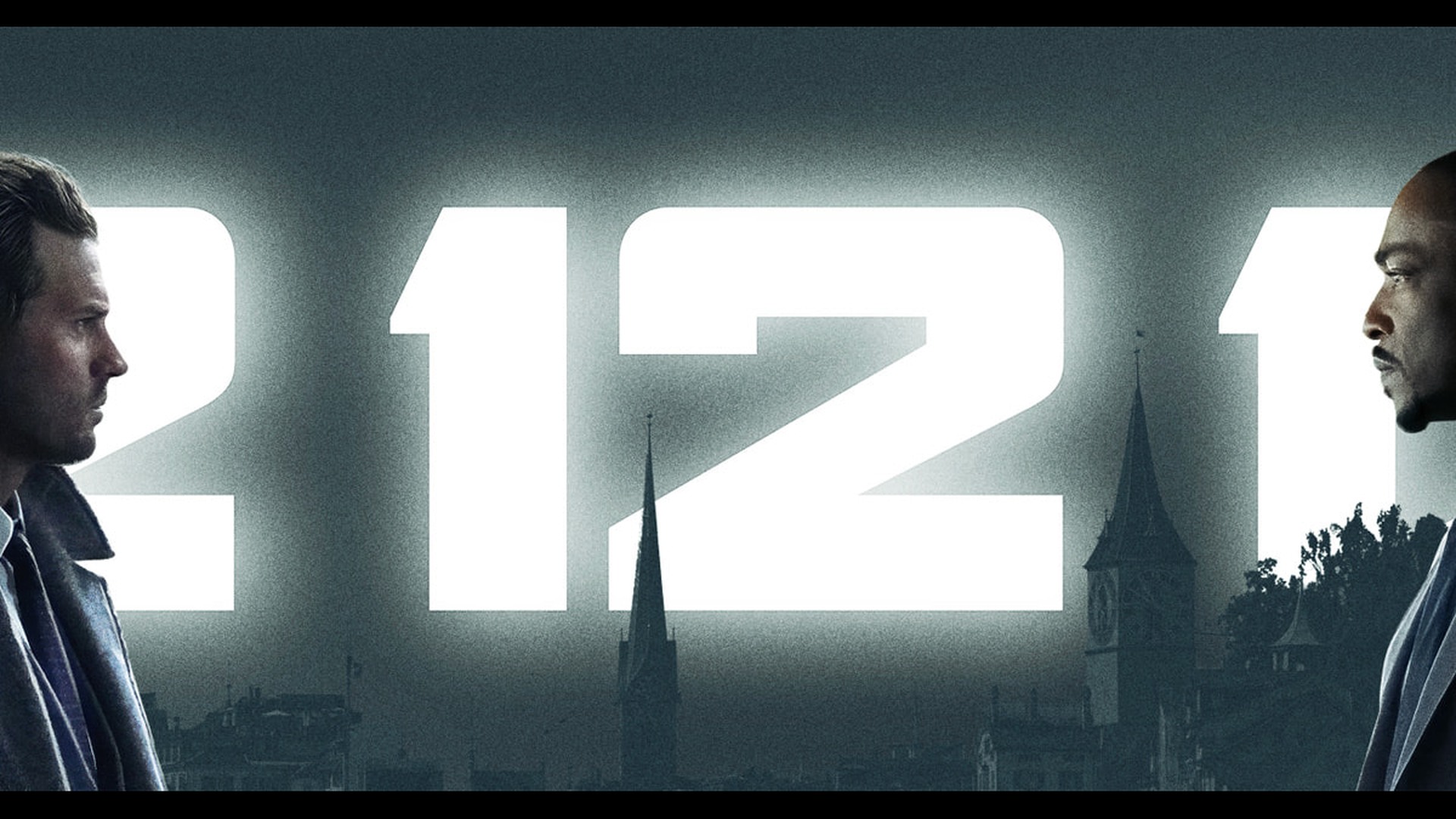
12 12 12 uses three timelines so every episode can show a decision, its execution and its consequences together. The title refers to 12 months of planning, 12 hours of the heist and 12 days after it.
That structure turns a Zurich bank robbery into more than a countdown. Viewers can learn how the criminal prepared, watch the plan break under pressure and immediately see how an FBI pursuer interprets the evidence left behind.
- Release date: November 13, 2026
- Episode: Season 1
- Title: 12 12 12
- Genre: Heist drama
- Streaming on: Apple TV
The plan and payoff can answer each other
Jamie Dornan plays an American career criminal involved in a raid on a vault beneath Zurich. The year-long planning timeline can establish recruitment, surveillance and compromises without forcing the premiere to delay the actual heist.
Don’t miss the best of The Mac Observer
Set us as a preferred source and our Apple reporting ranks higher in your Google Search results and Discover feed — one tap, no account changes.
Moving to the 12-hour strand lets the series reveal whether each preparation worked. A detail that looks minor months earlier can become the reason a door opens, an alliance fails or the team leaves evidence.
The aftermath turns the heist into a hunt
Anthony Mackie plays a disgraced FBI agent locked in what Apple calls a zero-sum cat-and-mouse game with Dornan’s criminal. The 12 days after the robbery give that pursuit urgency while consequences are still unfolding.
The agent’s disgrace also complicates the usual law-versus-thief division. The structure can compare what both men believe happened with what viewers have already seen in another timeline.
Eight episodes must keep the strands readable
Apple ordered eight episodes, beginning with two on November 13 and continuing weekly through December 25. The repeated 12 framework gives the audience a simple orientation point as the editing moves across time.
Jack Kesy, Kali Reis, Agathe Rousselle, José Garcia and Sallie Harmsen join the ensemble. Apple has not disclosed the heist’s winner or final betrayal in its first-look material.
The three clocks can also control what the audience knows. A failure during the robbery may appear accidental until the planning strand reveals an earlier compromise, while the aftermath can show investigators drawing the wrong conclusion from the same evidence.
That structure gives Mackie and Dornan parallel forms of pressure. One character has only hours to complete the crime; the other has days to reconstruct a plan that took a year to build.
The risk is repetition if each timeline merely restates the last. The format works best when every jump changes the meaning of a choice, allowing preparation, action and consequence to function as different pieces of one carefully constructed mystery for viewers.
The three timelines make cause, crisis and consequence part of the same puzzle. Which strand sounds most compelling: the planning, the 12-hour raid or the pursuit? Comment below.




Discussion