
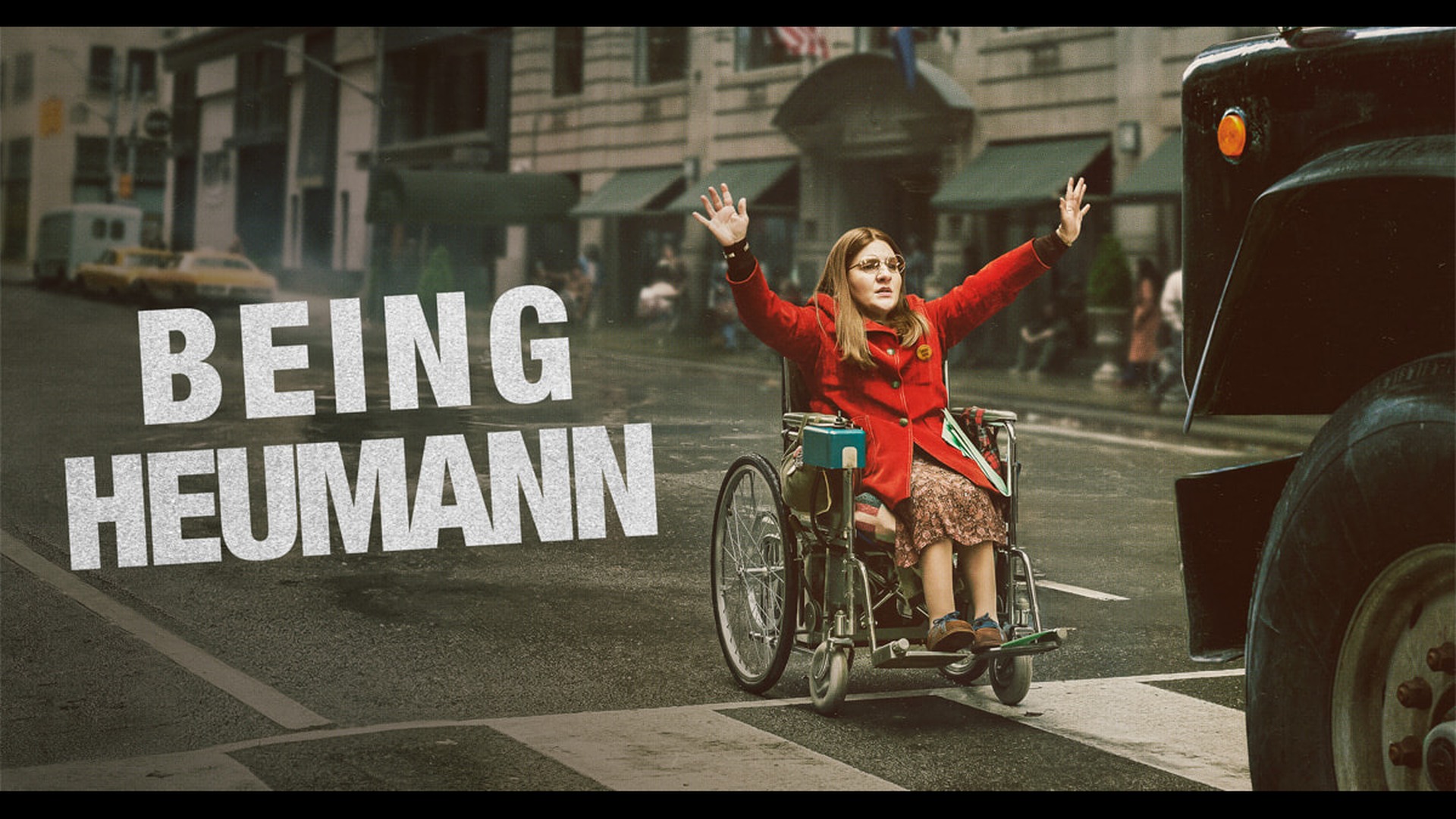
Judy Heumann helped lead the 1977 Section 504 protest by organizing disabled activists to demand that the federal government finally enforce a civil-rights protection already written into law. The San Francisco sit-in lasted nearly a month.
Apple’s Being Heumann dramatizes that collective campaign with Ruth Madeley as Heumann. The true story is not about one speech suddenly changing policy, but sustained organizing that made delay politically impossible.
- Release date: November 13, 2026
- Episode: Feature film
- Title: Being Heumann
- Genre: Biographical drama
- Streaming on: Apple TV
Section 504 existed before it was enforced
Section 504 of the Rehabilitation Act of 1973 prohibited disability discrimination in federally funded programs. The protection remained weak without signed regulations explaining how agencies and institutions had to comply.
Don’t miss the best of The Mac Observer
Set us as a preferred source and our Apple reporting ranks higher in your Google Search results and Discover feed — one tap, no account changes.
When the Carter administration delayed action, activists organized demonstrations around the country in April 1977. Protesters entered the federal building in San Francisco and stayed, creating the longest occupation of a federal building in United States history at the time.
Heumann helped turn access into political power
Heumann had already fought exclusion as a teacher and helped establish Disabled in Action. During the sit-in, she was one of many organizers who kept attention on concrete enforcement rather than accepting vague promises.
The coalition included people with different disabilities and received crucial support from local groups, including the Black Panther Party. That network supplied food, communication and solidarity while protesters endured an inaccessible building.
The protest helped force the regulations
A delegation travelled to Washington to maintain pressure, and the Section 504 regulations were signed later that month. Their enforcement became a major foundation for later disability-rights protections, including the Americans with Disabilities Act.
Siân Heder directs the film, with Mark Ruffalo as Joseph Califano and Dylan O’Brien as Evan White. The movie is scheduled for select theaters November 6 and Apple TV November 13.
National Park Service histories document Heumann as both an organizer and an on-the-ground leader in San Francisco. They also show why the protest endured: disabled activists built committees for food, medical needs, hygiene and publicity inside an inaccessible federal office.
The coalition’s breadth was central to its power. The Black Panther Party supplied meals, labor groups helped a delegation reach Washington, and people with different disabilities sustained a shared demand instead of accepting weakened regulations.
That history keeps the film’s true-story framing collective. Heumann was a crucial strategist and public voice, but the victory came from a network capable of maintaining a 26-day occupation and national pressure until the regulations were signed without being weakened further.
Heumann’s achievement was making disabled people impossible to ignore as a political community. Which part of the Section 504 campaign should the film make clearest? Tell us below.




Discussion