
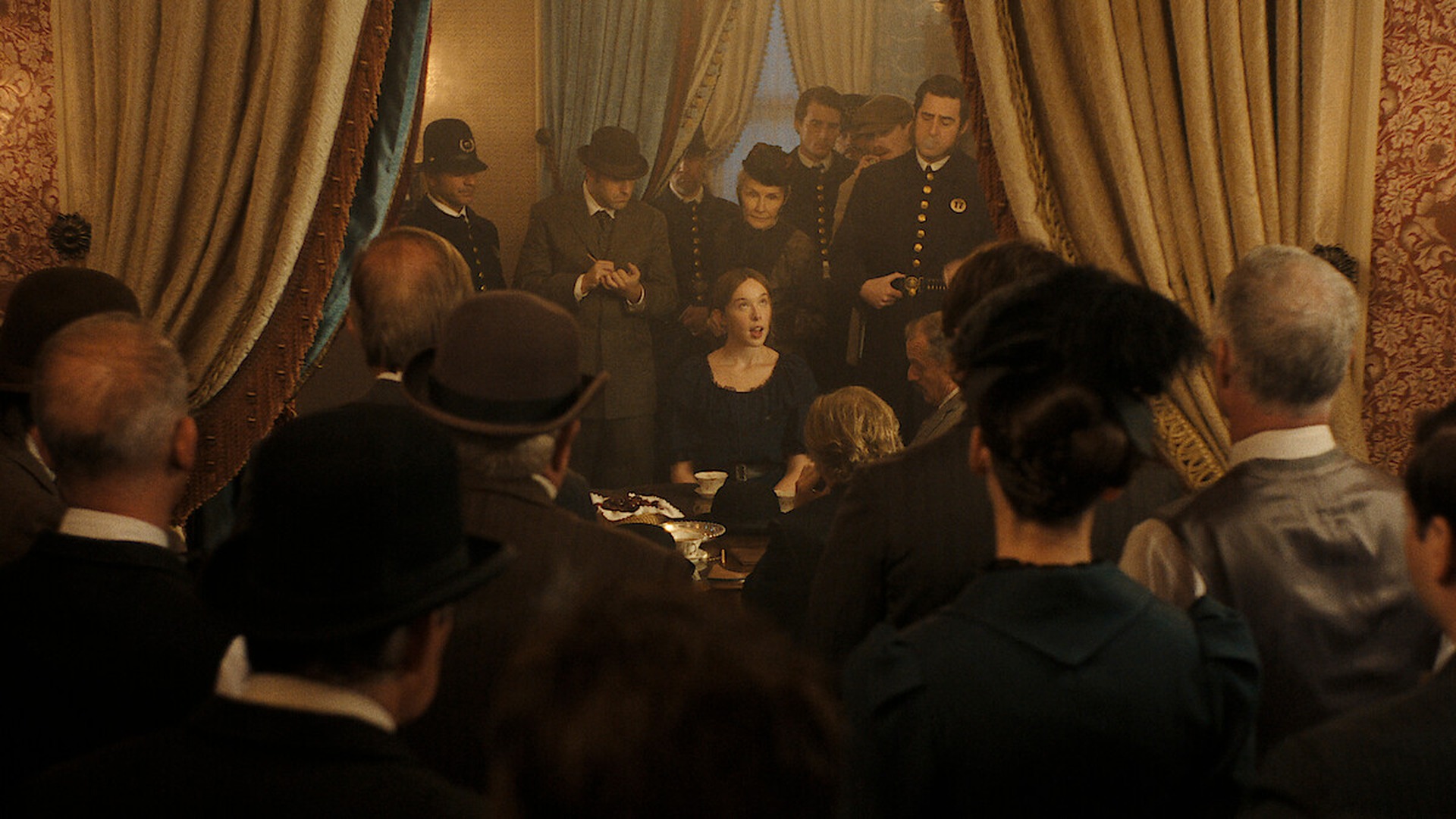
Spoiler warning: This article discusses major developments in Monster: The Lizzie Borden Story.
Bridget Sullivan survives the Borden murders in Monster: The Lizzie Borden Story, but the series changes the historical timeline and expands her role in Lizzie Borden’s life. Netflix identifies Bridget, played by Vicky Krieps, as the Bordens’ housekeeper and says the dramatization makes her a key influence on Lizzie’s awakening.
That distinction is crucial. Bridget was a real person and the family’s live-in maid at the time of the 1892 killings, but Monster is a dramatized anthology, not a documentary. Its version asks viewers to read Bridget as an active emotional presence in Lizzie’s story. The show’s choices should not be mistaken for settled historical fact.
Don’t miss the best of The Mac Observer
Set us as a preferred source and our Apple reporting ranks higher in your Google Search results and Discover feed — one tap, no account changes.
- Release: September 17, 2026
- Episode: Season-wide story
- Genre: True-crime drama
- Streaming on: Netflix
Bridget is more than a witness in the series
The real Bridget Sullivan was in the Borden household when Andrew and Abby Borden were killed. In Netflix’s retelling, she is not limited to the familiar function of a witness around the case. The show introduces her as Bridget “Maggie” Sullivan and builds a relationship in which she pushes Lizzie toward a more dangerous understanding of herself.
That is a storytelling decision with consequences. By bringing Bridget closer to Lizzie’s interior life, the series gives its central character a confidante and an influence who can challenge the limits imposed by the Borden home. It also changes how scenes of escape, desire and resentment register beside the murder investigation.
The relationship is a dramatization, not a historical verdict
Netflix’s own ending feature stresses that the series takes liberties with chronology elsewhere, including its use of Nance O’Neil in the trial story. That should be the guide for Bridget as well. The program is using historical figures to tell an interpretive drama, so it is fair to discuss what the show presents while keeping separate what the historical record can establish.
For Bridget, the payoff is not a claim that the show has recovered a hidden, definitive answer to the case. It is that Lizzie’s private world becomes more legible within the show’s version of events. Bridget offers the story a counterweight to the Borden family’s control, even as the case itself pulls every character into a public spectacle.
What her survival means after the murders
Bridget’s survival leaves her carrying knowledge of the household after the violence has changed it. That makes her presence consequential even where the series centers Lizzie’s trial and its aftermath. She is part of the domestic world that has been destroyed, and the series uses that perspective to make the fallout feel less abstract.
The careful answer, then, is that Bridget lives on in the show’s story, while her relationship with Lizzie is one of the production’s most conspicuous dramatic alterations. It is designed to illuminate Lizzie’s characterization, not to settle the real case. Does that choice deepen the series’ portrait of Lizzie, or make its fictionalizing feel too bold? Tell us in the comments.




Discussion