
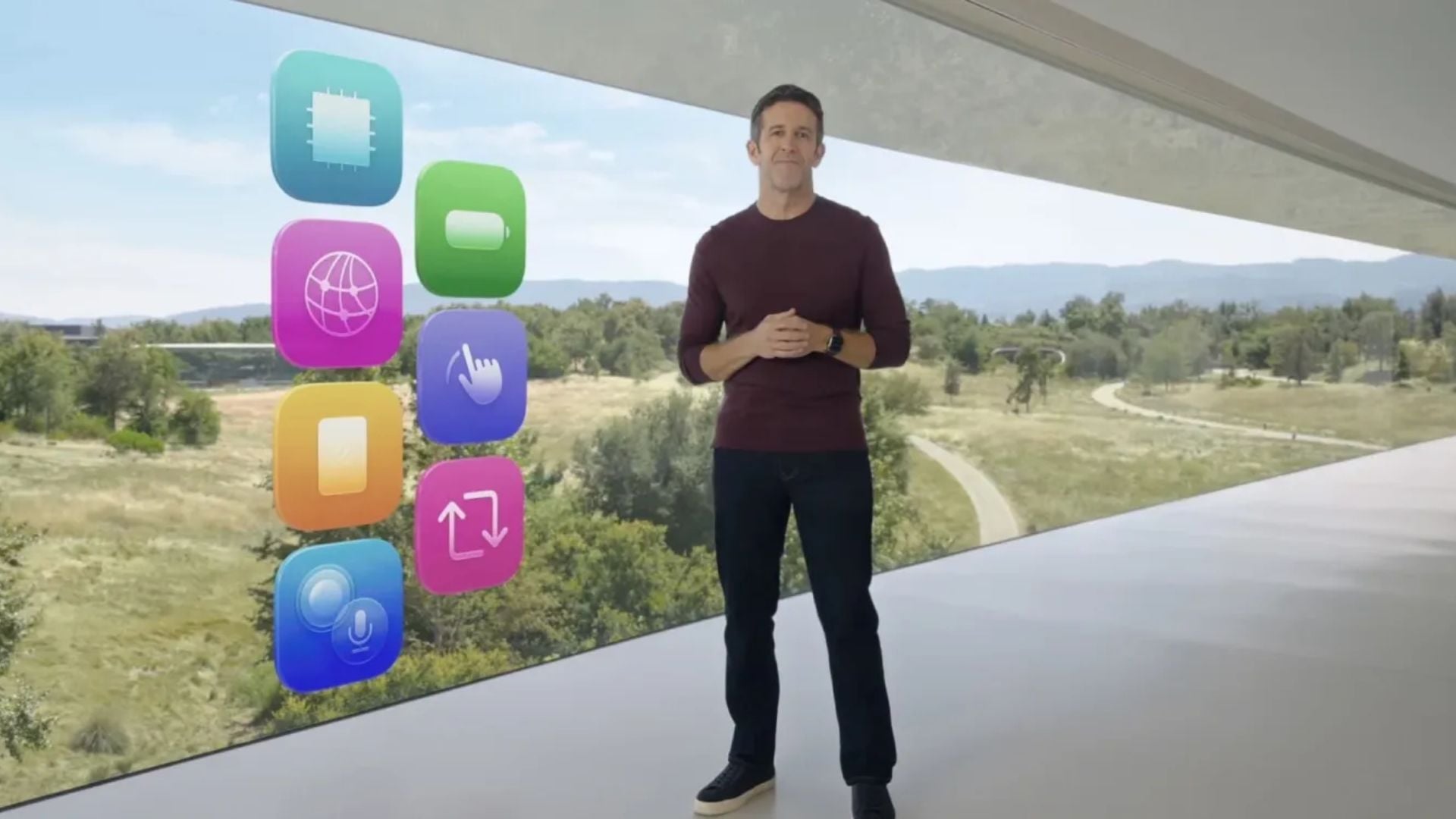
The new leader of Apple is sharing some details about the future of its digital assistant. During a recent quarterly earnings call, John Ternus faced several questions from investors about the roadmap for Siri AI. He confirmed that the software team is not slowing down and plans to quickly grow the capabilities of the voice assistant in the coming months, marking a big shift in how the tech company handles voice software.
The company will focus heavily on adding new agentic capabilities
While the latest software update brought some welcome changes, the chief executive made it clear that this is only the beginning. As seen in the recent iOS 27.2 release, the engineering team is pushing out rapid updates to make the assistant more helpful.
Ternus noted that future updates will likely bring new agentic capabilities, allowing the software to take more complex actions for the user. He shared his excitement about the foundational work the team has already completed.
Don’t miss the best of The Mac Observer
Set us as a preferred source and our Apple reporting ranks higher in your Google Search results and Discover feed — one tap, no account changes.
“With Siri AI, we really have the kind of the Siri we always wanted,” Ternus explained during the call. “It is primarily request-based today, but as we talked about at WWDC, it is built on a modern, orchestrator-driven architecture that gives us real room to expand capabilities over time.”
Future virtual assistant features might require a paid software subscription
As the underlying artificial intelligence gets smarter, the company might change how users access these advanced tools. Currently, basic on-device requests cost the company very little to process. However, as the software starts handling more complex tasks, the server costs will inevitably go up.
Because of these rising costs, the company is looking for opportunities to charge money for certain premium features as the assistant evolves. While basic functions will likely stay free, users might eventually need to pay to unlock the full potential of the new AI technology.
Despite the hurdles ahead, the leadership team remains highly optimistic about the product pipeline. “We are really excited to have rolled all these innovations out, and there is still so much more we plan to do,” Ternus stated.
These recent comments from the chief executive show a clear promise to build a smarter and more capable digital assistant. As the company continues to invest time and money into machine learning, users can expect to see a steady stream of new features rolling out over the next year.




Discussion