
In a first for 2020, Apple is releasing iOS 14 beta 8 for developers and public beta testers on the same day.

The Day Steve Jobs Returned to The Stage After a Liver Transplant
September 9 is another big day in Apple history. As Cult of Mac reflected, it was the day in 2009 that Steve Jobs returned to the Apple keynote stage following his liver transplant.
“I wouldn’t be here without such generosity,” Jobs told the audience, referring to the organ donor whose liver he received. “I hope all of us can be as generous and elect to become organ donors.” Before revealing Apple’s new line of iPad nanos, Jobs said, “I’m vertical, I’m back at Apple, and I’m loving every day of it.” A decade later, we now know far more about Jobs’ return than we did in 2009. First and foremost, of course, we know that while Jobs’ liver operation succeeded, pancreatic cancer ultimately resulted in the Apple CEO’s death a little over two years later. Members of Jobs’ inner circle knew about the cancer at the time, but nobody discussed it.

Numi Power Mat Wireless Charging Mouse Pad: $32.99
We have a deal on the Numi Power Mat, a mouse pad with a built-in Qi wireless charger for your iPhone or Android device. The idea is to reduce desk clutter by combining these two surface-occupying devices. The surface is made from a smooth polyester designed to work with all mice. The Numi Power Mat is $32.99 through our deal.

Apple Designs Custom Face Masks for Employees
Designers at Apple have created a custom face mask for employees called Apple Face Mask and sourced another from ClearMask.

Colorado Signs up to Apple COVID-19 Exposure Notifications Express
The state of Colorado has adopted the recently announced COVID-19 Exposure Notifications Express system recently announced by Apple and Google. The system is currently available on iOS 13.7 and will be released on Android in the near future.
Following the recent updated release of an Exposure Notifications Express system from Apple and Google, Colorado has announced that it will be adopting the technology. The state’s Governor says it will be available ahead of a September 27 Denver Broncos game. It’s part of what Governor Jared Polis called+ a return to “quote-unquote normalcy,” assuming that Coloradans use the technology and keep up social distancing. “”These are really the ways we can get back to enjoying the things we love,” he said.
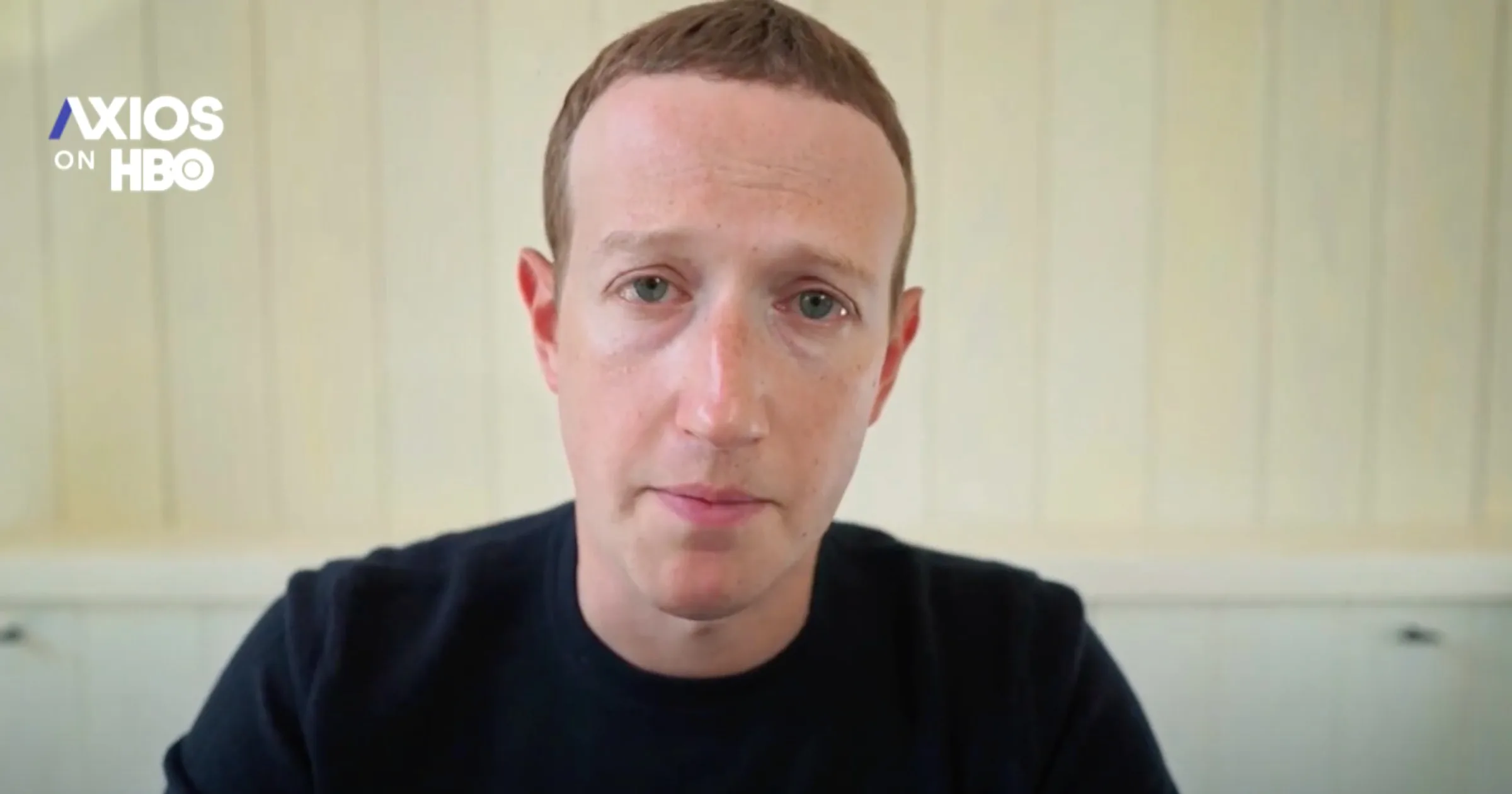
Mark Zuckerberg: Apple's App Store 'Deserves Scrutiny'
Apple’s App Store “deserves scrutiny,” Facebook CEO Mark Zuckerberg said in a new interview with ‘Axios on HBO’.

Maxed out Macs, Apple v Epic Updates – TMO Daily Observations 2020-09-09
John Martellaro and Andrew Orr join host Kelly Guimont to discuss a maxed out Mac mini, and the latest in Apple v Epic Games.
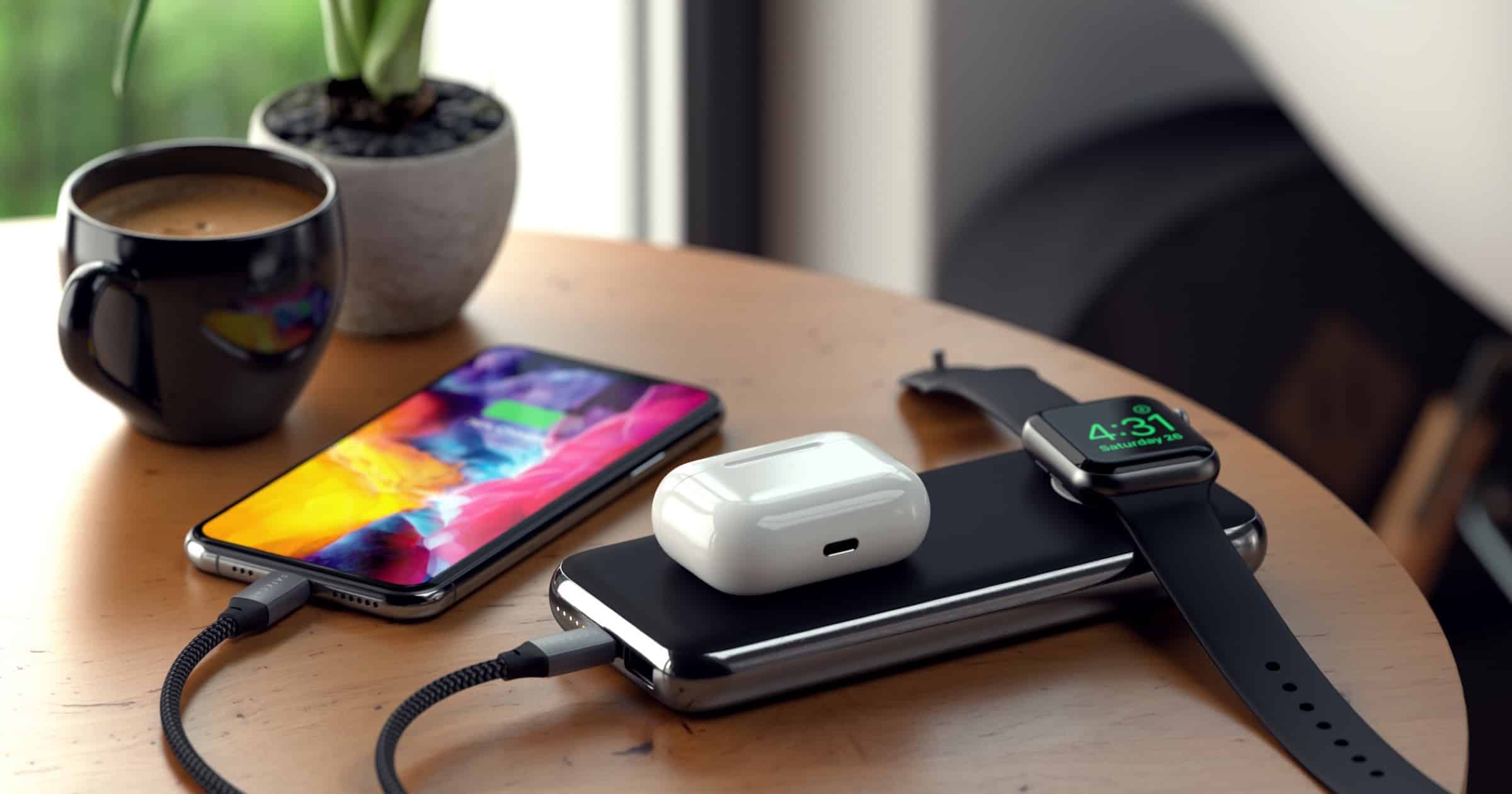
Satechi Releases New Quatro Wireless Power Bank for $99
Satechi released its new 10,000 mAh Quatro wireless power bank on Wednesday that features a built-in Apple Watch charger, USB-C Power Delivery, and USB-A ports to recharge multiple devices at once. You can preorder it for US$99.99 and they start shipping by mid-October. You can can get US$20 off preorders by using the code QUATRO.

Apple Announces New CryptoKit APIs and Other Updates
Apple shared an update to its developer page to announce updates to CryptoKit, like new APIs and support for PEM and DER formats.

The September 2020 Apple Event AR Easter Egg
Hidden amongst the announcement on the Apple Event website was a little Easter egg – an AR-powered logo and date reveal.