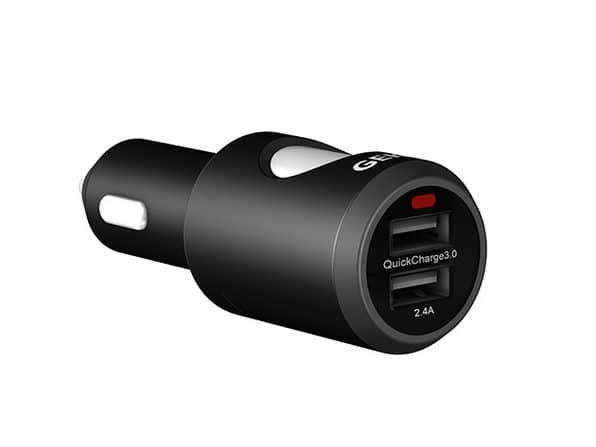
We have a deal on a cool little gadget called the PanicSafe Emergency Locator and Car Charger. It plugs into your auxiliary port (i.e. cigarette lighter) and works as a normal car charger for your devices (including QuickCharge support). But it also can communicate with your iPhone or Android device and send messages to pre-arranged contacts in the case of an accident or if you trigger the panic button. It’s $49.99 through our deal, and there’s no additional subscription fee.
Internet Trolls Have Won. Time to Give Up
The New York Times writes how internet trolls have won, and there’s not much we can do about it.
Case in point: the right-wing conspiracy site Infowars. For years, the site distributed false information that inspired internet trolls to harass people who were close to victims of the Sandy Hook school shooting. This week, after much hemming and hawing about whether to get involved, some giant tech firms banned content from Infowars. (Twitter did not, after determining Infowars had not violated its policies.)
What does that show us? That you as an internet user have little power over content you find offensive or harmful online. It’s the tech companies that hold the cards.
Maybe social networks should have decency laws like broadcasts radio and television do. That will only stop the most vitriolic of trolls, but at least people will be able to visit sites like Twitter without getting a flood of harassing DMs.
Can Cryptography Prevent Surveillance Dystopia?
Writing for Inverse, Matthew Phelan says that a cryptographic ledger could hold the key to prevent surveillance dystopia.
Google Bug Hunter Wants Apple to Donate Unpaid Bug Bounty Money
He says that Apple works to patch iOS bugs, but doesn’t work to fix the underlying issues that contribute to these bugs
Apple: Privacy Hero or Privacy Villain?
Bloomberg recently came out with a piece about Apple, asking if the company is really the privacy hero we think it is. Short answer: yes, but here’s a quote:
When developers get our information, and that of the acquaintances in our contacts list, it’s theirs to use and move around unseen by Apple. It can be sold to data brokers, shared with political campaigns, or posted on the internet. The new rule forbids that, but Apple does nothing to make it technically difficult for developers to harvest the information.
As we discussed on today’s TDO, my problem is that Ms. Frier tries and fails to compare this to the Cambridge-Analytica scandal. App permissions and developers with data access are entirely different to what Facebook and C/A did. Apple could improve the system to be sure, but there’s only so much companies can do before we realize that we need to be more proactive about these issues ourselves, not reactive.
Apple and Privacy Protection, Anki Vector Robot - TMO Daily Observations 2018-08-09
Adam Christianson from the Maccast and Andrew Orr join Jeff Gamet to share their thoughts on whether or not Apple is doing enough to protect our privacy, plus they have some first impressions on Anki’s new Vector robot.
Apple, Verizon Team Up For an Apple Music Offer
Starting Thursday, August 16 both new and existing customers on a Verizon Unlimited plan can take advantage of this offer.
Comcast Security Flaw Exposed Addresses, Social Security Numbers for 26.5M Customers
A design flaw in Comcast’s online payment portal exposed partial home addresses and social security numbers for 26.5 million customers. The flaw displayed the first number and street name for addresses, and the last four digits in social security numbers. Buzzfeed broke the news, and Comcast quickly patched the flaw. Comcast says no one exploited the flaw, and they had it patched within hours of learning about it. Still, the fact that nearly anyone had access to the information is pretty creepy.

Apple: Infowars App Can Stay on App Store
Apple removed the Infowars podcasts from its iTunes listings citing hate speech violations, but is letting the Infowars Official app stay on its iPhone and iPad App Store. Why remove the podcasts, but not the app, since they all offer the same content? Even though the podcasts violate Apple’s guidelines, the app doesn’t. In a statement to Buzzfeed, Apple said,
We strongly support all points of view being represented on the App Store, as long as the apps are respectful to users with differing opinions, and follow our clear guidelines, ensuring the App Store is a safe marketplace for all. We continue to monitor apps for violations of our guidelines and if we find content that violates our guidelines and is harmful to users we will remove those apps from the store as we have done previously.
The problem here is that Apple’s App Store guidelines Alex Jones Infowars App Still on App Store Even After Podcasts Were Blocked, and they’re apparently different than the iTunes Store guidelines for podcasts. It’s confusing for content creators and consumers. Apple is well within its rights to block podcasts and apps for any reason, even if they’re arbitrary. I’d prefer, however, if Apple’s guidelines were clear and consistently enforced.
macOS: Creating Templates in Pages and Word
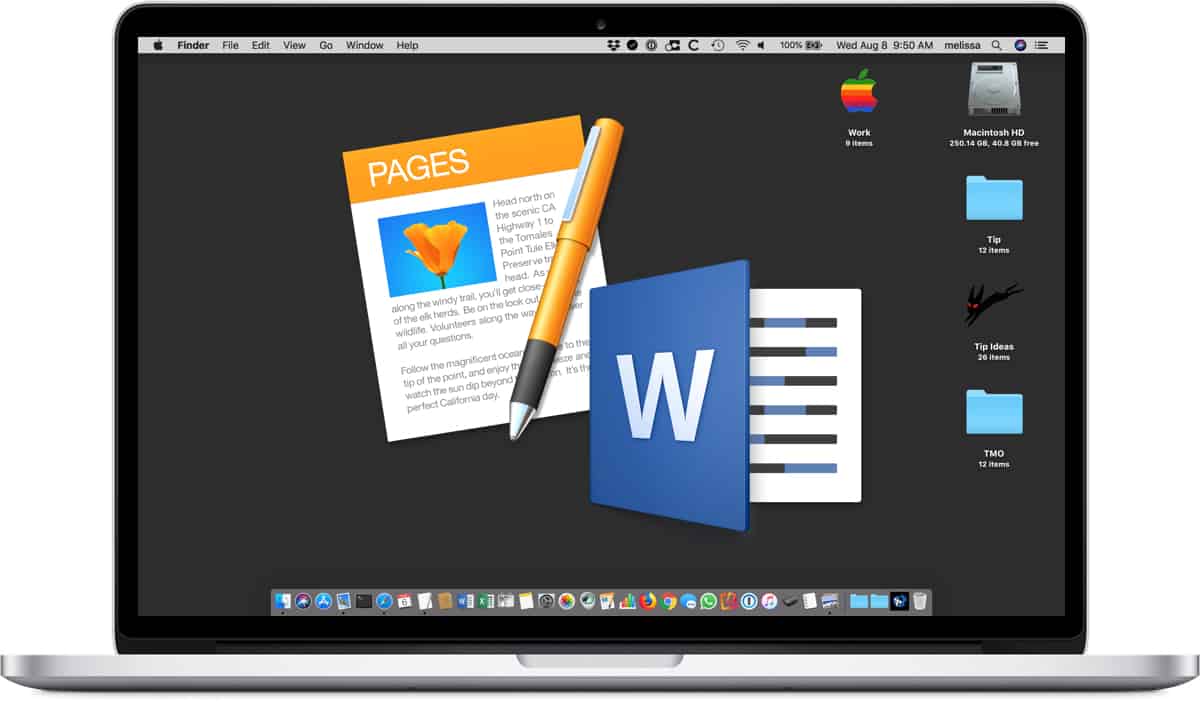
Both Apple’s Pages program and Microsoft Word have a way to create and save a custom template, so if you need a letterhead for your business, for example, you can do that without having to use “Save As” every time (and without the risk of overwriting your original file). Today’s Quick Tip has all of the details!