

Apple threw its fall party today and Wall Street yawned. As the lights dimmed and the sizzle reels rolled, AAPL did what Apple often forces it to do on event day: it slipped. Not because the products were duds -far from it – but because the Street had already placed its bets. After weeks of rumor-fueled anticipation, traders saw a polished keynote that mostly confirmed expectations and they did what fast money does: sold the news.
The new iPhone 17 family looked exactly like the device Apple wanted to ship this year – faster silicon, brighter displays, better cameras, longer battery life – incremental in all the ways that matter to buyers who will upgrade over the next 12 to 24 months. The Pro line leaned hard into creator cred with deeper pro‑video chops and a longer-quality zoom that finally feels competitive in the flagship arms race. That’s terrific for anyone shooting on the go; it’s also expensive hardware to build. If you stare at a gross‑margin model for a living, you start doing the math on costlier optics, beefier displays, bigger batteries, and new thermal designs. Great for users, not always lovely for launch‑quarter margins.
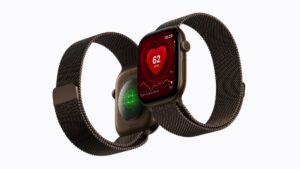
Wearables told a similar story. Apple Watch leveled up its health angle with features that make the product feel less like a gadget and more like a daily companion. Ultra got tougher and more connected; SE moved closer to the mainstream sweet spot. AirPods Pro added heart‑rate sensing and better noise cancelation, the sort of quiet step that makes the ecosystem harder to leave. None of this screams “new category,” and that’s the point. Apple is widening a moat it already owns.
Don’t miss the best of The Mac Observer
Set us as a preferred source and our Apple reporting ranks higher in your Google Search results and Discover feed — one tap, no account changes.
So why did the chart bend south in the middle of the applause lines? Because the keynote delivered confidence, not shock. There wasn’t a “one more thing” that re-rated the company in a single slide. There was price and positioning discipline. The Pro models nudge average selling prices up, which makes revenue managers smile, but it also tests elasticity in a shaky consumer cycle. Carrier promos can bridge that gap – if they show up in force. Until we see the sheets, funds model cautiously.
There’s also the AI narrative, unavoidable whether you love it or not. Apple’s story is on‑device, private, and paced. It’s compelling, but it isn’t the kind of fireworks that goose multiples in an afternoon. The features roll out over time, sometimes in beta, sometimes region‑limited. Investors chasing headline AI growth want a sugar rush; Apple, as usual, offers a well‑balanced meal.
Add in the guidance vacuum—keynotes aren’t earnings calls—and you have a perfect recipe for intraday drift. The stock had run into the show, expectations were taut, and a lot of portfolio managers were happy to lighten up the second it became clear there’d be no surprise hardware category or moon‑shot services announcement. Same playbook, different year.
That doesn’t mean the event was inconsequential for the business. The camera system across the lineup, capped by the Pro’s new telephoto reach and pro video pipeline, meaningfully resets the device for creators. Battery life and thermals look like real‑world improvements instead of slide‑deck promises. On the wrist, health features keep Apple several steps ahead of the pack. And transforming AirPods into a low‑key health sensor is the kind of slow‑burn strategy that pays dividends across the ecosystem.
But none of that settles the near‑term tape. Over the next ten days, the market won’t trade the keynote; it will trade the tea leaves. Do preorder windows for Pro Max slip into late October or November within hours? Do pickup slots evaporate in major cities? Do early reviews lean into endurance and heat—or nitpick camera consistency in low light? Does the watch Ultra’s satellite trick sell beyond the adventure crowd? If the answers tilt bullish, today’s sellers will have to buy higher; if they don’t, the path of least resistance is more of this sideways‑to‑soft action into earnings.
The truth is that Apple events are consumer theater and investor Rorschach tests. What shoppers saw today was a lineup that’s cleaner, faster, longer‑lasting, and more capable in the moments that matter—photos, video, health, and battery. What the Street saw was a company executing with machine‑like precision while making careful trade‑offs on price and cost. No fireworks, no crisis—just Apple being Apple.
So yes, the stock dipped while the cheers were still echoing. It wasn’t a verdict; it was a vibe. The keynote gave consumers reasons to upgrade. The market wants proof. Preorders start Friday. The real story starts then.


Discussion