

Choosing a smart speaker involves key factors. Consider portability, sound quality, and ecosystem compatibility. The HomePod mini and the Sonos Era 100 offer distinct advantages. Apple’s speaker acts as a HomeKit smart home gateway. Conversely, the Sonos Era 100 prioritizes strong audio performance and flexible connectivity. This detailed comparison identifies major differences. It helps you choose the best device for your needs.
Table of contents
Design and Build


The HomePod mini uses a small, spherical shape. Seamless mesh fabric covers the device. Furthermore, it stands only 3.3 inches tall. It is incredibly discreet. Users easily tuck it away on a desk or shelf. It is comparable to entry-level competitors like the Nest Mini. A backlit, circular touch surface handles controls. You can also interact with Siri there. Apple offers it in white, space gray, blue, orange, and yellow colors.
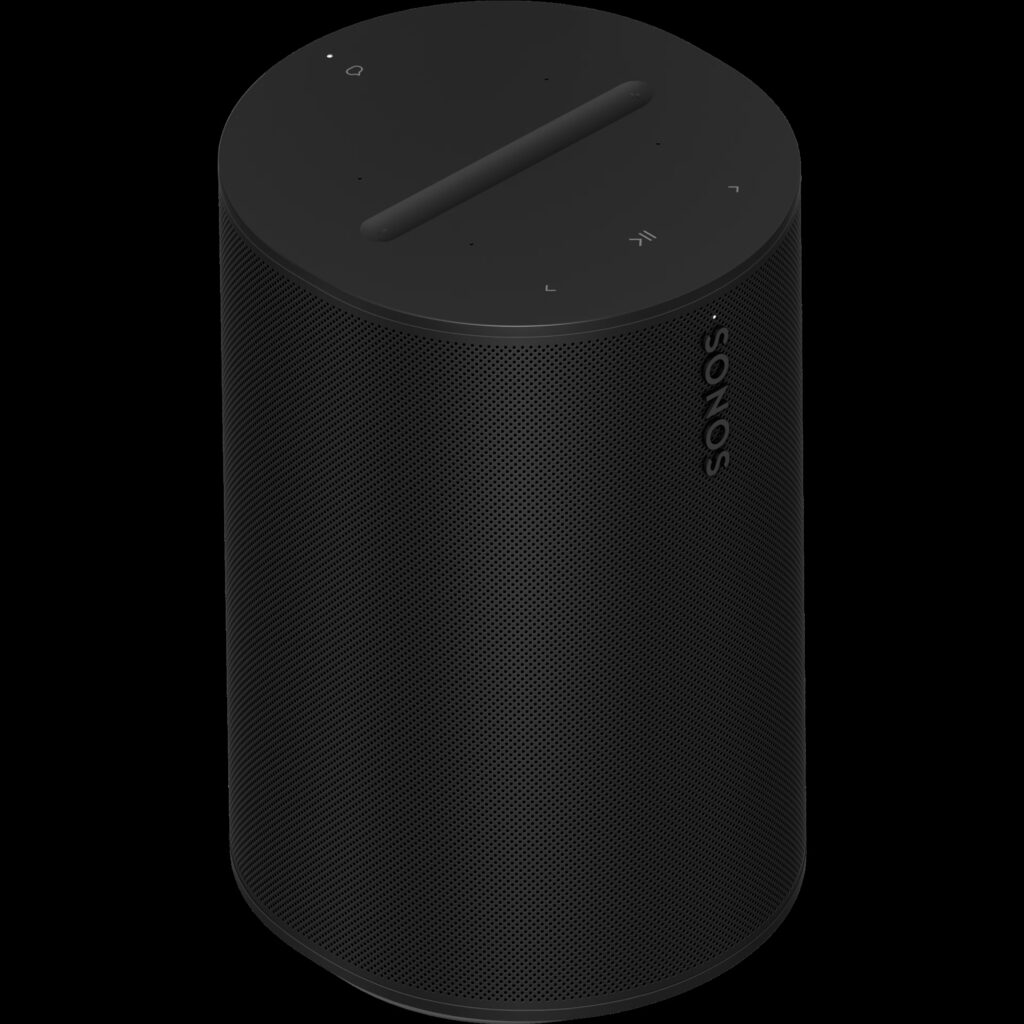
Conversely, the Sonos Era 100 is a much larger unit. It is a heavier cylinder. It measures over seven inches tall. It also weighs more than four pounds. This size increase accommodates better acoustic components. Moreover, the design looks cleaner and more traditional. It features a physical mic switch on the rear. This guarantees privacy. A capacitive volume slider sits on the top surface. Ultimately, this offers a premium, robust feel. It suggests permanence on any stand or tabletop.
Don’t miss the best of The Mac Observer
Set us as a preferred source and our Apple reporting ranks higher in your Google Search results and Discover feed — one tap, no account changes.
Sound and Performance
The HomePod mini delivers surprisingly big sound. The compact footprint makes this notable. An Apple S5 chip and computational audio drive the sound. It utilizes a full-range driver. Dual passive radiators cancel force. This pushes rich 360-degree audio through a room. The sound quality remains crisp and clear. Generally, its acoustic capabilities focus on background music. They achieve intelligent room filling, not hi-fidelity listening.
Sonos engineered the Era 100 as a true stereo replacement. This upgrades the previous Sonos One speaker. It boasts dual angled tweeters and a larger mid-woofer. Three Class D digital amplifiers power the drivers. This provides stronger bass and detailed stereo separation. Users further optimize the audio. They use the Trueplay tuning feature via the Sonos app. Therefore, the Era 100’s architecture offers a distinct advantage. This holds true for those prioritizing deep bass and powerful sound. Note that neither speaker competes with devices like the HomePod 2 paired with a dedicated soundbar.
Smart Features
Apple’s core strength is ecosystem integration. The HomePod mini acts as a primary HomeKit hub. It offers full support for Thread and Matter standards. Furthermore, it includes temperature and humidity sensors. Siri is the smart assistant. Siri handles personal requests well. It also interacts smoothly with other Apple devices. However, its versatility outside the Apple ecosystem is limited. Users must follow the specific HomePod mini quick setup and connection guide. This ensures flawless operation.
The Sonos Era 100 offers much greater voice control flexibility. It supports Amazon Alexa and Sonos Voice Control. Conversely, it is not a dedicated smart home hub. However, it integrates seamlessly with many music services. It works across both iOS and Android devices. A dedicated mic-off switch enhances its appeal. This design targets users prioritizing platform flexibility. They also value physical privacy control over strict smart home integration.
Connectivity and Compatibility
The HomePod mini heavily relies on the Wi-Fi network. It uses Apple’s proprietary AirPlay 2 protocol for streaming. It includes Bluetooth 5.0. However, Bluetooth is for setup and proximity features like Handoff. It is not for general audio streaming. This lacks universal Bluetooth audio. Furthermore, it offers no wired input. This limits its use to devices within the Apple ecosystem.
Ultimately, Sonos designed the Era 100 for versatility. It supports AirPlay 2 for all Apple users. Crucially, it includes full Bluetooth audio streaming. It also features Wi-Fi 6 connectivity. Furthermore, a USB-C port allows wired connectivity. This requires separate dongles for a 3.5mm line-in or Ethernet. Therefore, it provides far more options. You can connect non-smart audio sources like a turntable or CD player.
Price and Value

The price difference remains substantial. Generally, the HomePod mini costs $99. The Sonos Era 100 is priced around $249. This price disparity creates distinct entry points. The HomePod mini is superior for casual listeners. It is an inexpensive smart home hub with Apple integration.
The Era 100’s higher cost is easily justified. It offers a more robust speaker architecture. It also provides a wider soundstage. Furthermore, connectivity options are superior. These include Bluetooth and the USB-C port for line-in audio. Ultimately, the Era 100’s value lies in audio quality. Its platform versatility makes it the better investment. This targets serious music enthusiasts.
HomePod mini vs Sono Era 100: Quick Comparison Table
| Feature | Apple HomePod mini | Sonos Era 100 |
| Price | $99 | $249 |
| Weight | 0.76 lbs | 4.4 lbs |
| Audio | Full-range driver, 360° audio | Dual Tweeters, Mid-Woofer, Stereo separation |
| Voice Assistants | Siri | Alexa, Sonos Voice Control |
| Audio Streaming | AirPlay 2 (Wi-Fi only) | AirPlay 2, Bluetooth, Wi-Fi |
| Smart Home Hub | Yes (HomeKit, Thread, Matter) | No (Relies on third party integration) |
| Wired Input | No | Yes (USB-C via adapter) |
FAQ
No, you can only create a stereo pair using two identical speakers, such as two HomePod minis or two Sonos Era 100s.
Yes, the Sonos Era 100 supports Apple Music streaming directly through the Sonos app and via AirPlay 2 from an Apple device.
No, the HomePod mini does not support Dolby Atmos or Spatial Audio. Only the larger, second-generation HomePod supports those formats.
Determining the Best Compact Smart Speaker
The choice depends on your primary use case and ecosystem. The HomePod mini is unmatched value for iPhone users. It is the best $99 smart home hub with decent sound. Conversely, the Sonos Era 100 is the clear, pricier winner. It prioritizes rich, flexible audio. It offers platform neutrality across Android and iOS. This makes it ideal for a home theater setup. Both speakers are excellent. They simply serve different audiences and budgets. Ultimately, both offer unique entry points, as seen in reviews of the HomePod 2’s capabilities.


Discussion