

Apple’s AirPods Pro 3 and Bose’s QuietComfort Ultra earbuds both aim to deliver a premium listening experience. While Apple leans into ecosystem perks and smart features, Bose focuses on industry-leading noise cancellation and audio depth.
If you need an useful overview of their features, which will help you pick between the two, this detailed comparison will guide you through the main differences.
Table of contents
What Makes AirPods Pro 3 and QuietComfort Ultra Different?
Design and Comfort
Apple has refined its design with the AirPods Pro 3, offering a slimmer stem and an extra ear tip option to address fit concerns. According to early impressions, this adjustment helps the earbuds sit more securely, something Apple also emphasized when they solved the AirPods Pro 3 fit problem.
Don’t miss the best of The Mac Observer
Set us as a preferred source and our Apple reporting ranks higher in your Google Search results and Discover feed — one tap, no account changes.
Bose takes a slightly different approach with the QuietComfort Ultra. These earbuds are bulkier than AirPods but come with plush foam tips that create a strong seal. They may not feel as light, but they’re designed for long listening sessions without fatigue.
Sound Quality
The AirPods Pro 3 shine with spatial audio and adaptive EQ, creating a more immersive experience for movies and Apple Music tracks. Apple also added health-focused features like the ability to track your heart rate directly from your ears, something Bose doesn’t currently offer.
On the other hand, Bose has long been known for warm, bass-rich sound. The QuietComfort Ultra emphasizes fullness and depth, especially in the low end, making them appealing for listeners who want a more powerful soundstage. If you prefer the balanced tuning that Apple has been working on, you may also want to compare how the AirPods perform against other competitors, such as in the AirPods Pro 3 vs Sony WF-1000XM5 review.
Noise Cancellation and Transparency
Noise cancellation is where both models excel. The AirPods Pro 3 use Apple’s H2 chip to adapt to your surroundings, producing stronger ANC than previous generations. Transparency mode is another highlight, delivering a natural sound that allows conversations without removing the earbuds. If you’re still new to the lineup, the complete beginner’s guide to AirPods Pro can help you understand how Apple balances ANC and transparency.
Bose, however, remains the go-to name in ANC. The QuietComfort Ultra can cancel more environmental noise, especially low-frequency sounds like airplane engines or traffic. For frequent travelers, this could be the deciding factor.
Battery Life
Battery life remains one of the key differences. The AirPods Pro 3 manage around six hours with ANC enabled, a slight improvement over the previous version. Apple has steadily closed the gap compared to other premium earbuds, but if you’re interested in raw endurance, you can see how the AirPods 3 reach up to 10 hours on a single charge.
Bose’s QuietComfort Ultra, meanwhile, lasts about 6 hours with ANC on, depending on usage, with the charging case adding extra cycles. In practice, the differences aren’t massive, but Bose tends to provide a more consistent runtime at higher volumes.
Price and Value
Apple priced the AirPods Pro 3 at $249, keeping them aligned with the premium segment. You can check the official breakdown of AirPods Pro 3 pricing and release date, and even explore the best deals and early offers available right now.
Bose positions the QuietComfort Ultra slightly higher, depending on region and bundles. While both sit in the same luxury bracket, Apple tends to hold its price longer, while Bose models see discounts more quickly.
Comparison Table
| Feature | AirPods Pro 3 | Bose QuietComfort Ultra |
|---|---|---|
| Design & Comfort | Lightweight stem, extra ear tips | Bulkier, foam tips for secure fit |
| Sound Quality | Spatial audio, adaptive EQ, health tracking | Warm, bass-rich, customizable EQ |
| Noise Cancellation | Adaptive ANC with H2 chip | Industry-leading ANC performance |
| Transparency Mode | Very natural and clear | Good, but less seamless |
| Battery Life (ANC on) | ~6 hours, 30 with case | ~6 hours, ~24 with case |
| Launch Price | $249 | ~$299 (varies by retailer) |
Final Verdict: AirPods Pro 3 or Bose QuietComfort Ultra?
If you’re already part of the Apple ecosystem, the AirPods Pro 3 make the most sense. They integrate seamlessly with iPhones, bring exclusive features like spatial audio, and even introduce health tracking. They’re also an upgrade worth considering if you’re comparing them directly to older models, as shown in the AirPods Pro 3 vs Pro 2 analysis.
However, if your top priority is unbeatable noise cancellation paired with a powerful, bass-heavy sound profile, the Bose QuietComfort Ultra earbuds edge ahead. They remain a top choice for frequent travelers and listeners who demand immersive audio.
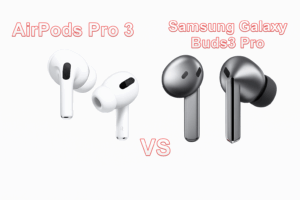
For those still deciding, it’s also worth looking at how the AirPods Pro 3 stack up against other challengers like the Galaxy Buds3 Pro to see where Apple’s earbuds stand in the wider market.
FAQ
Reviews say Bose QuietComfort Ultra tends to outperform many in canceling low-frequency and environmental noise. AirPods Pro 3 step up ANC vs earlier models, but matching Bose in the loudest settings remains a challenge.
QuietComfort Ultra usually gives about 6 hours with ANC on, with more time when the case is included. AirPods Pro 3 aim for a similar 6-8 hours with ANC, depending on volume, with the case adding extra listening time.
Yes, AirPods Pro 3 come with extras like a built-in heart rate sensor and improved fit with more eartip options. Bose focuses more on sound, ANC, and comfort rather than health sensors so far.
For those using Apple devices, AirPods Pro 3 offer tighter integration, features like spatial audio, and ecosystem benefits. But if your priority is best-in-class ANC or sound richness regardless of platform, Bose might deliver more value per feature.


Discussion