
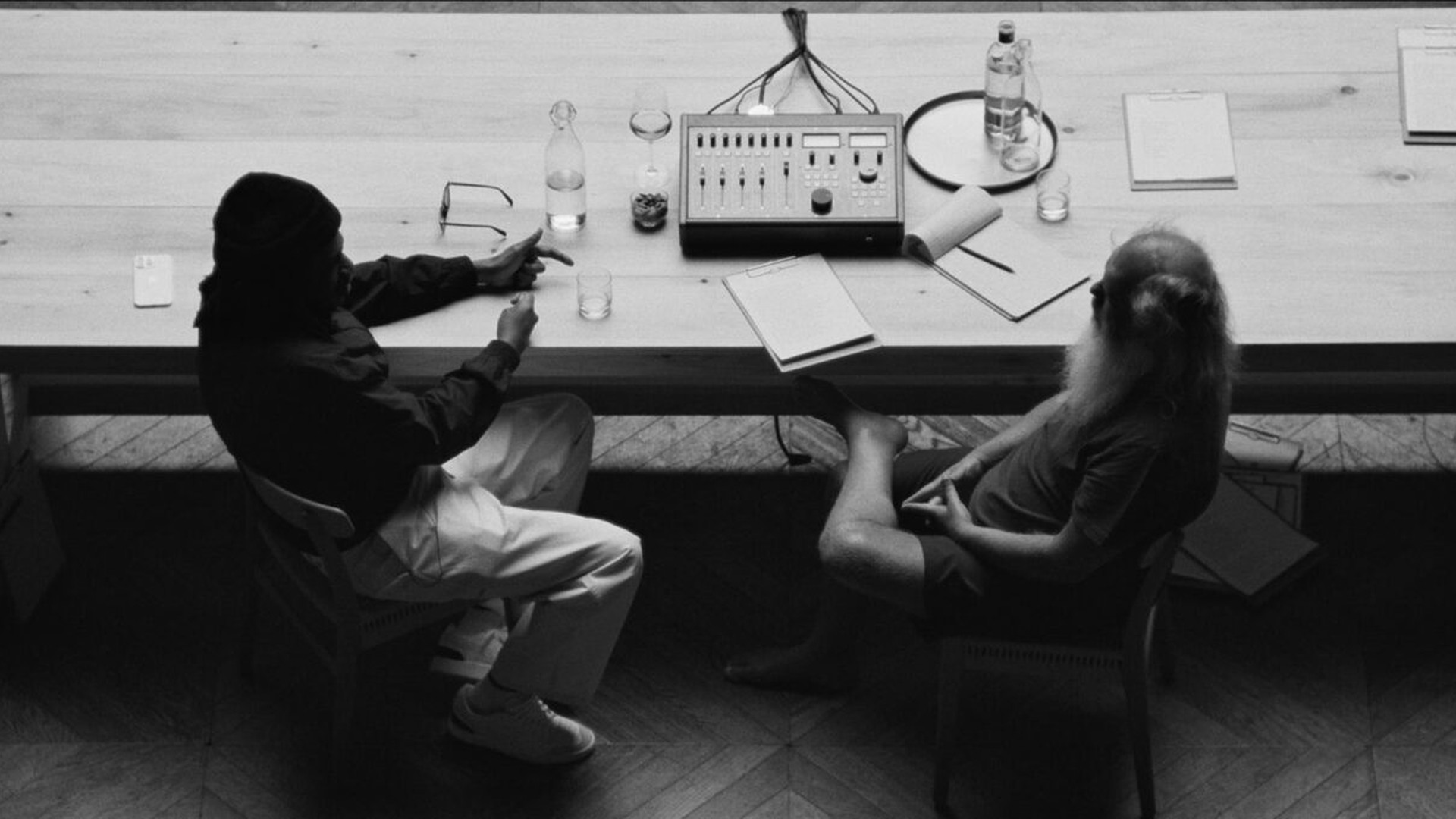
Jay-Z says his writing began at nine, inside a home where his mother’s record collection made music feel essential rather than decorative. Episode 1 of JAŸ-Z In 8 connects that childhood environment to the discipline behind his later lyrics, showing that the voice arrived long before a music career looked realistic.
Rick Rubin structures the conversation around records instead of a conventional cradle-to-fame timeline. A song starts, Jay-Z follows the memory it unlocks, and the story moves between family, the Marcy Houses and his first understanding of rap as both art and work. The loose format makes creative decisions, not awards, the episode’s main evidence.
- Release date: September 18, 2026
- Episode: Episode 1 of 8
- Title: Episode 1
- Genre: Music documentary
- Streaming on: HBO Max in the US
His mother’s records create the first classroom
The conversation begins with The Dynasty intro, which Jay-Z identifies as his favorite opening track. His choice establishes what he values in an introduction: authority, compressed biography and a sense that the speaker is entering with a complete world already behind him.
Don’t miss the best of The Mac Observer
Set us as a preferred source and our Apple reporting ranks higher in your Google Search results and Discover feed — one tap, no account changes.
From there, he goes back to Gloria Carter’s records. He remembers the collection as one of the most valuable things in the family home and describes music as part of the house’s social life. The first rap record that caught him was “King Tim III (Personality Jock),” heard before rap had become an obvious industry path.
Writing starts before the career plan
Jay-Z began rapping and writing at nine, but the episode refuses to turn that fact into a tidy child-prodigy story. Street life later competed with the work, and pursuing music did not automatically look more impressive or secure than the world immediately around him.
Jaz-O changed that calculation. Seeing an artist from his own community receive a large record deal made the business tangible. The lesson was not simply that fame was possible. It was that words, performance and ownership could create a different economic route from the one he already understood.
Jaz-O makes rap look like a business
The episode also reveals how cautiously he imagined his future. He once expected to make Reasonable Doubt, leave performance behind and become a businessman. His discomfort with interviews, videos and public exposure sits beside a clear confidence in the writing itself, making the eventual career feel less inevitable. The ambition was real, but the public role attached to it still felt unnatural.
Episode 1 works because it treats the early process as an accumulation of conditions: a house full of records, a child writing before there was an audience, and a local example that made the industry real. Which early memory best explains the artist Jay-Z became? Share your answer in the comments.




Discussion