
Spoiler warning: This article discusses the endings of The Scandal and Dangerous Liaisons.
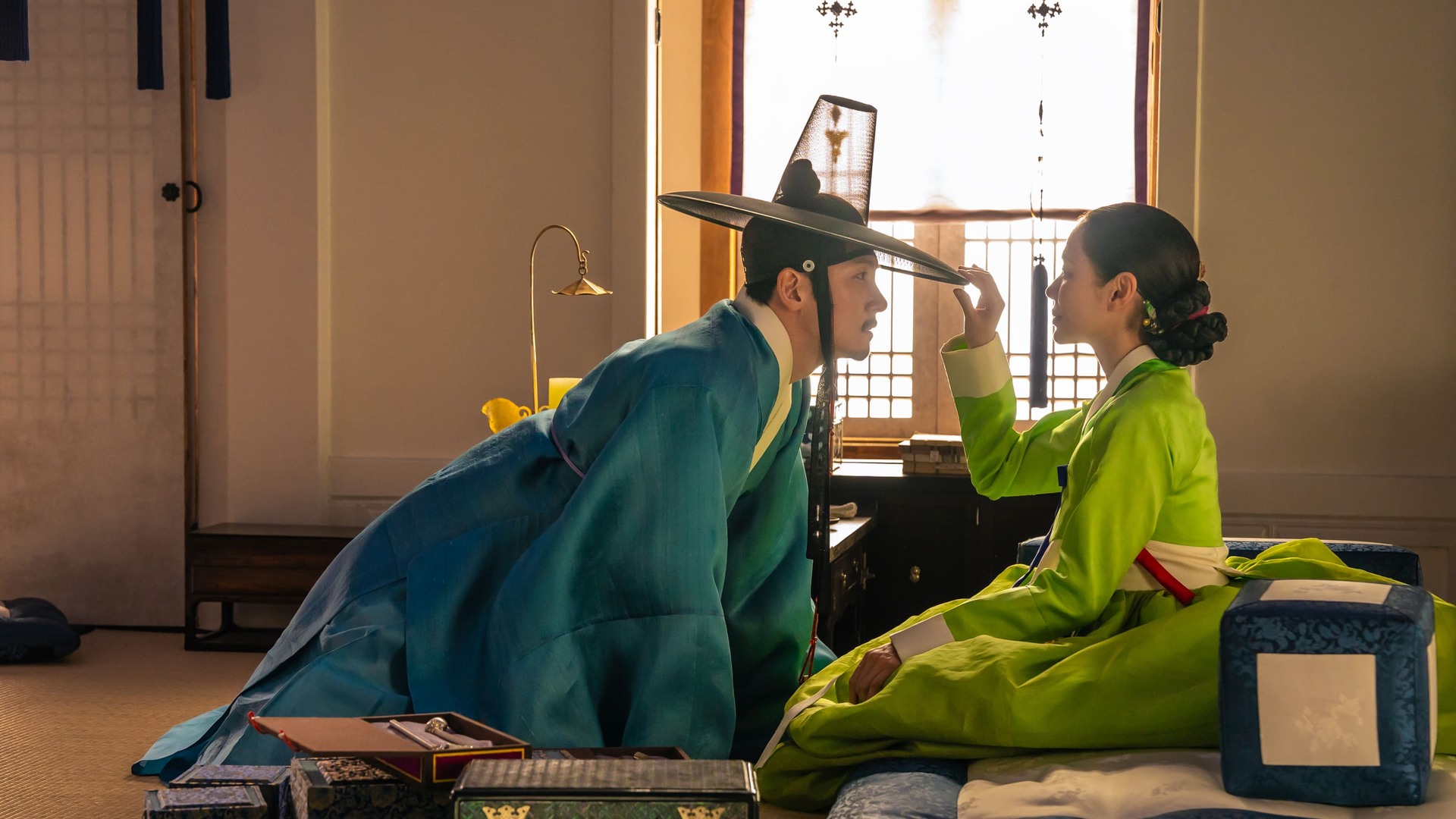
Netflix’s The Scandal keeps the central wager from Dangerous Liaisons but changes the social machinery around it. Eighteenth-century French aristocrats become members of Joseon’s elite, public chastity replaces salon reputation as the sharpest weapon, and the television ending gives Hui-yeon a life the novel denies her counterpart.
The series is also part of an existing Korean adaptation history. It follows the Joseon setting used by the 2003 film Untold Scandal, then expands the material across eight episodes. That length gives households, servants, royal authority and hidden religious life more room to shape the three-person game.
Don’t miss the best of The Mac Observer
Set us as a preferred source and our Apple reporting ranks higher in your Google Search results and Discover feed — one tap, no account changes.
- Release date: September 18, 2026
- Episode: Eight episodes
- Title: The Scandal
- Genre: Historical romantic drama
- Streaming on: Netflix
The wager moves from France to Joseon
The Marquise de Merteuil becomes Lady Cho, and the Vicomte de Valmont becomes Cho Won. Both versions center on sophisticated conspirators who treat seduction as competition, but Lady Cho’s frustration is tied directly to the restrictions placed on a gifted woman inside a Confucian order. Her indirect power is both privilege and prison.
Madame de Tourvel becomes Hui-yeon, a widowed noblewoman whose virtue has political value to the people around her. The proposed memorial gate makes reputation physical and official. Once society believes Hui-yeon died honorably, revealing that she lives would threaten more than gossip. It would expose a state-approved lie.
Letters become lived scenes and public records
The French novel is told through letters, allowing readers to assemble motives from documents written by unreliable players. The series turns that correspondence into scenes, performance and a story that circulates inside its own world. Letters still matter, especially in Lady Cho’s final isolation, but viewers watch the deception rather than reconstructing all of it from an epistolary archive.
Royal authority also changes the mechanism of exposure. The King tests the false account of Hui-yeon’s death against weather records and banishes Cho Won. That investigation belongs specifically to this Joseon version, where a personal scheme becomes dangerous because it has entered the machinery of court honor.
Netflix rewrites all three final fates
The endings are the largest departure. Valmont dies after a duel in the novel, Tourvel dies after learning of his betrayal, and Merteuil is publicly ruined after their correspondence exposes her. Netflix leaves Cho Won’s fate uncertain after a river jump, lets Hui-yeon survive in hiding and allows Lady Cho to keep her formal position.
Those changes shift punishment from public certainty to private consequence. Hui-yeon chooses life, Cho Won becomes an absence and Lady Cho must live without knowing whether her letters can reach him. Does the open Joseon ending make the wager more tragic than the novel’s firmer reckoning? Share your view in the comments.




Discussion