
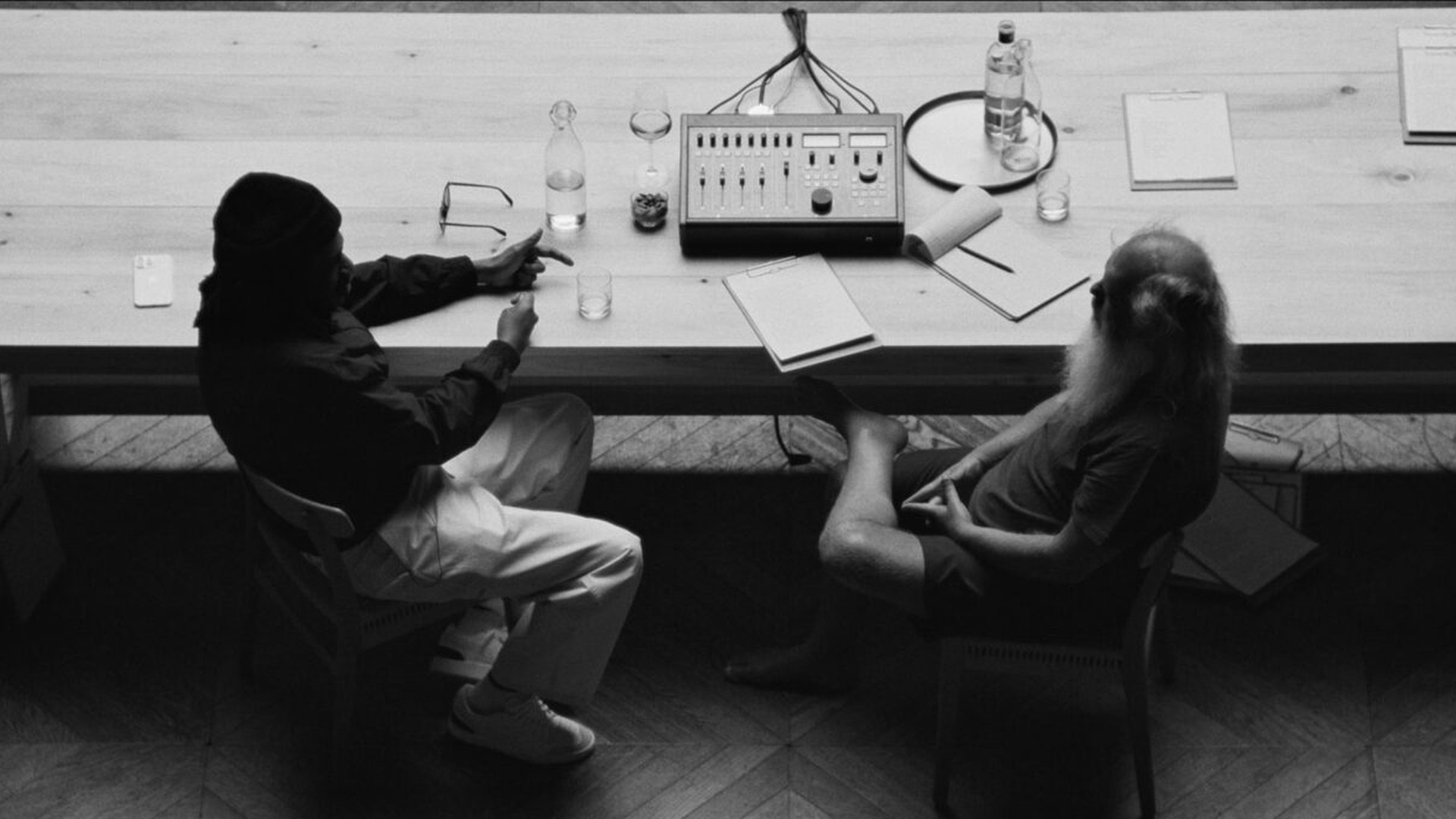
Episode 2 of JAŸ-Z In 8 shows that the stories behind Jay-Z’s lyrics are often inseparable from decisions made around them. He and Rick Rubin use “What More Can I Say,” “Encore” and “Brooklyn’s Finest” to examine not just what the words mean, but why a verse, single or performance took its final shape.
The hour is strongest when Rubin lets the track do the prompting. Jay-Z can move from technical construction to regret and friendship without the conversation feeling like a checklist. His account of writing is less about waiting for inspiration than creating conditions where a large reserve of ideas can be released at the right moment.
- Release date: September 18, 2026
- Episode: Episode 2 of 8
- Title: Episode 2
- Genre: Music documentary
- Streaming on: HBO Max in the US
The Black Album still carries second thoughts
The episode opens its Black Album discussion with “What More Can I Say.” Looking back, Jay-Z questions why “Encore” was not the first single and why “What More Can I Say” did not close the album. The choices worked commercially, but success does not erase his sense that the sequence could have expressed the project more clearly.
Don’t miss the best of The Mac Observer
Set us as a preferred source and our Apple reporting ranks higher in your Google Search results and Discover feed — one tap, no account changes.
That reflection makes the documentary useful. It separates an artist’s internal measure from a chart result. Jay-Z remembers allowing uncertain reactions around “Encore” to affect the rollout, then choosing “P.S.A.” when he had considered giving radio both tracks. The account becomes a lesson in how doubt can alter even a confident record.
Freeplay turns stored lines into performance
His description of “freeplay” explains another side of the process. A beat would run while people gathered in the studio, and he would empty out rhymes he had been holding. Sometimes the instrumental ended before the words did. The ritual turned memory, preparation and pressure into a live test of material.
The method also clarifies why his verses can sound spontaneous without being careless. The performance happens in the moment, but the language has been collected and refined internally. Rubin’s questions keep pulling the discussion back from mythology to the practical environment in which those choices were made.
Brooklyn’s Finest reveals the editor behind the rapper
The most personal section concerns the Notorious B.I.G. and “Brooklyn’s Finest.” Jay-Z remembers the friendship that grew after the session and explains that he removed a California reference from Biggie’s verse because he did not want the record pulled into the East Coast-West Coast conflict. Editing became an act of judgment beyond rhyme quality.
Episode 2 ultimately presents lyrics as records of relationships, risks and second thoughts. Rubin supplies the archive, while Jay-Z explains the decisions listeners could never hear in the finished master. Which story changed how you understand one of the songs? Tell us in the comments.




Discussion