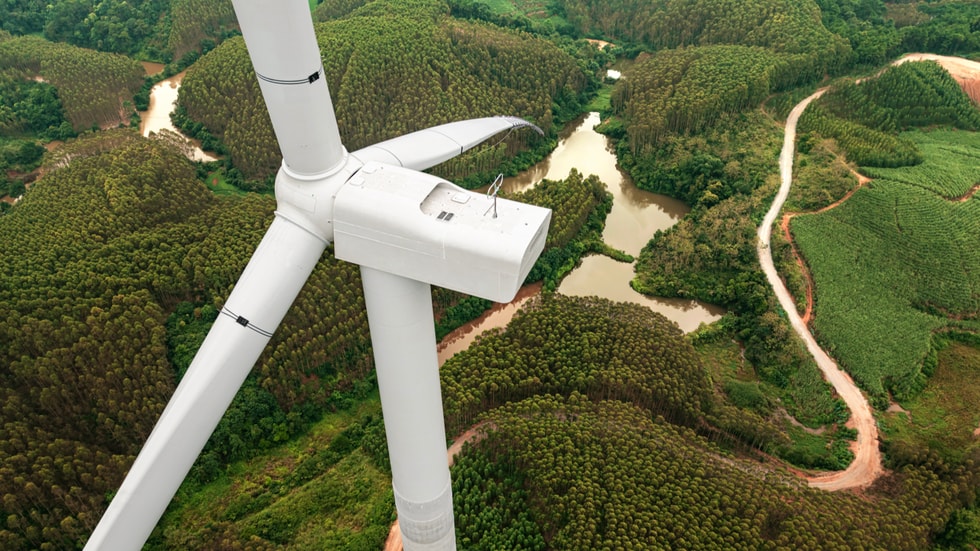
Apple said on October 10, 2026 that total commitments to its second China Clean Energy Fund have grown to $212 million (RMB 1.4 billion), roughly double the $100 million anchor investment Apple made last year. In its China newsroom announcement, Apple said the fund has made its first investments in two wind projects, 260 megawatts in Guangxi and 50 megawatts in Shandong, and both are now under construction.
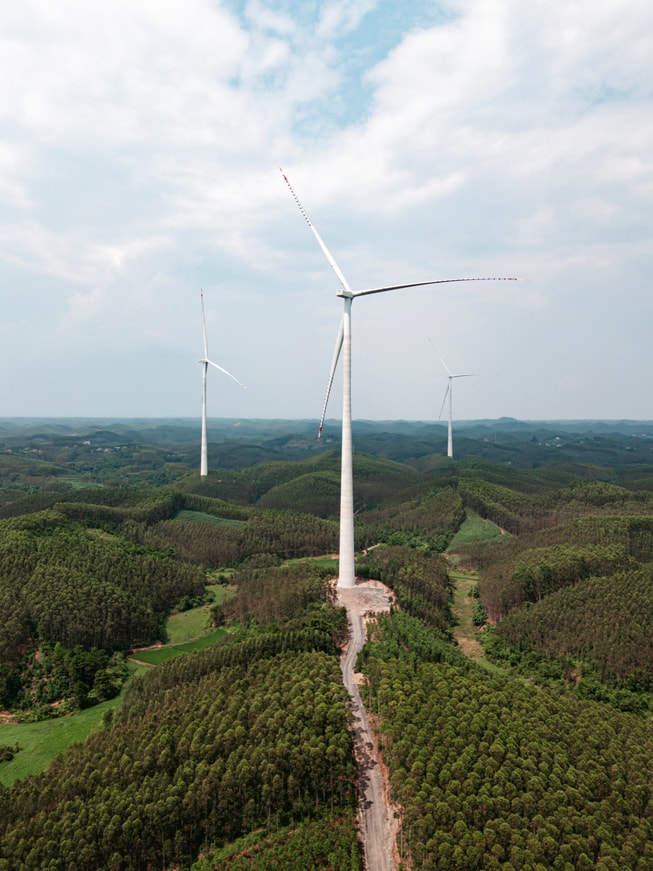
The extra money comes from more investors, including three Apple suppliers: ATL, Avary Holding and Diodes. Apple also announced new grants to two Chinese environmental groups and gave an update on its supply chain goals in the country.
What the fund is and who runs it
Like the first China Clean Energy Fund, the second fund is meant to expand clean energy capacity in China, support the country’s energy transition and move Apple toward its goal of carbon neutrality across its entire footprint by 2030.
Don’t miss the best of The Mac Observer
Set us as a preferred source and our Apple reporting ranks higher in your Google Search results and Discover feed — one tap, no account changes.
The fund is managed by Schroders Capital. Apple said it aims to add 1.1 million megawatt hours of wind and solar generation to China’s grid each year, a figure the company expects to rise as more investment comes in.
Apple said the first fund beat its own target, bringing more than 1 gigawatt of new wind and solar projects online across 14 provinces in China. We covered one round of that earlier fund when it invested in three wind farms.
| Item | Figure from Apple |
|---|---|
| Total commitments | $212 million (RMB 1.4 billion) |
| Apple’s initial anchor investment | $100 million, last year |
| New supplier investors named | ATL, Avary Holding, Diodes |
| Wind project in Guangxi | 260 megawatts, under construction |
| Wind project in Shandong | 50 megawatts, under construction |
| Annual generation goal | 1.1 million megawatt hours of wind and solar |
| Fund manager | Schroders Capital |
More than 95 percent of manufacturing in China on renewables
Apple used the announcement to report progress on its climate targets. More than 95 percent of its direct manufacturing in China now runs on renewable energy, the company said. By the end of 2030, Apple plans for its entire global supply chain to use 100 percent renewable energy.
Apple added that its overall greenhouse gas emissions have fallen by more than 60 percent since 2015, and that working with suppliers in China and around the world on the move to renewable power has been a key driver of that progress.
Apple’s chief operating officer, Sabih Khan, said in the release that Apple’s suppliers in China have been outstanding partners for more than a decade in shifting its supply chain to renewable energy. He said that by widening its clean energy investments and opening new paths to electrification, Apple is glad to build on the progress the two sides have made together.
Electric furnaces for MacBook Air aluminum
Renewable power does not cover every source of emissions in a factory, so Apple is also working with suppliers on industrial heat, one of the harder areas to decarbonize.
Apple said it is working with a Shandong aluminum supplier, named in the Chinese release as 山东创新精密, to electrify the melting of aluminum. That heat-intensive step is needed to cast aluminum into the billets used to make many Apple products.
One of the largest electric induction furnaces of its kind has completed a demonstration run in Shandong province, according to Apple, and the two companies are now working to apply the technology to MacBook Air production at scale. Apple said it is also working with other suppliers to bring the same approach to more product lines.
At several other manufacturing sites in China, Apple and its suppliers are running pilots that install heat pumps, or electric boilers that produce industrial steam, to meet different production needs.
New grants for Chinese environmental groups
Apple also announced two new grants in China:
- China Green Carbon Foundation: funding for sustainable forest management and carbon sinks in urban ecosystems. Over the next three years, the foundation will set up pilot demonstration projects in several regions.
- Beijing Friends of Nature Foundation: support for local environmental advocates to design and carry out community-based climate solutions.
Apple described the grants as part of its long-term support for environmental organizations across China that speed up environmental research, protect natural resources and train the next generation of environmental stewards.
Why the supplier money matters
Apple’s $100 million anchor investment is now a little under half of the fund. The rest comes from other investors, with Apple naming three of its own suppliers among them, so companies that make parts for Apple are putting money into new clean power in China alongside it.
Both parts of the announcement point at Apple’s 2030 targets: carbon neutrality across its entire footprint, and 100 percent renewable energy across its global supply chain. The wind projects add new generation to China’s grid, while the furnace work goes after industrial heat, which Apple describes as one of the harder areas to decarbonize. We have looked before at how Apple’s renewable energy numbers for its own operations and for manufacturing are reported separately.
Apple published the details in its China newsroom announcement of the second clean energy fund, which is published in Chinese.