
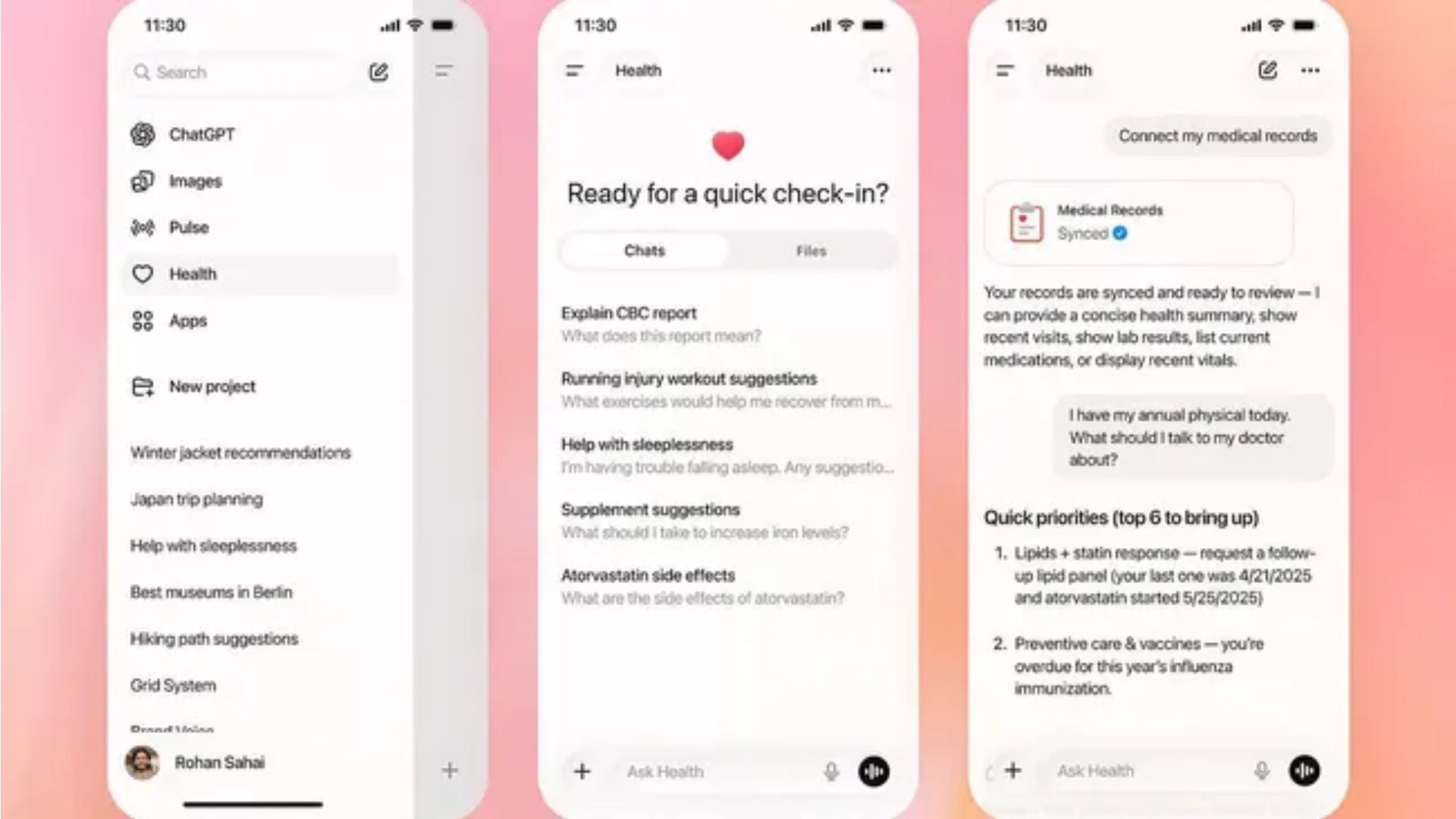
Smartwatches and fitness bands collect thousands of numbers every week, yet most people rarely look past their daily step count. OpenAI wants to fix that gap by bringing its ChatGPT Health feature to Android phones and desktop apps. By linking directly with Google and its Health Connect hub, the popular chatbot can now read your sleep, workout, and activity logs to explain what those stats actually mean in plain English.
How to connect your fitness trackers to ChatGPT
ChatGPT Health first arrived on iOS devices and the web before expanding to desktop and Android. The rollout is happening gradually for eligible users aged 18 and older in the US across Free, Go, Plus, and Pro accounts.
To set it up, update the ChatGPT app on your phone, open the sidebar, and tap Health. From there, select Android Health Connect and choose which data categories you want to share.
Don’t miss the best of The Mac Observer
Set us as a preferred source and our Apple reporting ranks higher in your Google Search results and Discover feed — one tap, no account changes.
Health Connect acts as a middleman between your wearable apps, like Garmin or Oura, and the chatbot. Once synced, you can ask questions in any normal chat or tag @Health to spot patterns, such as whether active days help you sleep longer.
What happens to your personal health data and privacy
Handing over personal body metrics to an artificial intelligence platform requires careful thought. OpenAI states that it does not sell health records collected through this tool, and users keep control over which apps and data types remain connected.
However, OpenAI notes in its privacy policy that health chats can feed into the chatbot’s memory if you leave that setting turned on. Your account data controls also decide whether those conversations help train future models, so checking your privacy settings beforehand is a smart move.
Why you should still take AI fitness advice lightly
Even with access to months of workout logs on your Android phone, the chatbot is not a doctor. Smartwatch sensors can miss details, and an AI assistant can easily mistake two random habits for a direct cause-and-effect link.
OpenAI clearly states that ChatGPT Health is meant to support regular care rather than diagnose or treat medical conditions. Treating its answers as helpful habit tips rather than medical facts will help you get real value from your wearable data without relying on guesswork.




Discussion